
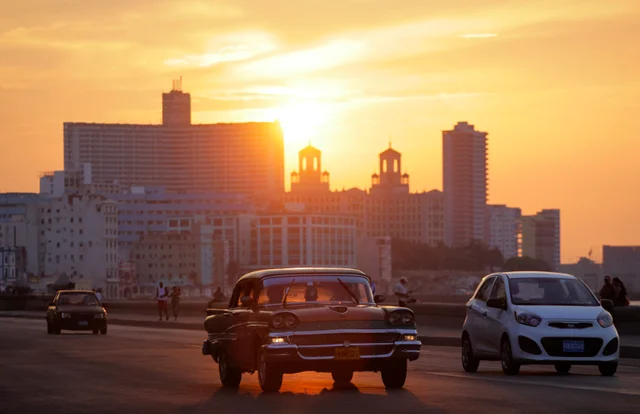
The Ultimate First-Timer’s Guide to Havana, Cuba
Everything you actually need to know before your first trip to this impossible-to-forget city — from navigating the cash-only chaos to finding the best mojitos that aren’t tourist traps.
🇨🇺 Before You Go — Read This First
Havana will catch you off guard. Not dangerously — but in a quiet, accumulating way where by day three you’re thinking “why didn’t anyone tell me about this?” The currency situation. The Wi-Fi situation. The taxi pricing. The fact that the ATM will eat your card and not apologise. This guide covers what actually matters for a first trip — the specific, practical information that determines whether your trip flows or grinds.
Before You Even Book
The Visa Situation
Big change for 2026: Cuba scrapped the paper tourist card in January and switched to a mandatory digital e-visa. Americans face extra hurdles on top of that — you need to select one of 12 authorized OFAC categories (most independent travelers use “Support for the Cuban People”) and keep records for five years. Everyone else: your nationality determines exactly what you need and where to apply. The process is more involved than it used to be, and the consequences of getting it wrong at check-in are not fun.
The Money Reality
Here’s what nobody tells you clearly: US credit and debit cards don’t work. Period. Even non-US cards fail more often than they work. You’re running on cash. Bring euros or Canadian dollars (they get better exchange rates than USD), and budget roughly $50–100/day depending on your style. Yes, really — that much. If you’re trying to do it leaner, it’s doable — but it requires a different approach to accommodation, food, and transport.
When to Actually Go
November–April is peak season — perfect weather, highest prices, biggest crowds. May–June is the sweet spot: still decent weather, fewer tourists, lower prices. September–October is hurricane season and cheapest, but you’re rolling dice with weather. I personally love June — hot but manageable, and the city breathes easier. The right month depends entirely on your priorities.
Travel Insurance
Cuba technically requires proof of medical insurance at entry. They don’t always check, but when they do, you’re stuck buying their overpriced policy at the airport. Get comprehensive travel insurance that covers Cuba before you fly — many US policies don’t. World Nomads and SafetyWing both work. Bring proof in paper form.
⚠️ Critical 2026 Update: The Cash Crisis
Cuba is experiencing severe cash shortages. Even when you exchange money, getting small bills is nearly impossible. Bring a mix of denominations — you’ll need ones and fives for tips, taxis, and small purchases. Also, many places now prefer USD cash over euros despite the official exchange rate favoring euros. Confusing? Yes. Welcome to Cuba.
Getting There & Around
Arriving at José Martí Airport (HAV)
Terminal 3 handles international flights. The moment you clear customs, you’ll be swarmed by taxi drivers. Ignore them all. Walk to the official taxi desk inside the terminal — fixed prices, no haggling, safer. To Old Havana: $25–30 USD. To Vedado: $20–25. Pay in cash (USD or EUR), get a receipt.
💡 Pro Move
Ask your casa particular or hotel to arrange airport pickup. Usually costs the same as the taxi desk, but someone’s actually waiting for you with a sign — huge relief after a long flight.
Getting Around the City
- Classic Car Taxis — The tourist experience. $10–15 for short trips in Old Havana, more for longer distances. Always negotiate before getting in. They’re comfortable, iconic, and you’ll probably do this at least once.
- Modern Taxis (Cubataxi) — Air-conditioned sedans, usually Korean or Chinese cars. Slightly cheaper than classics, more comfortable in summer heat. Same rule: agree on price first.
- Coco Taxis — Those yellow egg-shaped scooters. Cheaper ($5–8 for short hops), open-air, kind of ridiculous. Good for short distances in good weather. Terrible in rain.
- Almendrones (Shared Taxis) — Classic cars running fixed routes like buses. 25 CUP (about $1 USD). You’re squeezed in with 4–5 locals. Hot, crowded, authentic. Only if you’re feeling adventurous and speak some Spanish.
- Viazul Buses — For intercity travel. Comfortable, air-conditioned, reliable. Book online or at the station a day ahead. Havana to Viñales: ~$12, 3 hours.
Where to Stay: Neighborhoods Decoded
Havana’s neighborhoods each have distinct personalities. Where you stay shapes your entire trip. Here’s the real breakdown:
🏛️ Old Havana (Habana Vieja)
Best for: First-timers, history lovers, walkability
The vibe: Cobblestone streets, colonial plazas, constant restoration. You’re in the postcard. Touristy during the day, genuinely magical at night when the day-trippers leave and the streets belong to the locals again.
$$–$$$
Try: Casa particulares near Plaza Vieja or San Francisco
🌊 Vedado
Best for: Longer stays, local experience, budget travelers
The vibe: Residential, leafy, quieter. Home to the Malecón seawall, Universidad de La Habana, and actual Cubans going about daily life. More space for your money.
$–$$
Try: Streets near Calle 23 (La Rampa) for nightlife access
🎭 Centro Habana
Best for: Adventurous travelers, photographers, authenticity seekers
The vibe: Raw, real, crumbling beauty. Not as restored as Old Havana, not as polished as Vedado. This is where Havana lives, breathes, and struggles. Incredible for street photography.
$
Note: Can feel sketchy at night; stick to well-lit main streets
🏠 Casa Particular vs. Hotel
Casa particular (private homestay) is almost always the better choice. You’re supporting Cuban families directly, getting real insider tips, and usually paying $30–50/night for a clean private room with bathroom and breakfast included. Hotels cost 3–4× more and your money goes to the state. Book casas through Airbnb or CubaCasaParticular.com. Look for the blue pineapple sign on the door — that’s the official marker.
There’s a lot more to know about the casa system than most guides let on — how to vet a host, what’s actually included, how to handle tipping, and when a hotel is actually the smarter call.
Eating & Drinking: Beyond the Tourist Traps
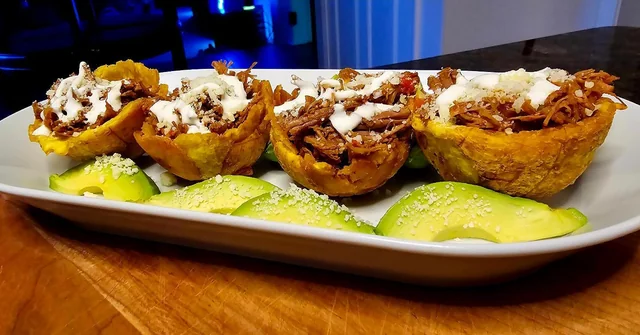
The Paladar Revolution
Paladares are privately-owned restaurants — and they’re where you’ll eat your best meals in Cuba. Since the government allowed private enterprise, these family-run spots have exploded in quality. Hotel restaurants can’t compete. Cuban food has a reputation problem it only partially deserves — eat at the right places and that reputation falls apart quickly.
Must-Try Paladares (2026 Current):
- La Guarida — The most famous, for good reason. Fourth floor of a crumbling mansion, incredible ropa vieja, live jazz some nights. Reservations essential. $$$
- San Cristóbal Paladar — Obama ate here (there’s a photo wall). Traditional Cuban with modern touches. The grilled lobster when available is unreal. $$–$$$
- Doña Eutimia — Tiny spot in Old Havana, no-frills, possibly the best ropa vieja in the city. Cash only, often a wait. Worth every minute. $
- El Cocinero — Rooftop restaurant in Vedado, young crowd, creative menu, great cocktails. More expensive but worth it for the scene. $$–$$$
- La Fontana — Seafood-focused, near the coast in Miramar. Fresh catch, generous portions, locals and tourists mix here. $$
⚠️ The Reservation Game
Popular paladares require reservations, sometimes days ahead. Your casa host can usually call for you — use this service. Walking in without a reservation at peak times (7–9pm) often means waiting an hour or being turned away.
Street Food & Quick Bites
Not every meal needs to be a production. Street food in Cuba is cheap, safe if you watch it being made, and frequently delicious:
Pizza at 23 y N
Corner of Calle 23 and N in Vedado. Open-air, always packed, pizza by the slice for pennies. Local institution. Cash only, no frills, excellent people-watching.
$El Chanchullero
Tapas bar in Old Havana with a pirate theme. Great for small plates, mojitos, and meeting other travelers. Lively, loud, fun. Go before 8pm to get a seat.
$$Drinks: The Good, The Bad, The Overpriced
- La Bodeguita del Medio — Hemingway’s “favorite” mojito bar. Tourist trap, overpriced, always packed. Go once at 9am to beat the crowds, take your photo, leave.
- El Floridita — Hemingway’s daiquiri spot. Same deal as Bodeguita but slightly more dignified. The frozen daiquiris are actually excellent, just $12 each.
- La Factoría Plaza — Rooftop bar in Old Havana, craft cocktails, views over the city, actual mixologists. Pricey but worth it for sunset.
- Fábrica de Arte Cubano (FAC) — Not just a bar — it’s an experience. Art gallery, concert venue, dance club, and bar all in one building. Cover charge (~$10), open late, incredible atmosphere. Goes until 4–5am.
🍺 Local Beer Hack
Cristal and Bucanero are the local lagers. Both are solid, crisp, and cost $1–2 at local bars vs. $5–8 at tourist spots. Ask for a “cerveza nacional” — you’ll blend in more and save money.
Must-See Sights (Beyond the Checklist)
💡 Before You Spend a Peso
Plenty of Havana’s best experiences cost nothing at all — and I don’t mean that in a vague, spiritual way. There are genuinely 20+ specific things to do here without opening your wallet. Worth knowing before you start paying tourist admission at every door.
🏛️ The Big Four Plazas
Old Havana has four main plazas, each with a distinct personality:
- Plaza de la Catedral — The postcard shot. Baroque cathedral, cobblestones, artists selling paintings. Go early (before 10am) or late (after 5pm) to avoid tour groups.
- Plaza Vieja — Lively, colorful buildings, rooftop bars, camera obscura. Best for sunset drinks.
- Plaza de Armas — Book market, fortress vibes, quieter. Good for morning coffee.
- Plaza de San Francisco — Near the cruise port, basilica, fountain. Least touristy of the four.
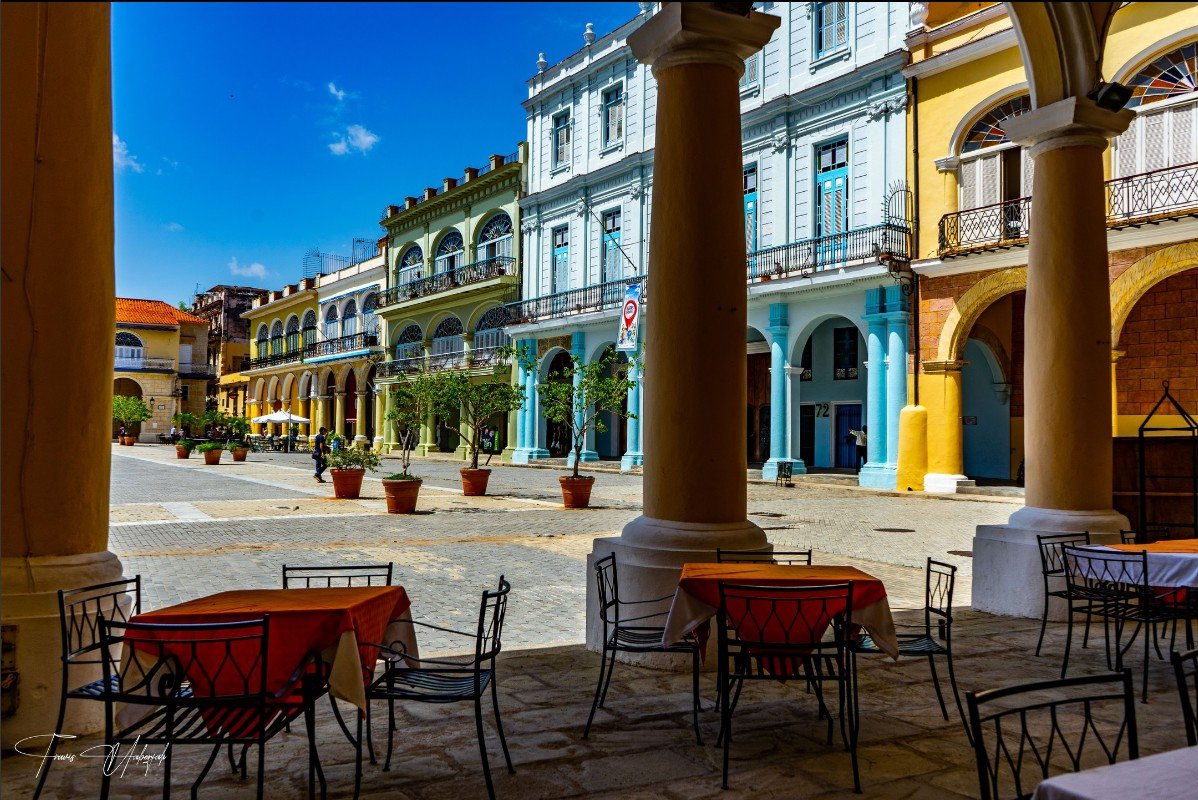
🌊 The Malecón
This 8-kilometer seawall isn’t just a sight — it’s Havana’s living room. Locals come here to swim, drink, flirt, play music, and watch the sunset. Walk it at golden hour (6–7:30pm depending on season). Start at the Castillo de la Real Fuerza in Old Havana and walk west toward Vedado. You’ll see kids diving off the wall, couples making out, fishermen casting lines, and the Atlantic crashing against the rocks. It’s chaotic, beautiful, and utterly essential.
🏰 Fortresses & History
El Morro
17th-century fortress guarding Havana Bay. Climb the lighthouse for panoramic views. The cannon ceremony at 9pm nightly is touristy but genuinely impressive. Taxi across the bay tunnel ($10 each way).
$10 entryCastillo de la Real Fuerza
Older fortress in Old Havana, houses maritime museum. Less crowded than El Morro, good for history buffs. The weathervane statue (La Giraldilla) is Havana’s official symbol.
$5 entryCapitolio Nacional
Looks like the US Capitol, houses the National Assembly. Recently restored, impressive interior. You can tour inside or just admire the exterior — most people do the latter.
Free (exterior)🎨 Culture & Arts
- Museo Nacional de Bellas Artes — Two buildings: one for Cuban art (excellent), one for international. The Cuban collection alone is worth the visit. Also a welcome air-conditioned refuge from midday heat.
- Fábrica de Arte Cubano (FAC) — Cuba’s most innovative cultural space. Art exhibitions, live music (jazz, electronic, Cuban fusion), dance performances. Open Thursday–Sunday nights.
- Callejón de Hamel — Afro-Cuban art alley in Centro Habana. Only comes alive Sunday mornings (noon–3pm) with rumba performances, drumming, and dancing. Free, chaotic, and completely authentic. Don’t miss it if you’re there on a Sunday.
Day Trips Worth Taking
🏖️ Playas del Este
Distance: 20km east of Havana
Time: Half-day or full day
How: Taxi ($25–30 each way) or local bus (Route 400, 50 CUP)
White-sand beaches close to the city. Santa María del Mar is the nicest — clear water, beach bars, rent chairs for $5. Go on a weekday; weekends get packed with locals. Perfect beach day without leaving Havana province.
🌿 Viñales Valley
Distance: 180km west
Time: Minimum 2 days (1-day trip is brutal)
How: Viazul bus ($12 each way, 3 hours) or organized tour
Tobacco farms, limestone mogotes, caves, horseback riding. This is rural Cuba — slower, agricultural, and genuinely spectacular. If you only do one trip outside Havana, make it this one. Cuba also has serious hiking in Viñales and beyond — trails from easy valley walks to multi-day treks in the Sierra Maestra.
🏛️ Matanzas
Distance: 90km east
Time: Day trip
How: Viazul bus ($8 each way, 1.5 hours)
“The Athens of Cuba” — colonial architecture, museums, bridges. Less touristy than Havana, more authentic feel. Visit Museo Provincial, walk the streets, grab lunch at a local paladar. Good if you want Cuba without the Havana crowds.
🤿 Dive the Caribbean
Where: Bay of Pigs, Jardines de la Reina, María la Gorda
Time: 2–4 days minimum for a proper trip
How: Organized through Havana-based operators
Cuba has some of the best diving in the Caribbean — coral reefs in near-pristine condition, serious wall dives, WWII wrecks. The operators, certification requirements, and best sites vary considerably depending on experience level.
Practical Survival Guide
📋 The Full List
What follows are the basics. If you want the deep version — common mistakes, insider workarounds, and the things that catch even experienced travelers off guard in Cuba — the full first-timer’s tips guide has them all.
The 10 Commandments of Havana
- Bring ALL the cash you think you’ll need, then bring 20% more
- Small bills are gold — break big bills at every opportunity
- Buy WiFi cards from ETECSA offices, not scalpers on the street
- Download offline Google Maps before you arrive
- Carry toilet paper and hand sanitizer everywhere
- Drink bottled water only — no exceptions
- Tip in cash (CUP or USD) — service workers rely on it
- Learn basic Spanish — Google Translate offline mode is your friend
- Be patient — everything takes longer than expected
- Say yes to invitations — Cuban hospitality is real
💳 Money & Banking
Cuba uses the Cuban Peso (CUP). The exchange rate hovers around 120–130 CUP per $1 USD as of mid-2026, but it fluctuates — and the gap between official and informal rates matters.
- Where to exchange: CADECA exchange offices (government-run) or banks. Airport rates are worse; exchange just enough for taxi, then hit a CADECA in the city.
- What to bring: Euros get slightly better rates than USD. Canadian dollars also work well. Bring crisp, new bills — torn or old bills often get rejected.
- ATMs: Don’t count on them. Even when they “work,” foreign cards usually get declined.
- Credit cards: US cards: forget it. Non-US cards: sometimes work at major hotels, but don’t plan on it.
📱 Internet & Communication
- WiFi cards: Buy from ETECSA offices (~$1–2/hour). Scratch off, enter code, connect. Works in parks, hotels, some plazas. Slow but functional.
- Cuban SIM card: Buy at airport or ETECSA office. ~$30 for 4GB data. Works better than WiFi cards, but coverage is spotty outside cities.
- eSIM: Airalo and Holafly now offer Cuba eSIMs. More expensive but convenient. Download before you arrive.
- WhatsApp: Works when you have data or WiFi. Most casas and paladares communicate via WhatsApp — it’s the default messaging platform here.
📶 Internet Reality Check
Video calls? Forget it. Streaming? Nope. Email and messaging work fine. Instagram uploads take forever. Embrace the digital detox — or at least make peace with the fact that you’ll be offline more than online. This is part of the Cuba experience, not a bug in it.
🏥 Health & Safety
✅ Safety
Havana is remarkably safe for a Caribbean capital. Violent crime against tourists is rare. Petty theft (pickpocketing, bag snatching) happens — don’t flash expensive jewelry, keep bags zipped, don’t leave phones on café tables. Walking alone at night in tourist areas is generally fine; use common sense in Centro Habana after dark.
💊 Health
No required vaccines, but Hep A and Typhoid are recommended. Bring prescription meds in original containers with copies of prescriptions. Tourist clinics are expensive. Travel insurance is non-negotiable. Mosquitoes are real — bring repellent, especially May–October.
🎒 What to Pack
- Cash — Did I mention this already? Bring it. All of it.
- Comfortable walking shoes — Cobblestones destroy flip-flops
- Lightweight, breathable clothes — Hot and humid year-round
- Rain jacket — Afternoon showers common, especially May–October
- Sunscreen & hat — Caribbean sun is serious
- Insect repellent — Mosquitoes, especially at dusk
- Portable charger — Rolling blackouts happen; keep your phone alive
- Toiletries — Toothpaste, deodorant, feminine products often scarce
- Small gifts — Pens, stickers, small toys for kids if you visit schools or communities (optional but genuinely appreciated)
- Spanish phrasebook or app — Even basic Spanish transforms your trip
Final Thoughts: Embrace the Chaos

Here’s what nobody puts in guidebooks: Havana will frustrate you. The WiFi won’t work when you need it. The restaurant will run out of the dish you wanted. Your taxi will be late. The heat will exhaust you. You’ll get lost. You’ll overpay for something. You’ll wish things were easier.
And then, somewhere between the third mojito and the salsa music spilling from a doorway at 2am, you’ll realize: this is exactly why you came. The friction, the chaos, the beauty and the struggle all mixed together — that’s Havana. It’s not a polished resort experience. It’s real, raw, complicated, and absolutely unforgettable.
The Golden Rule
Talk to people. Your casa host, the paladar owner, the guy selling cigars on the street, the musicians in the plaza. Cubans are genuinely warm, curious, and love talking to visitors who show real interest. Some of your best memories won’t come from sights — they’ll come from conversations.
Go with patience, go with cash, go with an open mind. Havana will meet you halfway.
¡Buen viaje! See you in Havana.
