

Havana vs Varadero: Which Cuban Destination Should You Actually Book?
One is a 500-year-old port city in slow-motion decline that nothing else on Earth can replicate. The other is the Caribbean's most reliable resort beach with 20 km of powder sand. The right answer depends almost entirely on you.

Havana vs Varadero: Which Should You Actually Book?
One is a 500-year-old port city nothing else on Earth can replicate. The other is the Caribbean's most reliable beach with 20 km of powder sand. The right answer depends on you.
Here's a fact that complicates this whole comparison: most travel agents will tell you to do both. They're not wrong — Havana and Varadero are 140 km apart, the road between them is the smoothest in Cuba, and a week split between the two is a near-perfect Cuban introduction. But if you genuinely have to choose — limited time, limited budget, or just a strong preference for one type of trip — the answer is not obvious, and the wrong choice is the difference between a great vacation and a frustrating one.
This guide compares the two destinations honestly, across the twelve categories that actually shape a Cuba trip: cost, beach quality, food, culture, nightlife, ease of travel, safety, who each suits, and several more. Each round names a winner. At the end, you get the final scorecard plus the question that actually matters — which one fits your trip? — answered straight.
Spoiler that won't be one for anyone who reads to the end: Havana wins more rounds. Varadero wins the rounds that often matter most. The order isn't the same for every traveler. Stay with me.
Jump to section
What You're Actually Comparing
Havana is the capital — 2.1 million people, four centuries of layered history, and a daily rhythm that doesn't bend for tourists. You walk colonial streets that haven't been touched since 1850, eat in private home-restaurants where the owner's grandmother is in the kitchen, watch the sun go down over a sea wall built by Spanish governors, and at 11pm you find yourself in a salsa bar that's been there since 1962. The defining thing about Havana is that it's a real city doing its own life, and you get to walk through it.
Varadero is the opposite proposition. A 20 km peninsula east of the capital, lined end to end with all-inclusive resorts on what is genuinely one of the best beaches in the Caribbean. The water is clear, the sand is white, the buffets are unlimited, and the days are essentially identical: breakfast, beach, lunch, beach, dinner, nightclub at the resort, bed. Varadero exists almost entirely for tourism. The town behind the resort strip is small, walkable, but functionally a service area for the beach.

The two destinations attract different people and reward different things. Travelers who want to feel like they've been somewhere genuinely foreign go to Havana. Travelers who want guaranteed sun, calm water, and a vacation that requires zero decisions go to Varadero. Both are legitimate. The mistake is picking one when you actually wanted the other — which happens more than you'd think, because the marketing for Varadero often makes it sound like "Cuba in a week," and the marketing for Havana sometimes underplays how much friction the city has.
The 30-Second Side-by-Side
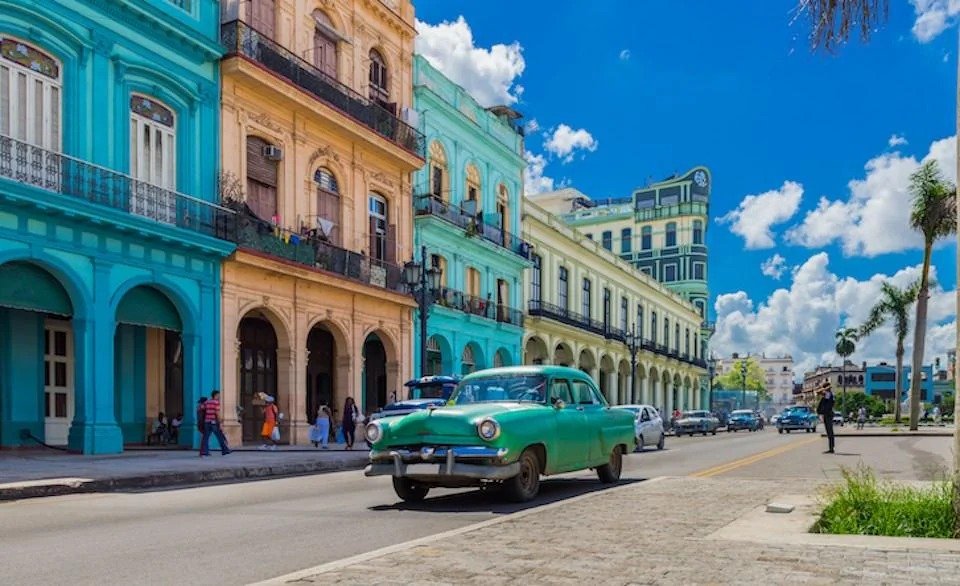
For travelers who want to feel somewhere genuinely foreign
- 500-year-old port city, UNESCO-listed colonial core
- Cheap, walkable, with hundreds of restaurants and bars
- Casas particulares from $30/night, world-class luxury hotels too
- Live music every night of the week
- No beach in the city itself (but 25 min to Playas del Este)
- Best for: culture, food, nightlife, photography, first-timers

For travelers who want the resort sun-and-sand week
- 20 km of unbroken white-sand beach on a thin peninsula
- All-inclusive resorts dominate; rates from $90–400/night
- Calm Caribbean water, shallow shelf, kid-friendly
- Minimal local culture in town; nightlife is in resort discos
- Food quality varies sharply — resort buffets to a few solid paladares
- Best for: beach holidays, families, all-inclusive seekers, fly-and-flop
12 Rounds Compared, Honestly
Round 1: Beach Quality 🏖
This one isn't close. Havana has no real beach within walking distance of any tourist neighborhood. Playas del Este — the closest decent beach — is 25 km east of central Havana and reachable by $25 taxi each way. It's a fine beach, perfectly good sand, but it's not part of the city experience. Varadero, by contrast, is the beach. Twenty kilometers of unbroken, knee-deep-for-ages, sugar-soft white sand that ranks among the Caribbean's best. The water stays under your shoulders for what feels like a hundred meters out. If beach matters at all to you, Varadero is the answer to this round.
Round 2: Cost & Value 💵
Varadero looks expensive upfront — a decent 4-star all-inclusive runs $130–200 per night per person — but that price includes every meal, every drink, the beach, the pool, evening entertainment, and you pay nothing else for the entire stay. The math is brutal in Varadero's favor for travelers who would otherwise eat three meals and drink in restaurants. Havana is the opposite: cheap accommodation (casas at $30–50, mid-range hotels $80–130) plus meals at $10–25 a head, plus taxis, plus drinks at $4–8 each. Add it up and the daily cost for an ordinary Havana day is often $80–130. Varadero often comes out roughly equivalent or cheaper on a per-day basis — which surprises people. The full math for both is in our $50-a-day Cuba budget guide.
Round 3: Food & Restaurants 🍽
This is Havana's first decisive round. The capital has the best privately-owned restaurant scene in Cuba — paladares like La Guarida, San Cristóbal, Doña Eutimia, El del Frente, and dozens more, plus a street food culture that gives you a serious meal for $3–5. Cuban cuisine isn't internationally famous, but Havana paladares serve it at a level that competes with mid-priced restaurants in any global capital. Varadero's food, by contrast, is mostly resort buffets — which range from acceptable to actively poor — with a handful of decent paladares in the town. If food matters to you at all, this is not a close round. Our paladar guide covers the ones worth booking; for cheap eats see a separate street food guide; for context, the 20 dishes to try piece.
Round 4: Culture, Architecture & Atmosphere 🏛
Havana isn't just better at this than Varadero — it's better at this than almost any city on Earth. Four centuries of Spanish colonial architecture, mostly preserved by the country's economic situation rather than conscious effort. UNESCO-listed Old Havana, the Malecón seawall, the eclectic Vedado mansions, the brutalist Soviet-era civic buildings, the 1959 cars still operating as taxis — it's a city you can photograph for a month and not exhaust. Varadero, in contrast, was a fishing village before the resort boom and has almost no historic core. There's culture in Cuba; it isn't in Varadero. For a deeper dive into the city's most preserved buildings, see our guide to Havana's colonial casas.
Round 5: Nightlife & Music 🎷
Live music in Havana is not a tourist add-on — it's how the city operates. Salsa bars, jazz clubs, son cubano in colonial squares, casa de la música venues in three different neighborhoods, the Buena Vista Social Club tradition that's still being performed by the original-school musicians' descendants. La Floridita, the Tropicana, El Floridita, Casa de la Música Habana, Fábrica de Arte Cubano — even the smaller spots like La Zorra y El Cuervo have nightly live music at a real level. Varadero has live music too, but it's mostly resort entertainment: capable cover bands playing in beach bars and discos. There's a difference between paying to see what's actually happening culturally in a country and being served a packaged version of it.
Round 6: Accommodation Variety 🏨
Havana has the broadest range of accommodation in Cuba — from $25 casas particulares all the way to the $400-a-night Gran Hotel Manzana Kempinski. Casas, boutique hotels in restored colonial buildings, mid-range business hotels, and a handful of genuine luxury properties — the spectrum is real. Varadero is much narrower: mostly 4- and 5-star all-inclusive resorts, with a small handful of casas in the town. If you want to stay anywhere other than a beach resort, your options on the peninsula are limited. Our 15 best Havana hotels guide covers the full spread; for the resort comparison, budget hotels vs luxury resorts goes deeper on the trade-offs.
Round 7: Ease of Travel & Logistics ✈
Varadero is the easier trip by a wide margin. The international airport (VRA) sits right on the peninsula, transfers to resorts take 15–30 minutes, and once you arrive at your all-inclusive you don't have to make another decision for the entire week. Havana requires more: airport-to-city transfer ($25 taxi), navigating taxis or walking, dealing with cash, finding paladares, picking neighborhoods. For travelers who want a vacation that requires zero thinking, Varadero is built for them. For travelers who enjoy the navigation, Havana rewards that effort with much more interesting days.
Round 8: Suitability for Families with Kids 👨👩👧👦
Younger kids do dramatically better in Varadero. The shallow water shelf is genuinely safe, the resort kids' clubs are competent, food is predictable, and a parent can sit on a sun lounger for an hour without worrying. Havana with young kids is harder — the heat is unrelenting in summer, restaurants don't always have high chairs, the streets are uneven, and most of the city's appeal (architecture, history, music) is wasted on under-eights. Older kids and teenagers, however, can find Havana fascinating once you frame it right — the cars alone are a draw, and the food scene is exciting at any age. The decision depends heavily on age. For most family-with-young-kids trips, Varadero is the safer pick.
Round 9: Honeymoons & Romance 💑
Both work — for different kinds of couples. Varadero is the classic honeymoon: adults-only resort, private beach, candlelit dinner over the water, no decisions. Several specifically adults-only properties (Royalton Hicacos, Iberostar Selection Bella Vista, Paradisus Princesa del Mar) are honeymoon-grade. Havana is romantic in a different register — rooftop bars, colonial casas with private terraces, walking the Malecón at sunset, live music in candlelit bars. It's less polished but more memorable for the right kind of couple. A dedicated Cuba honeymoon planner walks through both approaches in detail.
Round 10: Safety & Hassle Factor 🛡
Cuba is one of the safer countries in the Caribbean for tourists overall. Both Havana and Varadero have low violent crime rates by Latin American standards. Petty issues differ slightly — Havana has the usual capital-city hustle (cigar touts, taxi overcharging, the occasional aggressive begging) but nothing more serious than what you'd find in Lisbon or Marrakech. Varadero's resort bubble means almost zero exposure to any of that, but it also means zero exposure to the real Cuba. Walking Havana at night, even alone, is mostly fine in the tourist neighborhoods. Both destinations are safer than their respective reputations.
Round 11: Excursions & Day Trips 🚙
From Havana you can day-trip to Viñales (2.5 hrs west, world-class tobacco valley), Playas del Este (25 min, beach), Las Terrazas (1 hr, eco-village), and on a long day to Cienfuegos (3 hrs). The variety of trips is broader from the city. From Varadero the excursions are mostly to specific reefs, the Bay of Pigs for diving, or back to Havana itself for a day. The Varadero options are good but narrower. The Viñales horseback piece covers the most popular Havana day trip; a dedicated scuba diving guide on the site covers the Varadero-area reef options.
Round 12: Authenticity & "Did I Actually Visit Cuba?" 🇨🇺
This is the round that ends the debate for a lot of travelers. You can spend a week in Varadero and never meaningfully encounter Cuba beyond your resort staff. The food, the music, the architecture, the daily life — none of it is on the peninsula. You leave with photos of a beautiful beach and not much else. Havana is the inverse: every walk to dinner is an encounter with the country. Whether or not authenticity matters is up to the traveler, but if it does at all, the gap between the two is enormous.
Travelers who pick Varadero because they want a beach holiday are happy. Travelers who pick Varadero because they wanted to "see Cuba" leave wondering why they don't have more to say about the country they just visited.
The Real Numbers, Compared
Listings prices for both destinations can be misleading because they don't account for what you actually do each day. The table below is a like-for-like daily cost breakdown for a couple traveling together — accommodation per person, three meals, drinks, and the kind of activities people genuinely do at each destination.
| Per Person, Per Day | Havana | Varadero | Winner |
|---|---|---|---|
| Budget accommodation | $30–50 (casa) | $70–110 (3-star resort) | Havana |
| Mid-range accommodation | $80–150 (hotel) | $130–200 (4-star AI) | Havana |
| Luxury accommodation | $250–450 (Kempinski tier) | $300–500 (5-star AI) | Tie |
| Breakfast | $5–10 (casa or café) | Included in AI | Varadero |
| Lunch | $8–15 (paladar / street) | Included in AI | Varadero |
| Dinner | $15–30 (good paladar) | Included in AI | Varadero |
| Drinks (3 mojitos) | $12–18 | Included in AI | Varadero |
| Daily transport | $15–25 (taxis) | Minimal (you're on the beach) | Varadero |
| Activities | $20–40 (museums, music) | $0–30 (beach + extras) | Varadero |
| Mid-range daily total | $155–270 | $130–200 | Varadero edges |
| Budget daily total | $70–110 | $90–130 | Havana wins |
The numbers reveal something specific: at mid-range and above, Varadero is slightly cheaper or roughly equivalent because the all-inclusive structure rolls so many costs into one number. At the budget level, Havana is substantially cheaper because casas particulares and paladares give you good food and a roof over your head for under $50/night — territory Varadero can't match. The cash side of all this is its own challenge in Cuba; a dedicated cash-management guide covers what you need to bring and how to manage it.
US credit and debit cards do not work in Cuba — not at hotels, not at restaurants, not at ATMs. Every dollar you spend in either destination has to be physically in your wallet on arrival. Resort guests sometimes don't realize this because their on-property charges go to the room bill, but the moment you leave the resort gate (taxi tip, paladar lunch in town, any souvenir) cash is the only option. Bring euros, Canadian dollars, or UK pounds; they convert at better rates than USD. Budget at least 20% more than you think you'll need.
The Final Scorecard & Who Each One Is For
🥊 12-Round Scorecard
The pattern: Havana wins almost every round that involves the actual texture of being somewhere foreign. Lost the rounds that involve sand, ease, and resort logistics.
The pattern: Wins the rounds about removal of friction — beach, kids, pre-paid pricing. Loses everywhere that requires the destination to provide character beyond its sand.
Which One Is Actually Right For You?
The scorecard says Havana wins, but the scorecard isn't your trip. Here's the honest matrix:
- First-time Cuba visitor, 5–7 nights, wants the full experience: Havana with optional 1-night Varadero side trip. The week is wasted in Varadero if you've never been to Cuba.
- Beach holiday, low-decision, fly-and-flop: Varadero all-inclusive. Anything else is overcomplicating what you're after.
- Family with kids under 10: Varadero, full week. Save Havana for when the kids are teenagers.
- Family with teens or older kids: Split — three nights Havana for the food, music, and cars, then four nights Varadero for the beach.
- Honeymoon couple, want romance + ease: Varadero adults-only resort.
- Honeymoon couple, want romance + memorable: Havana boutique hotel + colonial casa, with one or two Viñales nights inland.
- Foodie: Havana, no question. Varadero food is a downgrade from anywhere with a real paladar scene.
- Photographer: Havana. Varadero is photogenic for a day; Havana is photogenic for a year.
- Solo traveler: Havana. Resort all-inclusives are a strange place to be alone; the city is genuinely welcoming.
- Repeat Cuba visitor: Skip both and go to Trinidad, Holguín, or Viñales. You've already seen the headliners.
How to Do Both in One Trip
If you have seven nights or more, doing both is the right answer. The two destinations are only 140 km apart, the road between them is the best-maintained in the country, and the transition by Viazul bus or shared taxi takes about two hours. The combination gives you everything Cuba does well — city, beach, food, sun — without the trade-offs of picking one. Here are the three best ways to structure it.
The Classic 7-Night Split: 3 Havana + 4 Varadero
The most common combination, and for good reason. Three nights in Havana is enough to see Old Havana, eat at three or four good paladares, walk the Malecón at sunset, and catch live music — without overdoing the city heat. Four nights in Varadero gives you proper beach time, lets you settle into a resort rhythm, and ends the trip on relaxation rather than urban intensity. Suits first-time visitors who want everything Cuba offers without rushing. The full Havana piece in this kind of trip is laid out in a separate 3-day Havana itinerary.
The Beach-First 10-Night Trip: 5 Varadero + 3 Havana + 2 Viñales
For travelers who want the beach as the main event but enough culture not to feel like they only saw a resort. Start with the resort week (the body craves it after a long flight), break into Havana mid-trip for cultural relief, then end with two nights in Viñales for the tobacco valley and horseback. This route gives you all three of Cuba's biggest assets and reduces resort-fatigue by breaking it up. Information on the Viñales add-on is in our horseback riding guide.
The Culture-First 12-Night Trip: 5 Havana + 4 Trinidad + 3 Varadero
For travelers who want more of the country than just two coastal points. Five nights in Havana gives you time to slow down, see things twice, and find a paladar you want to come back to. Four nights in Trinidad adds the colonial second city plus Playa Ancón for beach (south coast, smaller scale than Varadero). Three nights at the end in Varadero is the dessert course — a proper resort week distilled into three days. This is the trip most experienced Cuba travelers recommend if you have the time.

Viazul tourist bus: $10 per person, 2 hours, multiple departures daily. The easiest and cheapest option. Book online a day ahead in peak season.
Shared taxi (colectivo): $20–25 per person, slightly faster, more flexible departure times. Ask your casa host to arrange.
Private taxi: $70–100 total. Worth it for groups of 3+ or anyone wanting door-to-door.
Don't: Rent a car for this leg. The drive is easy but the rental rates and insurance complications in Cuba aren't worth it for a single 2-hour trip.
When to Go to Each (Hint: It's Different)
One subtlety that almost no comparison guide flags: the optimal weather window for the two destinations isn't identical. Havana is most pleasant in the cooler months — November through March — when the humidity is bearable and walking the city for hours is genuinely comfortable. Varadero is great year-round on the beach but suffers slightly in December–February when winter cold fronts can drop the water temperature and bring choppy days. The sweet spot for both is March, April, or November — warm but not brutal, dry but not crowded, and the weather works at both destinations equally.
Hurricane risk (August–October) affects Varadero more than Havana because the resort experience is so beach-dependent — a tropical storm that you can ride out in Havana with a book and a rum becomes a ruined vacation if it hits during your one beach week. Travel insurance with weather coverage is essentially mandatory for September trips to either; for full breakdown, see a dedicated Cuba travel insurance piece. For month-by-month detail, a month-by-month timing piece covers what to expect across the calendar.
✈ Pre-Booking Checklist for Either Destination
- Cuba e-visa applied for at evisacuba.cu and received by email
- D'Viajeros entry form completed within 7 days of arrival
- Travel insurance with Cuba medical coverage confirmed
- Cash brought in euros, Canadian dollars, or GBP (avoid USD)
- Total cash budget calculated based on this article's per-day numbers
- First-night accommodation booked with address printed
- Domestic transfers (if doing both) booked or planned
- SIM card or eSIM strategy decided for either destination
- For Varadero: room category and resort confirmed (resort quality varies sharply)
- For Havana: at least one paladar reservation made in advance
- OFAC license category selected if traveling from the US
- Sunscreen, insect repellent, basic medications packed from home
Frequently Asked Questions
One last honest thought
The Havana vs Varadero question gets asked constantly, but the truth is that the question itself is the wrong framing for a lot of trips. Cuba is small enough that a week or more lets you skip choosing entirely. Three nights in Havana and four in Varadero is not a compromise — it's a near-perfect way to experience the country, with the city giving you the cultural depth and the beach giving you the rest your body wants after the urban intensity.
If you genuinely can't combine them — limited time, limited budget, a partner who refuses one or the other — the deciding question is simple: which kind of trip do you actually want to come home with? Travelers who picked Havana come home with stories. Travelers who picked Varadero come home with rest. Neither is wrong. Just be honest with yourself about which one you needed.
Whichever you pick, sort the visa, bring the cash, and book a paladar reservation for somewhere on your first night. The rest figures itself out once you're there.
