

State Restaurant vs Paladar in Cuba: Which Gives Better Food for the Price?
One is state-owned, predictable, and often derided. The other is family-run, flexible, and where Cuba’s real food culture lives. The answer matters more than you’d think — and it’s not as simple as “always go to the paladar.”

State Restaurant vs Paladar: Which Is Actually Worth It?
One is state-run and predictable. The other is family-run and where Cuba’s real food culture lives. The answer isn’t as simple as it looks.
Cuba’s food reputation has been dragged through the mud for decades — mostly by travelers who ate every meal at state-run hotel restaurants and concluded the island has nothing interesting to offer. That conclusion was always unfair, but it was grounded in something real: Cuba has two completely parallel dining systems that produce wildly different experiences, and most tourists default to the wrong one by accident.
The divide is between the state restaurant — government-owned, centrally supplied, and operating under constraints that have nothing to do with what’s actually good — and the paladar, the privately owned restaurant run by a Cuban family or entrepreneur with their own supply chains, their own menu, and their reputation directly on the line with every plate they send out.
This guide compares both honestly across eight categories: food quality, price-for-value, menu range, atmosphere, service, consistency, who your money supports, and the specific situations where each one makes sense. At the end, you’ll know exactly where to eat — and just as importantly, where not to — for the rest of your Cuba trip.
Why This Distinction Matters More Than You Think
Cuba’s restaurant split isn’t just about ownership. It’s about supply chains, incentive structures, and what happens when the person cooking your food has absolutely no stake in whether you enjoy it versus when their livelihood depends entirely on it.
State restaurants operate within the Cuban government’s distribution system. Ingredients are allocated centrally, menus are standardized, and staff are paid a state wage regardless of how many plates come back untouched. The institutional result is what you’d expect: food that’s adequate, safe, and largely uninspiring — prepared by people who aren’t compensated to care whether the chicken is dry. In the post-2020 period, as Cuba’s supply chains have contracted further, many state restaurants have seen their quality decline while prices, paradoxically, have risen in hard currency terms for tourists.
Paladares exist in a different universe. Cuba first allowed private restaurant operation in the 1990s under limited rules (initially capped at 12 seats, family members only). Those rules have progressively loosened, and by 2026 the paladar sector has grown into a legitimate, often sophisticated restaurant industry. The operators source their own ingredients — sometimes through informal markets, sometimes through direct farm relationships, sometimes importing what they can afford — and their success or failure maps directly to what they put on the table.
The gap in quality that results from these different incentive structures is not subtle. It’s the single most important piece of dining knowledge you can carry into Cuba. Understanding what Cuban food is actually capable of is impossible if you only experience it through the state system. The paladares are where that potential shows up on the plate.
At a Glance: The Two Dining Models
- Owned and run by the Cuban government
- Ingredients sourced through central state distribution
- Standardized menus with limited daily variation
- Staff on fixed state salary — no tips, no performance incentive
- Often attached to state hotels or tourist complexes
- Accepts both CUP and hard currency (USD/EUR)
- Almost never where locals choose to eat on their own money

- Owned and operated by Cuban individuals or families
- Independent ingredient sourcing — operators choose their own suppliers
- Menus reflect what’s available and what the cook does well
- Owner-operated model: success and failure are personal
- Range from rooftop dining rooms to front-room tables to full restaurants
- Accepts hard currency; some larger ones take cards
- Where both knowledgeable tourists and Cubans with money actually eat
Round by Round: Eight Categories Compared
Round 1: Food Quality
- Standardized preparation — the ropa vieja is the same as every other branch of the same chain
- Ingredients subject to supply constraints — what’s allocated is what gets cooked
- Cooks trained centrally with no personal ownership of the result
- Dishes often arrive safe but uninspired — cooked-through chicken, watery black beans
- Deteriorated further since 2022 supply chain disruptions
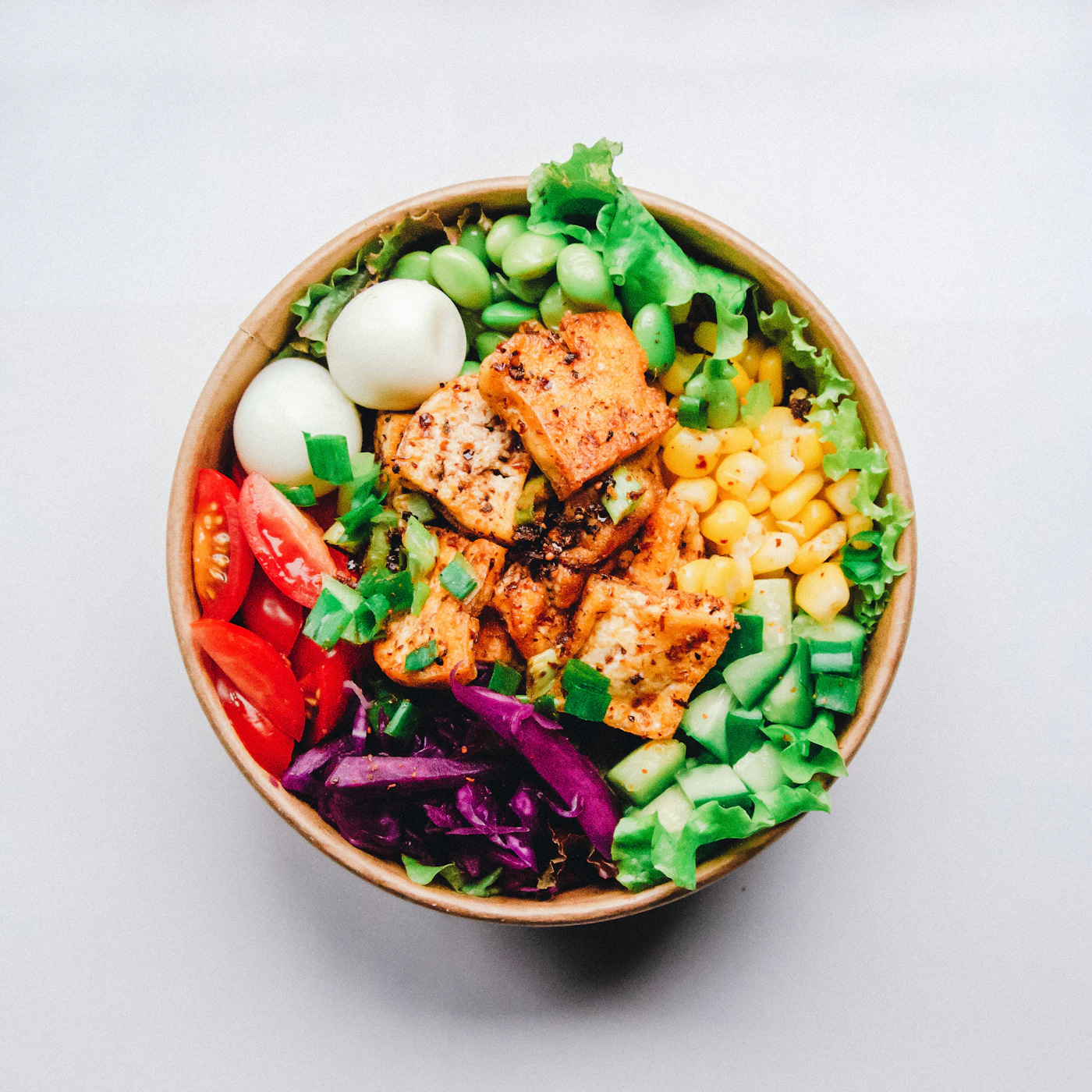
- Owner-cook relationship creates personal investment in every plate
- Ingredients sourced for quality, not just availability — some source from specific farms
- Menus reflect genuine skill and regional cooking knowledge
- Range is wide: from outstanding to mediocre — but peaks significantly higher than any state restaurant
- Seasonal and market-responsive in a way state restaurants can’t be
Round 2: Price-for-Value
This one is more complicated than it looks on the surface. State restaurants appear cheaper because their headline prices are lower. But what you’re getting for those prices matters.
A state restaurant meal in Havana for a tourist runs roughly $3–6 in hard currency equivalent. A paladar meal runs $10–18 for a comparable spread. The numbers suggest the state restaurant is the budget choice — but that framing breaks down when you factor in what each dollar actually buys. A $4 state restaurant plate of chicken with rice that arrives bland, overcooked, and accompanied by a watered-down beer is poor value by any objective measure. A $12 paladar plate of the same dish — properly seasoned, built from better-quality ingredients, served by someone who’d prefer you came back — represents considerably more value per dollar spent.
The honest assessment: state restaurants offer lower absolute prices but weaker value. Paladares cost more but consistently deliver more. If you’re working with a strict daily budget and every peso counts, the $50-a-day Cuba breakdown shows you how to allocate your food budget across both — including which meals are worth spending on and which aren’t. The short version: breakfast at your casa particular (often included), street food for lunch, and a paladar for dinner is the combination that maximizes value without sacrificing the actual experience of eating in Cuba.
Round 3: Menu Range and Variety
- Standard menu: chicken, pork, fish, ropa vieja, rice, beans, plantains
- Menu doesn’t change based on season, availability, or cook preference
- “Lo que hay” situations (only what’s available today) more common than menus suggest
- International-style dishes attempted with mixed results — the “spaghetti bolognese” is best left alone
- Top Havana paladares offer genuinely creative modern Cuban menus — not just the classics
- Smaller paladares in provincial cities specialize: Baracoa spots focus on coconut and cacao cuisine, coastal paladares feature fresh catch
- Menu evolves based on what was sourced that morning — more living document than laminated card
- Craft cocktail programs, wine lists, and dessert menus far beyond anything state restaurants offer
Round 4: Atmosphere
Atmosphere is the category where the gap between state and private is most visually obvious — and most consistently remarked on by travelers who try both.
“The best paladar dining rooms in Havana belong in magazines. The state restaurants they’re compared to belong in a Soviet-era tourism brochure.”
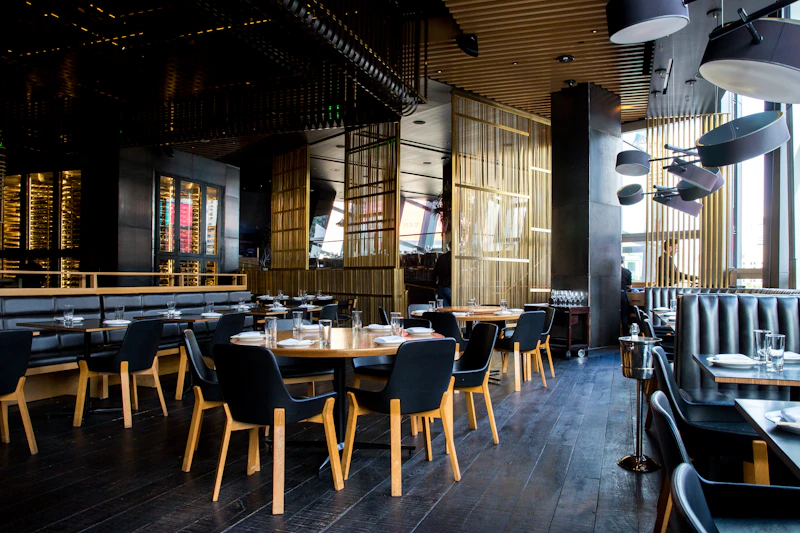
State restaurants tend toward institutional: decent furniture arranged in uniform rows, fluorescent or generic overhead lighting, a laminated menu on each table, and decor that hasn’t changed since the venue was last renovated — which in many cases was several decades ago. The overall impression is of a canteen that has been asked to pretend it’s a restaurant.
Paladares occupy a completely different design vocabulary. The rooftop dining rooms in converted Havana mansions. The courtyard tables at Trinidad paladares shaded by bougainvillea. The tiny front-room setups in Viñales where you’re essentially eating in someone’s living room while a family member plays guitar in the corner. Even the simplest paladares tend to have some evidence of intention — a vase of flowers, a painted wall, handwritten daily specials — that signals the owner has thought about your experience beyond getting food to a table.
Round 5: Service
Service in Cuba generally improves as you move from state to private — for structural reasons that have nothing to do with individual personalities.
State restaurant staff are on a salary. Their employment is stable regardless of how any given table goes. Tips, in the state restaurant context, are accepted but don’t shape income in the way they do in private restaurants. The result is service that ranges from perfectly competent to disinterested — and because staff have no mechanism for feedback to influence how they’re treated by their employer, there’s limited corrective pressure on the disinterested end.
Paladar staff — and in many cases the owners themselves — are running a business that lives and dies on repeat customers and reviews. The table doesn’t have to come back. The recommendation to the next traveler at the same casa particular matters. This creates genuine service motivation that the state system structurally cannot replicate. You will occasionally hit a paladar with rushed or inattentive service — typically at the ones that have become popular enough to coast. But the mean is noticeably higher than the state restaurant mean.
Round 6: Consistency
This is the one round where state restaurants have a genuine structural advantage — and it’s worth being honest about it.
State restaurants are consistent in the way that any centrally controlled system is consistent: the meal you get on Tuesday will be essentially the same meal you’d get on Saturday. The same dishes, the same preparation, the same portion sizes. That consistency is at a mediocre level, but it is reliable. If you know what to expect and you’re primarily concerned with not being surprised, state restaurants deliver on that.
Paladares vary. A great paladar on a Thursday night might be a noticeably different experience on a Sunday afternoon when the kitchen is understaffed. A paladar that was excellent six months ago might have had a change of cook and drifted. The informal supply chains mean that a dish on the menu might simply not be available on a given night. The range of outcomes at paladares is wider in both directions — better peaks, but less predictable floors.
Round 7: Supporting the Local Economy
This matters more in Cuba than almost anywhere else travelers go, and it influences where most ethically-minded travelers choose to spend their dinner money once they understand the structure.
When you eat at a state restaurant, your money enters the Cuban government’s revenue stream. State restaurant profits go to the state — not to the staff serving you, not to the local farmers supplying ingredients, and not to any local family’s income. The staff receive their salary, which is set by the state and does not reflect the restaurant’s revenue. Tips go to individual staff members and are the most direct economic benefit state restaurant workers receive from tourist spending.
When you eat at a paladar, the economics are entirely different. The operator earns revenue directly. Their staff are paid from that revenue — often significantly more than state employees. Their suppliers (often local farmers, market vendors, or informal networks) receive income. The money stays much closer to the people who produced the experience. For US travelers specifically, eating at paladares is aligned with the “Support for the Cuban People” OFAC license category that most independent US visitors use — state restaurants don’t fit this category cleanly.
Round 8: Accessibility and Finding Them
- Easy to find — they’re often in the most prominent locations in any tourist area
- No reservation required in most cases
- Signage is clear and consistent — look for government branding
- Open predictable hours with no risk of being fully booked
- Accessible without prior research or local knowledge
- Require some research to find the good ones — word of mouth and recent reviews matter
- Popular paladares in Havana need reservations, sometimes 24–48 hours ahead
- Physical locations sometimes discreet or inside residential buildings — not always obvious from the street
- Hours more variable — some close on specific days, some only operate evenings
- Worth the effort: your casa host is usually the best source of current recommendations
Real Costs: What Meals Actually Cost in 2026
Cuba’s currency situation in 2026 means that pricing for tourists involves CUP (Cuban pesos) but is effectively quoted and thought about in hard currency. The numbers below reflect what travelers are realistically paying in USD-equivalent terms, using the current informal exchange rate. They’ll shift somewhat depending on when you visit and where in the country you are — provincial cities run cheaper than Havana across the board.
| Meal Type | State Restaurant | Paladar | Street Food |
|---|---|---|---|
| Breakfast (eggs, bread, coffee, juice) | $2–4 | $4–8 (higher quality, often included at casa) | $1–2 (egg sandwich, Cuban coffee) |
| Lunch (main + drink) | $4–7 | $8–14 | $2–5 (best value option) |
| Dinner — basic (chicken/pork + sides) | $5–9 | $10–18 | Not applicable |
| Dinner — mid-range (seafood, cocktails) | $8–14 (limited quality ceiling) | $18–35 | Not applicable |
| Dinner — top-end (La Guarida tier) | Not available | $35–60+ (includes cocktails) | Not applicable |
| Local beer (at the restaurant) | $1–2 | $2–4 | $1 (from a street stall or bodega) |
| Mojito / cocktail | $3–5 | $5–10 (considerably better quality) | Not applicable |
A practical daily food budget for a tourist who eats thoughtfully — breakfast at the casa, street food for lunch, paladar for dinner — runs $20–35 per day depending on how much you drink with dinner and whether you’re in Havana or a provincial city. Eating every meal at paladares pushes that to $40–55. Eating every meal at state restaurants keeps it at $15–25 but at a significant cost to enjoyment.
Breakfast is almost always included or very cheap at a casa particular — eat it there every day without exception. Lunch is the meal to go cheap: street food from a busy stall (busy = safe, high turnover) costs $2–4 and is often excellent. That leaves your real budget for dinner, where a good paladar for $12–18 per person delivers something genuinely memorable. This structure means you’re eating as well as possible on the tightest practical budget. The DIY food tour guide maps exactly this kind of daily eating strategy across Havana’s neighborhoods.
One clarification on the cash side: Cuba runs almost entirely on cash, and your food budget is no exception. Cards are accepted at a small number of the larger, more established paladares in Havana — but you cannot count on it. Carry enough cash for your planned meals and then some, because the local ATM may not cooperate with your card. If you haven’t sorted out the cash logistics of a Cuba trip yet, the cash-in-Cuba guide is worth reading before you leave home.
The Verdict: Final Scorecard
| Category | State Restaurant | Paladar | Winner |
|---|---|---|---|
| Food Quality | Adequate, often uninspired | Ranges from good to excellent | Paladar |
| Price-for-Value | Cheap but weak value | Costs more, delivers more | Paladar |
| Menu Variety | Standardised, predictable | Market-driven, seasonal | Paladar |
| Atmosphere | Institutional, generic | Character, intention, warmth | Paladar |
| Service | Variable, no incentive structure | Motivated, owner-invested | Paladar |
| Consistency | Reliably mediocre | Variable — peaks higher, floors less predictable | State Restaurant |
| Supporting Locals | Money goes to the state | Money stays with Cuban families | Paladar |
| Accessibility | Walk-in, no research needed | Requires planning, reservations | State Restaurant |
Final Score
Wins the rounds that matter least to most travelers. You know exactly what you’re getting — and what you’re getting isn’t very good. The one valid use case: when you arrive somewhere without research done and you need food without thinking about it. Use state restaurants the way you’d use a motorway service station: not for the food, but because it’s there when nothing else is.
Wins every round that matters. The higher price, the reservation overhead, the occasional variability — these are the only real arguments for choosing anything else. And they’re not strong enough arguments when the alternative is reliably mediocre food in a soul-free room with staff who have no stake in whether you enjoy it.
A small number of state-affiliated hotel restaurants — particularly in Havana’s higher-end properties — operate at a different standard from a standard state restaurant. The Habaguanex group, for example, manages a handful of restaurants in Old Havana’s historic hotels that do solid work with Cuban classics. They’re not cheaper than paladares and they’re rarely better, but they’re a legitimate option for a lunch in the shade while sightseeing if you’re already in the vicinity of a historic hotel. These are the exception, not the representative of the category.
Where to Find Good Paladares — By City

In Havana
Havana has the deepest paladar scene in Cuba — from the famous to the unknown. The well-established names (La Guarida, San Cristóbal, Doña Eutimia) are worth booking in advance. But the paladares that represent best value are often the ones with no English-language profile: an 8-table room in a residential building in Vedado, recommended by your casa host, with a daily menu written on a chalkboard and a cook who’s been making the same ropa vieja her way for twenty years. The paladares guide for Havana covers both tiers — the famous and the quietly excellent. And if you want to eat your way through Havana more deliberately, the self-guided food tour maps a route through the best of it without a guide.
Avoid the state restaurants concentrated around Plaza de la Catedral and the cruise port area — these specifically prey on day-trippers who haven’t done their research. The worst value in Cuban dining is a tourist-facing state restaurant in Old Havana’s busiest plaza. Better options exist within three minutes’ walk in any direction.
In Trinidad
Trinidad’s paladar scene punches above its size. The best ones are in residential houses within walking distance of the main plaza — follow your casa host’s current recommendation rather than the tourist information board’s suggestion, which tends to point you to whoever’s paying a commission that week. The town also has excellent street food along the main pedestrian street, particularly in the evening.
In Viñales
Viñales is small enough that the good paladares are genuinely easy to find — there aren’t that many choices. The family-run operations in the village and on the road toward the valley tend to use local ingredients from the surrounding tobacco and coffee farms. Avoid anything that presents itself with a full English tourist menu and a street promoter out front. The best meals in Viñales are in homes you walk past thinking they’re not restaurants. Look for small hand-painted signs on the gate. This is exactly the kind of off-radar experience that sets Cuba apart from a more straightforward destination.
In Provincial Cities: Camagüey, Cienfuegos, Santiago
Outside the main tourist circuit, the paladar ecosystem is less developed but no less real. Camagüey has a small but growing private restaurant scene worth exploring. Cienfuegos has several strong paladares near the Parque Martí. Santiago de Cuba has a handful of excellent options but finding them requires asking locally — the tourist information here tends to steer you toward state venues. In all three cities, your casa particular host is the best research resource: they know which places are currently good, which have declined, and which their friends actually go to.
This works everywhere in Cuba and it’s the most reliable dining research tool available. When you check into your casa particular, ask your host: “Which paladar do you personally recommend for dinner tonight? Not for tourists — where would you take a friend?” The distinction is meaningful. Cuban hosts know the difference between what they’d tell a stranger and where they’d actually go, and most will give you the honest version if you frame the question that way. The casa particular guide covers how to use the host relationship across the whole trip, not just for food.
The Paladar Finder Checklist — Before You Sit Down
- Ask your casa host for a current recommendation — not a tourist board list
- Check that reviews on any platform are recent (within 3–4 months)
- Confirm reservation for popular Havana spots 24–48 hours ahead
- Look for hand-painted signs rather than printed tourist menus at the door
- Avoid anywhere with a street tout actively pulling you in from the pavement
- Ask what the cook recommends today — any good paladar will have a confident answer
- Check whether the daily menu matches what’s actually available before you order
- Confirm pricing in advance to avoid ambiguity — not negotiation, just clarity
- Ask about the lobster: if they have it, it was probably fresh this morning
- Carry enough cash — cards accepted only at a minority of paladares
- Tip in cash (5–15% is appropriate, all goes directly to staff)
- If it’s excellent, leave a review — it genuinely matters more here than in most countries
Frequently Asked Questions
One last honest thought
The state restaurant vs paladar debate is actually a proxy for a bigger question about how to travel in Cuba: are you going to let the easiest option win, or are you going to spend twenty minutes finding the better one? Cuba rewards the second approach in almost every category — accommodation, transport, tours, and most visibly, food.
The state restaurant isn’t a catastrophe. You won’t get food poisoning. You won’t be overcharged in absolute terms. You’ll eat something hot and leave not having thought about it again. But that’s exactly the problem. You came to Cuba. You presumably wanted to experience something. The Cuban food that gets remembered — the ropa vieja that’s been cooked by the same woman in the same kitchen for thirty years, the lobster grilled on the balcony of a converted colonial mansion, the simple plate of congri and pork from a six-table room in Remedios that costs $8 and tastes better than most things you’ll eat this year — none of that is in a state restaurant. All of it is at a paladar, somewhere, in every city in this country.
Do the twenty minutes of research. Book the table. It’s the best food investment you’ll make on the whole trip.
