
The worst-kept secret about eating in Havana is that the food gets dramatically better the further you move from a tablecloth. The paladares everyone talks about are real and some of them are excellent — but a plate that costs $18 at a tourist-facing restaurant in Old Havana is a version of Cuban cooking designed for visitors. The real thing is in the street.
This guide is a tour of what Havana actually eats when it’s eating for itself. The window stalls and sidewalk counters, the women with coolers full of croquetas, the tiny bakeries that open at 6am and sell out by 9. The entire picture for under $5 a day — not as a budget challenge, but as the normal price of breakfast and lunch for most habaneros.

Why Street Food Is the Best Way to Eat in Havana
There’s a particular kind of tourist trap unique to Cuba: the beautiful colonial courtyard, the four-page menu in English and Spanish, the cocktail list that’s longer than the food options. These places photograph beautifully. They trade on the charm of the architecture, the neighborhood, the whole Havana atmosphere. The food is often mediocre and reliably expensive by local standards.
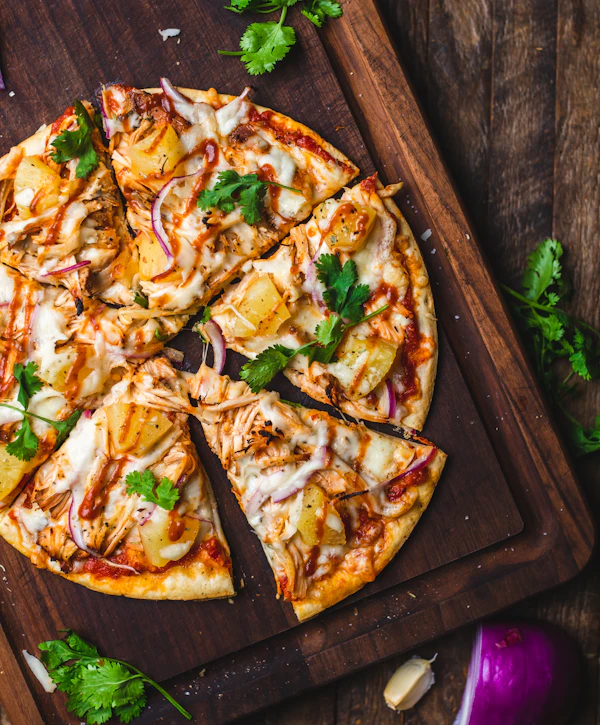
Havana’s street food operates on a completely different logic. It’s not trying to create an “experience” — it’s trying to feed people who have somewhere to be. The croqueta lady outside the bus terminal at 7am has been making the same batch every day for years. The pizza window on Obispo that serves individual slices for fifteen cents has more throughput by 10am than most Havana restaurants see in a week. These things are consistent because the people making them depend on that consistency to earn a living.

The other thing street food in Havana does — that no paladar really can — is orient you inside the city. You learn the block patterns by walking between stalls. You figure out which neighborhoods have morning markets and which ones have the better bakeries. You start to understand Havana as a place where people actually live, not a film set for your holiday.
That’s the real case for eating on the street here. Not just the price, though the price is absurdly good. It’s the access it gives you to the city beneath the tourism layer — and that city is far more interesting.
The Street Food You Need to Know: Every Dish, Every Price
Cuban street food is not complicated food. The dishes are short on ingredients and long on history — things that evolved from what was available and what kept well in tropical heat. That simplicity is a feature. You know what you’re getting, you can point if your Spanish runs out, and almost everything is eaten standing up or while walking, which is its own kind of honest.




More Things to Try: The Extended List
Beyond the core dishes above, there are a handful of other street staples that appear regularly and are worth flagging. Tamales cubanos — cornmeal stuffed with pork and steamed in husks — are sold from trays and bicycle carts for $0.25–0.50 each. Different from Mexican tamales in spicing and texture; denser, saltier, and deeply satisfying. Churros appear near parks and busy corners, fried to order and dusted with sugar for ten to twenty cents each. Chicharrones (fried pork rinds) are sold in twists of newspaper for next to nothing and pair absurdly well with a Cristal beer from a nearby state shop. Tostones — twice-fried green plantain, smashed flat — come as a side with most lunch plates but also appear as a standalone snack at market stalls.
Cuban café is served in small cups — espresso-strength, with sugar incorporated during the brewing process rather than added after, which produces a particular sweetness that adding sugar to the top never replicates. From a street window it costs five to fifteen cents. The same coffee in a hotel lobby runs $3–5. The street version is indistinguishable from, or better than, anything you’ll pay tourist prices for. Ask for café cubano or cafecito. Bring your own cup if you find a good source and want a to-go portion — most window stalls will fill it.
Neighbourhood by Neighbourhood: Where the Street Food Actually Is
Havana’s street food is not evenly distributed. It clusters around transit points, markets, residential blocks that don’t see tourist traffic, and a handful of streets that have supported the same food sellers for decades. Here’s where to go for each category.

If you only have time for one street food reconnaissance walk in Havana, make it the pedestrian section of Calle San Rafael between Galiano and Belascoaín in Centro Habana. Within six blocks you’ll pass pizza windows, croqueta carts, state bakeries, a cafeteria serving rice-and-beans plates, at least two coffee windows, and a fruit and vegetable market. This is what Havana eats. Walk it in the morning when everything is fresh, walk it again at lunchtime when the plate-food stalls are busy. You’ll spend $2–3 total and understand the city’s eating patterns better than any food tour.
Everything You Can Eat in Havana for Under $5 — an Actual Day
This isn’t a theoretical exercise. These are real things you can buy at real prices in 2026, combining them into a full eating day that won’t leave you hungry at any point. The total is not just possible — it’s how most residents of Centro Habana eat on a normal weekday.
That’s a full day — eight eating occasions, never hungry, every meal hot or fresh — for under five dollars. The practical implication for a week-long Havana trip is that you can eat well every day for $30–35, which opens up significant room in your overall Cuba budget for the things that cost more: a proper paladar dinner once or twice, transport between cities, activities, rum.
Everything and What It Costs: 2026 Street Food Price Guide
These reflect locally-sourced prices from 2026, bought at street stalls, state cafeterias, and market windows — not hotel restaurants or tourist-facing paladares. State-priced items are at the low end of each range. Private sellers with better quality typically charge the mid-to-high end.
| Item | Where to Find It | Price Range | At a Tourist Restaurant | Worth It? |
|---|---|---|---|---|
| Cafecito cubano | Street windows, state cafeterias | $0.05–0.20 | $2–5 | Yes |
| Pan cubano (bread roll) | State bakeries, early morning | $0.05–0.15 | Free (but inferior) | Yes |
| Croqueta de jamón | Carts, windows, cafeterias | $0.15–0.50 | $1.50–3 each | Absolutely |
| Pizza cubana (slice) | Street windows, Centro Habana | $0.15–0.50 | $3–6 per pizza | Yes |
| Tamales cubanos | Cart sellers, market stalls | $0.25–0.60 | $3–5 | Yes |
| Bocadito (ham/cheese sandwich) | Street counters, plancha stands | $0.50–1.50 | $4–8 | Yes |
| Moros y Cristianos plate lunch | State cafeterias, basic paladares | $1.50–3.50 | $8–16 | Yes |
| Helado Coppelia (2 scoops) | Coppelia park, Vedado | $0.25–0.50 | $3–6 | Yes — queue for it |
| Maní (roasted peanuts) | Mobile vendors, parks | $0.20–0.35 | N/A | Yes |
| Churros | Corner fryers, near busy parks | $0.10–0.25 each | $2–4 | Yes |
| Cristal beer (can) | State shops (tiendas) | $1.00–1.50 | $4–7 | Buy from shop |
| Guarapo (fresh sugarcane juice) | Street juice carts | $0.25–0.50 | $2–4 | Yes — try it |
Cuba’s pricing system means that identical food items can cost very different amounts depending entirely on who’s selling them and who they think you are. A slice of pizza from a window on a residential street in Centro Habana costs fifteen cents. The same basic item at a café on Obispo, three minutes’ walk away, costs fifty cents or more. State cafeterias have fixed prices that anyone can access — you just need to find them and be willing to eat standing at a counter. Tourist-facing restaurants have entirely different economics. This guide is written for the state and private-street-stall side of that divide.
How to Actually Order, Pay, and Navigate — Including the Spanish You Need
Street food in Havana requires no special linguistic skill. Most stalls have the food visible, you point, you pay, you move on. But a handful of phrases and an understanding of how state cafeterias work makes the whole experience dramatically smoother.

Cash only, always. No street stall in Havana accepts anything other than Cuban cash. This is not a detail — it’s the entire premise. You cannot pay with a card, you cannot use a phone, you cannot pay in US dollars at most street-level stalls (though some accept them at a bad exchange rate). Bring exact change when you can; small bills and coins make every transaction faster and friendlier.
The queue system in state cafeterias has a particular local logic: when you arrive, you ask “¿Quién es el último?” (Who’s last?). Whoever answers is the person you stand behind. This isn’t obvious if you’ve never done it — the queue often doesn’t look like a queue. Knowing this phrase means you don’t accidentally push in front of someone who’s been waiting.
The Spanish Phrases That Actually Come Up
- “Un cafecito, por favor” — one small coffee. No further specification needed at a street window. It arrives sweet and strong. If you don’t want sugar (unusual but possible), say “sin azúcar.”
- “Dos croquetas” / “Tres croquetas” — two or three croquettes. Hold up fingers if numbers aren’t coming. They always understand fingers.
- “¿Cuánto es?” — How much is it? The single most useful phrase for navigating any food purchase where prices aren’t displayed.
- “¿Quién es el último?” — Who’s last in the queue? Ask this immediately when you arrive at any state cafeteria or busy window stall. It identifies your position and signals that you know how things work.
- “Un plato de arroz con frijoles y cerdo” — A plate of rice with beans and pork. The standard lunch order at any cafeteria. If they have it, this works. If they’ve run out of something, they’ll tell you what’s left.
- “¿Tiene guarapo?” — Do you have sugarcane juice? Not every juice cart has it fresh but it’s worth asking. Cold guarapo from a properly cold cart is one of the better drinks available on a hot Havana afternoon.
- “Para llevar” — To take away, if you want something wrapped to eat on the move rather than at a counter. Not always possible at state stalls, but private sellers usually oblige.
- “Gracias” / “Muchas gracias” — Thank you. The transaction is the whole relationship here. Politeness costs nothing and is noticed.
The single most reliable signal for good street food in Havana is a queue of locals. Not a gentle drift of people, a proper queue — five or more people waiting. Cubans are discriminating about where they spend their limited cash and time. If a pizza window has a line of eight people and the one next to it is empty, the one with the line is worth waiting for. This principle holds across every category: the bakery with the early-morning crowd, the cafeteria where every table is full by noon, the coffee window with the three workers on their break. These people know something you don’t yet. Stand in the line and find out what it is.
Food Safety on Havana’s Streets: Honest Advice Without the Alarmism
The scaremongering about eating street food in developing countries is rarely calibrated well, and Cuba is a good example of why. The food safety issues that matter are specific and avoidable — not a general reason to eat at hotel restaurants instead.
Guarapo (fresh sugarcane juice) is a specific case worth discussing: it’s run through a press with the juice collected in a cup, often with ice. The juice itself is fine; the ice is the variable. Ask for it without ice if you’re cautious — cold guarapo is better than warm guarapo, but warm guarapo is still good. Don’t skip it on food safety grounds; just make an informed choice about the ice.
The practical food safety rule for Havana street food: if it’s been freshly cooked through, eat it with confidence. If it’s been sitting out in the heat for an unclear amount of time, look for a fresher source. The high-turnover stalls — the pizza windows processing fifty customers an hour, the croqueta cart where the batch runs out and they fry another — are actually among the safest places to eat in the city precisely because nothing sits around long enough to cause problems.
Carry a small bottle of hand sanitiser and use it before eating, particularly after navigating crowded market areas and bus stops. This single habit does more for your digestive health than avoiding any category of food. Most stomach issues travelers get in Cuba are from general hygiene rather than specific food sources. Wash your hands, use sanitiser, eat the croqueta.
Street Food Has Limits: When It’s Worth Spending More in Havana
This guide is about eating well under $5. But that doesn’t mean every meal in Havana should be from a street window. There are specific things worth spending more on — occasions where the step up in price gets you a genuinely different experience rather than just a more expensive version of the same thing.
What to Drink on the Street — and What Things Actually Cost
The drink situation in Havana is simpler than the food situation. The options are fewer and the price differences between tourist and local sources are even starker.
Rum is cheaper in a state shop in Centro Habana than beer is in a tourist bar. A bottle of three-year Havana Club that costs $4 from a neighbourhood tienda becomes two $6 cocktails at a hotel poolside. The arithmetic of drinking in Havana rewards getting your supplies from the right source.
The Drinks Worth Finding on the Street
Guarapo is freshly pressed sugarcane juice, served over ice from a mobile cart. It’s slightly sweet, earthy, and nothing like the bottled version. You’ll find guarapo carts near busy markets and on the Malecón on warm evenings. Twenty-five to fifty cents for a cup, and on a hot afternoon it’s the right call by a significant margin. Café cubano from a street window — covered in Section 02 above but worth repeating — is the essential morning drink and costs almost nothing. Batidos (blended fruit shakes) are made from whatever’s fresh that day — mango, papaya, guayaba — blended with water or milk for fifty cents to a dollar from market stalls and juice counters. The quality depends entirely on the fruit that day. Ask what’s fresh before you order.
For beer: Cristal and Bucanero are the two local lagers. Cristal is lighter and easier; Bucanero is stronger and darker. Both cost $1–1.50 in a sealed can from a state shop (tienda), which is where you should be buying them. The same cans cost $3–7 in a bar or restaurant. Buying from a tienda and drinking on the Malecón or in a park is what Havana actually does in the evenings. The police don’t care about open containers in public in Cuba, and the Malecón at sunset with a cold Cristal is a perfectly complete evening plan.
Havana’s Farmers’ Markets: Where the Freshest Food Actually Comes From
The agropecuario — the state-permitted farmers’ market — is where Havana’s street food supply chain starts. Produce sellers, meat vendors, spice dealers, and prepared food stalls all operate under the same roofed market structure. For the traveler, these markets are interesting as experiences in themselves, and useful as places to buy snacks, fruit, and drinks at the lowest possible prices.

The Mercado Agropecuario Egido near the train station is the largest and most accessible for visitors staying in Old Havana or Centro. Arrive before 10am for the best selection. The Vedado market on Calle 19 serves the residential blocks of that neighbourhood. Both run Monday through Saturday; Sunday selection is thinner as deliveries have stopped.
What to buy at a market if you’re planning to eat cheap: mango and papaya by the piece (five to fifteen cents), a small bunch of bananas (twenty-five cents for six), cucumber slices with lime (ten cents from the prepared-food section), boiled peanuts in the shell if the cart’s there. A market breakfast is essentially free and genuinely enjoyable — find the coffee window at the market entrance, buy two pieces of fruit from the first produce stall, eat them at the counter while watching Havana arrive for the day.
When Things Open, When They Sell Out, and When to Eat What
Street food in Havana runs on a schedule that’s worth knowing. Missing the morning bread window because you slept in until 10am is a real thing that happens. So is arriving at a cafeteria at 2pm and finding they’ve served out of rice plates.
| Time of Day | What’s Available | What’s Finishing Up | Priority |
|---|---|---|---|
| 5:30–8:00am | Fresh bread, cafecito, first croqueta batches | Nothing — everything just opening | Best time for bread. Go early. |
| 8:00–11:00am | Full breakfast scene, market stalls, juice carts | First bread batches selling out | Market visit, fruit, coffee run |
| 11:00am–2:00pm | Peak lunch — cafeteria plates, pizza, sandwiches | Morning bread stalls winding down | Best window for hot lunch plates |
| 2:00–5:00pm | Snacks, ice cream, afternoon street activity | Cafeteria plates often sold out | Coppelia queue, afternoon snacks |
| 5:00–9:00pm | Evening vendors, malecón sellers, tamale carts | Most market stalls have closed | Mobile vendors, evening sandwich stalls |
| After 9:00pm | Very limited — late pizza windows, 24hr state shops | Most street food has closed | Plan ahead; eat before 9pm |
Between roughly 1pm and 4pm, Havana slows significantly. Shops close partially, stalls reduce operation, and the heat reaches its peak. This is not the time to be hunting for new street food options. Eat your main meal before 1pm when everything is fresh and fully stocked, then use the afternoon for Coppelia ice cream and whatever fruit you bought at the morning market. The city re-activates around 5pm as the heat drops, which is when the evening street food scene comes back to life.
Questions People Ask Before They Try Eating on the Street in Havana
Street Food as the Honest Version of Havana
There’s a Havana that exists for people with guidebooks and restaurant recommendations — the one with the restored colonial interiors and the photo-ready mojitos and the Buena Vista Social Club soundtrack piped through hidden speakers. That Havana is real and parts of it are genuinely good. But it’s a curated version, assembled for consumption by people passing through.
The street food city is the one that functions regardless of tourism, the one that fed itself through the Special Period in the 1990s and figured out how to feed itself tomorrow. The woman rolling out tamales at 5am isn’t doing it for TripAdvisor. The state bakery isn’t calibrating its bread for foreign palates. These things exist because they have to exist, which makes them more honest than almost anything on a restaurant menu in Old Havana.
You learn more about a city from what it eats every morning than from what it serves tourists for dinner. Havana’s bread, Havana’s coffee, Havana’s croquetas eaten standing on a street corner in Centro — that’s the city without the performance. Worth getting up early for.
The practical summary: eat on the street as often as possible, save your proper restaurant budget for one or two evenings at a genuinely good paladar, and put the money you don’t spend on tourist food toward the things in Havana that actually have no cheap substitute — the live music, the bar with the right bartender, the taxi driver who wants to talk about baseball for an hour. The food is the easy part. Under five dollars, every day, without trying very hard. This city makes it almost impossible not to eat well.
Published on hotelhavanaerror.com | Last updated: May 2026
