

Cuban Street Food Map: What to Eat and Exactly Where to Find It
Croquetas at 7am for fifteen cents. Pizza through a window for less than a dollar. Rice and pork plates that cost more effort to find than money to buy. This is where Cuban street food actually happens — neighbourhood by neighbourhood, city by city.

Cuban Street Food Map: What to Eat and Exactly Where to Find It
Croquetas, pizza, moros y cristianos, tamales — where to find them by neighbourhood, with prices and honest assessments.
The best food in Cuba doesn’t have a menu. It has a handwritten sign, a zinc counter, a stack of bread rolls at 5:30am, and a queue of people who know something you don’t yet. Cuban street food is the city eating for itself — not for visitors, not for content, not for anyone’s algorithm. It happens in the same places it’s been happening for decades, serves the same things it’s always served, and costs almost nothing by any meaningful comparison.
This guide is a practical map. Not just what to eat — Cuba’s full dish guide covers the what in depth — but specifically where to find it. Which streets in Old Havana have the best morning bread. Which plaza in Centro Habana has the croqueta cart worth waiting for. What changes when you get to Trinidad or Santiago. The kind of local geography that takes three days of wandering to discover, compressed into a guide you can read before you land.
Everything here is under $5, almost everything is under $2, and the best of it is under a dollar. That’s not a budget-travel positioning — it’s the actual price of Cuban street food in 2026. If you’ve been eating restaurant meals the whole trip, you’ve been spending ten to twenty times more than this food costs and you’ve been missing the real version of Cuban eating entirely.
How Cuban Street Food Actually Works
Cuban street food operates through three distinct channels, and understanding which one you’re dealing with changes the experience significantly.
The first is the state system: bakeries, cafeterias, and kiosks run by the government, selling at fixed subsidised prices. These are the zinc counters with handwritten menus, the hatch windows with no sign other than a small crowd in front of them, the bread shops that open before dawn. Prices here are extremely low. Quality is consistent without being remarkable. The bread is genuinely good.
The second is private sellers: the croqueta carts, the pizza windows, the tamale vendors with their bicycles. These operate on market prices, which in Havana 2026 means still dramatically cheap by any international standard but marginally more than the state equivalents. Quality is often better because the seller’s livelihood depends on the product.
The third is the paladares — private restaurants that were legalised in 1993 and have driven Cuba’s food scene upward since 2011. These are not street food; they are sit-down meals. But a lunch plate at a basic paladar is $2–4 per person, which blurs into street food territory. The paladares guide covers this separately. Street food is everything you eat standing up.
The Queue System
At any busy state counter or street stall, the queue operates on a spoken convention. When you arrive, ask: “¿Quién es el último?” (Who’s last?). Whoever answers, you stand behind them. This is Cuba’s queue system — not physical but positional, tracked by the people themselves. If you don’t ask, you’ll accidentally push in front of someone who has been waiting fifteen minutes, which creates friction. The question costs you nothing and immediately marks you as someone who knows how things work, which affects how you’re treated for the rest of the transaction.
Look for the queue of locals. Not tourists, not a general drift of people — an actual queue of residents waiting for something specific. If a croqueta cart has seven people in front of it and the next cart along has none, there’s a reason. Cubans are precise about where they spend their limited cash. The queue is the recommendation. Stand in it and find out why.
Old Havana (Habana Vieja): The Tourist Zone Has a Street Food Layer
Old Havana is where most visitors spend their time, which means it’s also where the tourist-price gradient is steepest. Obispo and its immediate surroundings have restaurants designed for visitors; one block in any direction you find the city as it feeds itself. The morning is when Old Havana’s street food scene is most alive — the bread window activity, the coffee carts, the croqueta sellers positioned near the bus routes before the colonial quarter fully wakes up.

- Calle Brasil (Teniente Rey) between Compostela and Habana: The residential streets here have state bakeries that open before 6am. Pan cubano straight from the oven, sold by the piece. $0.05–0.15 each. The butter spread varies; the bread stands alone.
- Around Plaza Vieja’s back streets (Calle Sol, Calle Santa Clara): Croqueta sellers set up near the bus stop on Sol. Also: a window selling pizza cubana by the slice from 9am onwards. The queue of school-age locals is your indicator.
- Calle Mercaderes, south of Plaza de Armas: A small cafeteria here serves rice-and-beans plates for $1.50–2.50 from noon. Not signed as anything special; look for the plastic chairs and the smell of cooking oil.
- Obrapía and its connecting streets: Market stalls selling fresh fruit and batidos (fruit shakes). Mango, papaya, guayaba blended with water or milk for $0.50–0.80. Buy from the cart, not the café — same fruit, half the price.
- Near the ferry terminal at Casablanca crossing: Early morning coffee and croqueta sellers targeting workers and locals catching the ferry. Some of the cheapest cafecito in Havana. Go before 8am.
- Calle Muralla, near the Chinese quarter (Barrio Chino): The border between Old Havana and Centro brings mixed street food — local cafeterias, a tamale cart on weekday mornings, and a pizza window that operates until midnight.
The same pizza sold from a residential-street window for $0.25 a slice costs $0.75–1 at a tourist-facing café on Obispo. The bread window on a side street charges $0.10; a café terrace in Plaza Vieja charges $2 for toast. Nothing wrong with either, but it’s worth knowing the geography before you commit. The residential-street version is often fresher anyway — higher turnover, nothing sitting under a heat lamp. The Havana tourist trap guide maps this in more detail for restaurants as well as street food.
Centro Habana: The Real Street Food Capital
Centro Habana is where the city feeds itself without any regard for what visitors want to see. Dense residential blocks, active market streets, crumbling buildings at every scale, and the most concentrated street food scene in Havana. If you walk one place beyond the tourist zone, walk here. Calle San Rafael between Galiano and Belascoaín is the single most useful street food walk in Cuba — six blocks of nothing but bakeries, pizza windows, croqueta carts, juice sellers, and cafeterias that serve rice plates to everyone from office workers to schoolkids.
- Calle San Rafael (pedestrian section, Galiano to Belascoaín): The main artery. Pizza slices from multiple windows ($0.15–0.35 each), state bakery with morning bread queue, cafeteria serving lunch plates from noon (moros y cristianos + pork, $1.50–2), and at least three different croqueta carts across six blocks.
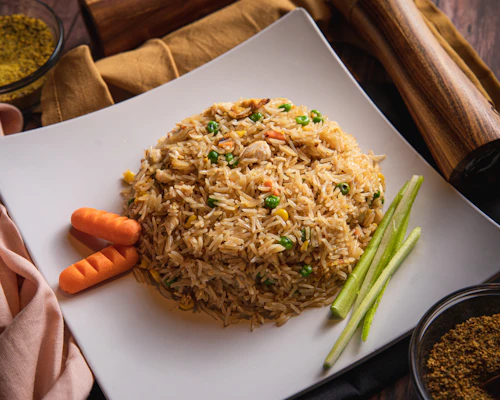
- Zanja Market area: The Zanja market and the surrounding streets serve the neighbourhood’s Chinese-Cuban community. Fried rice variations appear here that you won’t find elsewhere in Havana. Fresh produce at genuinely local prices. The tamale sellers work this block on weekday mornings from 7am.
- Neptuno between Belascoaín and Galiano: More pizza windows, a confitería selling buñuelos and churros in the morning, and a fruit juice counter that runs from 8am onwards. The guayaba juice here is excellent when it’s in season.
- Calle Infanta heading north toward the Malecón: Workers’ route toward the waterfront — multiple coffee windows, a reliable early-morning croqueta source, and a state cafeteria on the corner of Infanta and San Lázaro serving one of the cheaper lunch plates in the city.
- Galiano between Neptuno and San Miguel: Busiest commercial strip in Centro. Street vendors working the pavement selling maní (roasted peanuts in paper cones, $0.20–0.35), churros, and canned cold drinks. The tiendas on this strip sell beer and rum at the lowest prices in the neighbourhood.
- Calle Concordia near La Guarida: The famous paladar is on this block, but the street itself has a morning bakery and an evening croqueta cart that runs until 10pm. The locals eating a croqueta on the pavement outside one of Havana’s most celebrated restaurants is a useful visual summary of the price spectrum available in Cuba.


Vedado: Ice Cream, University Cafeterias, and the Malecón Evening Scene
Vedado is more residential and less dense than Centro, with a different rhythm to its street food. The university district (around Universidad de La Habana on Calle L) has a cluster of cheap cafeterias that serve students at local prices — these are among the most accessible state cafeterias for visitors because they’re used to a mixed crowd and the menu turnover is high. The big set-piece street food moment in Vedado is Coppelia.
- Coppelia, corner of La Rampa and Calle L: Cuba’s most famous ice cream park. Two to four scoops of tropical ice cream for $0.25–0.50 at local counter prices (join the queue that Cubans join, not the tourist window). Guanábana, mamey, and coconut are the flavours worth prioritising. The queue is part of the experience — it moves quickly and you’ll meet people in it.
- Calle G (Avenida de los Presidentes) between 23 and 25: Student hangout strip. Evening vendors sell cold beer, canned drinks, churros, and peanuts from folding tables. Not a formal food zone — more a gathering that happens nightly and happens to involve food. Brings together art students, families, and the occasional musician. Arrive after 7pm.
- Cafeterias around Universidad de La Habana (Calle San Lázaro and Calle L): State cafeterias serving students from 7am–3pm on weekdays. Lunch plates $1.50–2. Breakfasts (bread, egg, coffee) from $0.50. Open to anyone — the ticket system is straightforward, the portions are filling.
- La Rampa (23rd Street) and surrounding blocks: A mix of fast-food windows, ice cream counters, and cafeterias targeted at the local working population. Less interesting than Centro’s street food scene but convenient if you’re staying in Vedado and need a quick breakfast before heading out.
- The Malecón between Vedado and Old Havana (especially evenings and weekends): Mobile vendors selling maní, churros, cold drinks, and canned beer work the seafront from around 6pm. The Malecón at sunset with a cone of roasted peanuts ($0.20–0.30) is genuinely one of the better inexpensive experiences available in Havana. The vendors materialise from nowhere and disappear the same way.
“The queue at Coppelia moves faster than it looks from the outside. Inside, a fan is running, the counter staff have been doing this for years, and the ice cream is better than the building would suggest. Pay the local price and eat it standing up. Don’t take the tourist window. The waiting is the point.”
Beyond Havana: Street Food in Cuba’s Other Cities
The same food culture operates across Cuba — the bread, the croquetas, the pizza windows, the moros y cristianos — but the geography changes and with it the density and visibility of the street food. Cities that see less tourism have less tourist-price adjustment, which means you generally eat cheaper and better outside Havana simply because there’s less incentive for sellers to run two pricing systems.
- Plaza Mayor and surrounding streets (Calle Echerri, Calle Jesús Menéndez): The streets just off the main square have morning bread sellers and coffee windows that predate Trinidad’s UNESCO tourism boom. The square itself has tourist café pricing; one block back the prices drop by 60%.
- Calle Frank País (market street): The street market runs most mornings with fresh produce, juice sellers, and the local croqueta operation. Tamales appear here in the late morning — Trinidad’s tamales are denser and more generously filled than Havana’s.
- The discotheque stairs area on Calle Hernán Cortés (evenings): Street vendors cluster near the outdoor dance venue in the evenings. Cold drinks, croquetas, and chicharon (pork rind) bags sold to people coming and going from the music. The music itself from the stairs is free; the street food cost is negligible.
- Calle Salvador Cisneros (main street): Viñales is a small town and the formal street food scene is correspondingly smaller. The main street has a bakery, a cafeteria, and fruit sellers. The pizza window is easy to find — there’s only one and it’s busy.
- The town square / Parque Martí area: Evening vendors appear around the square from 6pm onwards. Cold beer, peanuts, and the occasional tamale seller. The square is the social centre of Viñales life and the best place to watch the town decompress after a day in the fields and on the trails.
- Casa particular breakfast (worth paying for): The best eating in Viñales is the breakfast at your casa — fresh fruit, eggs, bread, juice, coffee. Not street food technically, but the food culture of the valley is domestic-first. See the casa particular etiquette guide for the full picture.
- Calle Enramadas (pedestrian shopping street): Santiago’s main pedestrian street has the highest concentration of street food in the city — croqueta sellers, pizza windows, juice carts, and several cafeterias. The street food here reflects Santiago’s stronger West African culinary influence: fritas (spiced pork or beef patties), congri (rice and red beans rather than black), and more aggressive spicing throughout.
- Parque Céspedes area (evenings): The square around the cathedral fills in the evenings with vendors, musicians, and street food. Cold beer from ice buckets, croquetas from a folding table, churros from a mobile fryer. Santiago evenings are warmer and louder than Havana’s and the street food activity continues later.
- Near the Castillo del Morro (weekend afternoons): Sellers working the approach to Santiago’s fort — canned drinks, grilled corn, chicharrones. More snack than meal, but the grilled corn (maíz asado) with salt and lime is worth stopping for.
The Cuban Street Food Dish Directory
This is the full reference — every major Cuban street food item, the price range in 2026, where to typically find it, and the marker that separates a good version from a mediocre one. Use this before you go, not while you’re standing in front of a counter trying to decide.


The Full Price Table
| Item | State Stall Price | Private Seller Price | Café / Tourist Price | Best Time to Buy | Safety Rating |
|---|---|---|---|---|---|
| Cafecito cubano | $0.05–0.10 | $0.15–0.20 | $2–5 | Anytime, fresh all day | Low risk |
| Pan cubano (bread roll) | $0.05–0.15 | $0.15–0.25 | $1–2 | Before 8am (fresh) | Low risk |
| Croqueta de jamón | $0.15–0.25 | $0.25–0.50 | $1.50–3 | Fresh-from-fryer batches | Low risk if hot |
| Pizza cubana (slice) | $0.15–0.25 | $0.25–0.50 | $2–4 | Peak hours, high turnover | Low risk if fresh |
| Moros y cristianos plate | $1.50–2 | $2.50–3.50 | $8–16 | Noon–1:30pm (freshest) | Low risk |
| Tamales cubanos | $0.25–0.40 | $0.40–0.60 | $3–5 | Morning, before 11am | Low risk |
| Bocadito (sandwich) | $0.50–1 | $0.75–1.50 | $4–8 | Any time, best fresh | Low risk |
| Guarapo | N/A (all private) | $0.25–0.50 | $2–4 | Fresh pressed, any time | Check ice source |
| Raw salad garnish | Often included | Often included | Often included | Midday with plate food | Skip if cautious |
| Helado Coppelia (2 scoops) | $0.25–0.50 | $0.50–1 | $3–6 | Afternoon, join local queue | Low risk |
Budget and Practical Tips
Cuban street food is the most accessible part of the Cuba travel budget — it’s where $5 a day becomes a realistic figure rather than a theoretical floor. But getting it right requires a few practical realities in place before you start spending.
Cash and How to Carry It
Every street food transaction in Cuba is cash, always. No card readers exist at any street stall, cafeteria, or market window. Bring small denominations — having a $20 note when a croqueta costs $0.25 creates problems. Load up on small bills and coins at your hotel or casa before going out. Keep your street food budget in a separate pocket from your main cash, and treat the two as distinct — your street food wallet is for buying things throughout the day, your main cash is for accommodation and larger expenses. The Cuba cash guide covers the full picture for getting and managing money on the island.
Timing Your Eating Day
The food day in Cuba has hard edges. Bread windows from 5:30am until they sell out (often by 9am). State cafeteria lunch plates from noon until they run out (often by 2pm). Evening street food from 5pm, tapering by 9pm outside of Havana. The eating well in Cuba on $10 a day guide has the full daily schedule structure. The practical rule: eat your main meal before 1:30pm or you’re working from whatever’s left in the pot rather than the morning’s full batch.
Food Safety Without Paranoia
Cuba’s street food is not a minefield. The main practical rules: eat cooked food that’s freshly cooked, skip anything that’s been sitting under heat for an unclear number of hours, use hand sanitiser before eating, and make a judgment call about ice in drinks if you’re sensitive to it. Hot croquetas, fresh pizza, freshly cooked rice plates — all low risk by any reasonable standard. The raw salad garnish that sometimes accompanies lunch plates is the main skip-it item if you want to be cautious. Cuba is not a high-risk destination for food-related illness; the main cause of traveler stomach issues is dehydration combined with heat, not the food itself. Drink water.
- Cafecito from a window: $0.10
- Pan con mantequilla × 2 from the bakery: $0.20
- Croqueta × 3 at mid-morning: $0.60
- Pizza cubana × 2 slices at noon: $0.40
- Moros y cristianos + pork at a state cafeteria: $1.80
- Maní (peanuts) in the afternoon: $0.25
- Helado × 2 scoops at Coppelia: $0.40
- Bocadito sandwich in the evening: $0.80
- Total: $4.55 — never hungry, everything hot or fresh
Spanish Phrases That Actually Come Up
You don’t need Spanish fluency for Cuban street food — the system is point-and-pay. But a handful of phrases dramatically improve the experience:
- ¿Quién es el último? — Who’s last in the queue? (essential at any busy counter)
- Un cafecito, por favor — one coffee (arrives sweet and strong, no further specification needed)
- ¿Cuánto es? — How much is it?
- Tres croquetas — three croquettes (hold up fingers if the number isn’t coming)
- Un plato de arroz con frijoles y cerdo — a plate of rice with beans and pork (the standard cafeteria order)
- Sin hielo — without ice (useful for guarapo if you want to play it safe)
The 40 Spanish phrases that actually help in Cuba covers the full vocabulary.
Vegetarian Navigation on the Cuban Street Food Circuit
Cuban cooking is built around pork. Almost every cooking fat is lard, almost every sauce has meat in it, and moros y cristianos is typically cooked with pork fat even though the plate looks vegetarian. This is not a hospitality failure — it’s a cuisine with deep historical roots in making the most of available protein. But it does mean that navigating Cuban street food as a vegetarian requires a different approach.
What works, without modification:
- Pan cubano — the bread is vegetarian. Ask for it con mantequilla (with butter) or solo (plain).
- Fresh fruit from market stalls and juice carts — mango, papaya, guayaba, mamey. The most nutritious and the most genuinely Cuban of the options available.
- Batidos (fruit shakes) — blended with water rather than milk they’re vegan; with milk they’re vegetarian. Ask: ¿Con agua o con leche?
- Helado — Coppelia’s ice cream is dairy-based and vegetarian.
- Churros and buñuelos — fried dough; check if the oil is animal-based (sometimes is) but typically vegetarian.
- Tostones and maduros (fried plantain) — cooked in vegetable oil at most street stalls; the most filling vegetarian street food option available.
The full vegetarian food guide for Cuba covers the sit-down restaurant options and how to communicate your requirements in a way that Cuban kitchen staff understand — which requires specific phrasing rather than just the word “vegetariano.”
Cuba’s farmers’ markets — the agropecuarios — are the best option for vegetarian street food. Fresh produce sold by the piece, at prices that are genuinely negligible. A mango costs $0.05–0.10. A small bunch of bananas is $0.20–0.25 for six. Cucumber slices with lime from the prepared food section at a market are $0.10. A breakfast of fresh tropical fruit from a market, eaten on the pavement outside with a coffee from the nearest window, is one of the genuinely excellent and entirely vegetarian ways to eat in Cuba. The Egido market near the Havana train station and the Vedado market on Calle 19 are the most accessible for visitors.
📋 Cuban Street Food — Pre-Trip Preparation Checklist
- Read the queue system explanation before you arrive — ¿Quién es el último?
- Carry cash in small denominations — $1, $5, coins if available
- Keep a separate street food wallet (pocket) from your main cash
- Download Google Translate Spanish offline pack before flying
- Know the key phrases: cafecito, croquetas, ¿cuánto es?, sin hielo
- Plan to eat your main meal before 1:30pm when cafeteria stocks are full
- Bring hand sanitiser — use it before eating, especially in markets
- Note the location of your nearest agropecuario market to your accommodation
- Visit a state bakery before 8am on your first morning — the bread tells you everything
- Find Coppelia on the map before you go and queue for the local counter, not tourist window
- Identify a Centro Habana base walk (Calle San Rafael) for your street food day
- If vegetarian: identify fresh fruit markets and know your batido ordering phrase
Frequently Asked Questions
One Last Thing Before You Go Eat
The gap between Cuban street food and what most visitors actually eat is wider than it should be. The tourist restaurants on Obispo aren’t bad — some of them are genuinely good — but they’re not Cuba feeding itself. The street food is. And the street food version of Cuba is not a hardship option or a budget compromise. It’s what the city actually tastes like when it isn’t performing for anyone.
Walk to Centro Habana. Find Calle San Rafael. Have a cafecito and a croqueta before 8am and watch the neighbourhood come to life around you. Then do it again the next morning in a different spot, because Havana is big and the street food geography rewards the second and third day more than the first. That’s the method. The rest is just details.
For the broader picture of planning and eating in Cuba, the first-timer’s guide to Havana covers everything beyond the food, and the honest Cuba cost breakdown puts the street food prices in context of the full trip budget.
Published on hotelhavanaerror.com · Last updated May 2026
