Best Mountain Resorts for Summer: Hiking, Lakes and Altitude Escapes
The resorts that fill with skiers in winter transform completely between June and September — gondolas reach wildflower meadows instead of ski pistes, restaurants move tables onto sun terraces, and the trails open up routes that most visitors never know exist. The Alps, the Rockies, the Dolomites: this is when the mountains are actually at their best.
Best Mountain Resorts for Summer: Hiking, Lakes and Altitude Escapes
When the snow melts, the best mountain resorts open trails, lakes and alpine meadows that most visitors never see.
🗓 Summer 2026⏱ 15-minute read
The paradox of ski resorts: the people who’ve only been in winter have seen the infrastructure but missed the landscape. When the snow melts and the lifts start running hikers instead of skiers, the mountains reveal what they’ve been keeping underneath — wildflower meadows at 2,500 meters, crystal-clear glacial lakes that turn a specific shade of blue that photographers have spent careers trying to accurately capture, ridgelines that took a week of perfect conditions to ski safely in January but now offer a casual afternoon walk with extraordinary views in every direction.
Summer in the mountains also costs significantly less than winter. Accommodation prices in most ski resorts drop 40–60% between the December peak and July. Lift passes for gondola sightseeing and hiking access cost a fraction of their winter counterparts. Restaurants compete for summer customers with menus and terraces they’ve spent the off-season preparing. The mountain is entirely accessible in summer and substantially more affordable.
This guide covers the best mountain resorts for summer use specifically — not as an afterthought to a ski trip, but as primary summer destinations. It covers the European Alps in depth, the major North American mountain resorts, and a handful of extraordinary destinations that don’t fit either category. Activities, accommodation, timing, what to bring, and who should go where.
typical accommodation price drop from winter peak to summer season at major ski resorts
3,000+
meters above sea level where July temperatures average a perfect 15–20°C in the Alps
June–Sept
the summer hiking window in most Alpine resorts — trails typically open by mid-June
June
peak wildflower month in most Alpine meadows — before summer crowds peak in July
🌸
Why Summer Mountain Travel Is Better Than Most People Expect
The case for choosing a mountain resort in July instead of sitting on a beach
The beach holiday has a specific set of problems that nobody mentions in the brochure: the heat that makes afternoons impossible, the crowds that arrive at the same European coastal resorts at the same August window every year, the sand that gets everywhere, the feeling that you’re doing holiday correctly by sitting still. Mountain summer travel solves most of these problems simultaneously. The temperatures at altitude are 8–12°C cooler than the lowlands. The trails give you something to do with your body. The views change dramatically with every hour of the day. The evenings are genuinely pleasant rather than oppressively warm.
Mountain summer travel also connects you to the landscape in a way that winter skiing doesn’t. In January, you see the mountains from the lift and the piste — carefully managed routes through a predominantly white environment. In July, you see them at walking pace, from paths that sometimes take you through forests, sometimes over ridgelines, sometimes past lakes that are technically possible to swim in if you’re willing to accept the temperature. The same mountain at altitude is a fundamentally different place depending on the season.
European Alps: The World’s Most Developed Mountain Summer Destination
Five resorts that have invested specifically in summer infrastructure — gondolas, trails, lakes, food
A Swiss Alpine village in high summer — the infrastructure that serves skiers in winter becomes a hiking and sightseeing network when the snow retreats. Photo: Unsplash
Best OverallSwitzerland
Swiss Alps · Valais
Zermatt
📍 Valais, Switzerland · Car-free village at 1,620m
The Matterhorn doesn’t look better at any other time of year than a clear July morning when the sky is a deep Alpine blue and the peak rises above the village in its perfect pyramidal profile. Zermatt is car-free (you arrive by train), which means the village itself is genuinely pleasant to walk through rather than being crossed by traffic. The summer gondola network reaches the Klein Matterhorn at 3,883m — the highest gondola station in Europe — from where on a clear day you can see Italy, France, and Switzerland simultaneously. Below the glacier, the mountain bike trails, wildflower meadows, and the series of Alpine lakes (Stellisee, Grindjesee, Leisee) that sit at various altitudes above the village are extraordinary. The Fünf-Seen route — a five-lake hike at medium altitude — is one of the finest half-day walks in the Alps and does not require any technical ability.
Best ForEveryone
Summer PriceCHF 200–500/night
Lift Pass~CHF 85/day
AccessTrain from Visp/Brig
Most Dramatic ViewsSwitzerland
Swiss Alps · Bernese Oberland
Grindelwald / Jungfrau Region
📍 Bernese Oberland, Switzerland · Valley base at 1,034m
⛰ Jungfraujoch access: 3,454m — highest railway station in Europe
The Eiger’s north face — the 1,800-meter vertical wall that killed some of the 20th century’s finest alpinists — sits directly above Grindelwald village and can be viewed from the breakfast terrace of almost any hotel in the valley. That combination of accessibility and dramatic scale makes the Jungfrau region one of the most visited Alpine areas in the world, which is both its biggest drawcard and its main limitation. The solution: take the Jungfraujoch railway in the early morning (gates open before 8am), reach the top before the tour groups, spend an hour on the glacier, and return to the valley for hiking that bypasses the crowds entirely. The Bachalpsee lake walk from First (2,167m) is 90 minutes round trip and produces photographs that look composed. The Männlichen ridge walk to Kleine Scheidegg is three hours with Eiger, Mönch, and Jungfrau as continuous backdrop.
Best ForFamilies
Summer PriceCHF 150–400/night
JungfraujochCHF 180 (saver rate)
AccessTrain from Interlaken
Best for ActiveFrance
French Alps · Haute-Savoie
Chamonix-Mont-Blanc
📍 Haute-Savoie, France · Valley floor at 1,035m
⛰ Aiguille du Midi: 3,842m · Mont Blanc: 4,808m (guided ascent)
Chamonix in summer is the world’s most concentrated mountaineering destination — 10,000 people attempt Mont Blanc in an average season, the trail network extends for hundreds of kilometers, and the cable car to the Aiguille du Midi at 3,842m gives ordinary visitors access to one of the most extraordinary viewpoints in the Western Alps. The Mer de Glace — France’s largest glacier — is accessible by mountain railway from Chamonix and has been retreating visibly over recent decades in a way that is simultaneously scientifically fascinating and genuinely disturbing to observe. For non-climbers, the Tour du Mont Blanc is the world’s most popular multi-day hiking route, circumnavigating the massif through three countries; it’s achievable in 7–11 days at a comfortable pace. The Chamonix town itself is more functional than beautiful — it’s a working mountaineering hub — but the surrounding landscape makes the town’s aesthetic irrelevance completely forgivable.
Best ForActive / Serious Hikers
Summer Price€80–300/night
Aiguille Cable Car~€65 return
AccessTrain from Geneva 90 min
Most Dramatic SceneryItaly
Italian Dolomites · Veneto
Cortina d’Ampezzo
📍 Veneto, Italy · Town at 1,224m, surrounded by Dolomite peaks
⛰ Tofana di Mezzo summit: 3,244m · Via ferratas from 1,800m+
The Dolomites have a geological character that sets them apart from every other mountain range in Europe: the limestone pinnacles glow orange and pink in the early morning and evening light (a phenomenon called Enrosadira in the local Ladin language) in a way that makes them look continuously staged. Cortina is the Dolomites’ most glamorous base — fashion-conscious, excellent food, and a genuinely sophisticated resort character that persists through summer. The via ferrata network in the surrounding mountains is one of the most extensive in the world — iron cables and rungs bolted into the rock that allow non-technical climbers to ascend routes that would otherwise require proper alpine technique. The Cinque Torri area, easily reached by lift, is ringed by preserved WWI military installations built at 2,366m during the extraordinary mountain warfare of 1915–1918. The food situation in Cortina is exceptional — this is Italy, and Italian mountain cooking at its best is one of the underrated pleasures of alpine summer travel.
Best ForCouples
Summer Price€120–500/night
Via Ferrata€30–60 guided
AccessCar from Venice (2.5 hrs)
Best for MTBSwitzerland
Swiss Alps · Valais
Verbier
📍 Valais, Switzerland · Resort plateau at 1,500m
⛰ Mont-Fort summit: 3,328m · 400km+ of summer mountain bike trails
Verbier transforms more completely from winter to summer than perhaps any other major Alpine resort — the personality changes from luxury ski party to legitimate outdoor sports hub. The mountain bike park at Verbier is genuinely world-class: the Verbier Bike Park runs from June to October with purpose-built trails for every level, a skills area for beginners, and enduro routes that challenge professional riders. The gondola network carries bikes as well as hikers, meaning that the vertical ascent problem of mountain biking (all descent, no uphill suffering) is solved. For non-bikers, the hiking network above Verbier accesses some of the finest ridge walking in the Valais, with views into Italy’s Aosta Valley from the upper routes. The Verbier nightlife reputation (expensive, energetic, international) is somewhat quieter in summer — which depending on your preference is either a limitation or a relief.
The Best Time Window in the Alps: June Over July and August
June is the most underrated month for Alpine summer travel. The wildflowers peak in the meadows at altitude (approximately 1,800–2,400m) between late May and late June. The snow has retreated enough that all major trails are accessible. The summer tourist crowds that characterize mid-July and August haven’t arrived yet. And the prices sit in a lower shoulder-season band. The trade-off: some higher trails above 3,000m may still have snow patches in early June, and some gondola systems don’t open until mid-June. For anyone with flexibility, the June window — specifically the second and third weeks — is when the Alps are at their most beautiful and least crowded.
🇨🇦
North America: Mountain Resorts That Work in Summer
Where the Rockies, the Cascades, and the Sierra Nevada deliver extraordinary summer experiences
Whistler in summer — the world’s largest lift-served mountain bike park operates from June to October, with 80+ trail options for every skill level. Photo: UnsplashLake Louise, Banff — the turquoise colour comes from glacial sediment suspended in the water and genuinely doesn’t look real until you’re standing in front of it. Photo: Unsplash
Best NA Mountain BikeCanada
British Columbia · Coast Mountains
Whistler Blackcomb
📍 Whistler, BC, Canada · Resort at 675m base, peaks to 2,182m
⛰ Peak 2 Peak Gondola: 2,182m · 4,900m span between Whistler and Blackcomb peaks
Whistler’s summer claim is the world’s largest lift-served mountain bike park — 80+ trails covering over 60km of purpose-built riding, from beginner-friendly flow tracks to the terrifying A-Line and Dirt Merchant descents that make experienced riders genuinely hesitate before dropping in. The Peak 2 Peak Gondola, which crosses the 4.4km gap between Whistler and Blackcomb peaks at 436m above the valley, remains one of the engineering wonders of mountain infrastructure regardless of season — in summer it carries hikers who access the genuinely remote high alpine terrain between the two mountains. The lost lake trail network immediately accessible from Whistler Village is free to hike and mountain bike on, making the overall Whistler summer experience more affordable than most first-time visitors expect. Village atmosphere in summer is genuinely good — farmers markets, outdoor concerts, and the specific combination of mountain town and outdoor sports culture that defines the Whistler character.
Best ForMountain Bikers, Hikers
Summer PriceCAD $200–600/night
Bike Park Pass~CAD $70/day
AccessBus/car from Vancouver 2hr
Most Scenic LakesCanada
Alberta · Canadian Rockies
Banff / Lake Louise
📍 Banff National Park, Alberta, Canada · Banff town at 1,383m
⛰ Sunshine Village: 2,730m · Lake Louise Gondola: 2,088m
Lake Louise is turquoise in a way that genuinely doesn’t look accurate from photographs. The colour comes from glacial rock flour suspended in the water — fine particles ground from the bedrock by the Bow Glacier above — which reflects light at the specific wavelength that produces that colour. Seeing it for the first time in person, most visitors’ immediate reaction is to think a photographer has altered it. The wider Banff National Park is home to 1,600km of maintained hiking trails across genuinely wild Rocky Mountain terrain, with wildlife encounters (grizzly bears, elk, moose) that are possible on many routes. The Icefields Parkway — the 232km drive from Lake Louise to Jasper — is one of the most scenic road journeys in North America and can be driven in a day or taken slowly over three with stops at the Athabasca Glacier, Bow Lake, and Peyto Lake along the way. Banff town itself is thoroughly tourist-oriented but functional and well-served with accommodation at all budget levels.
Best ForScenery, Families, Wildlife
Summer PriceCAD $150–500/night
Park PassCAD $72/week (vehicle)
AccessCar from Calgary 1.5hr
Most CulturalUSA
Colorado · Rocky Mountains
Aspen
📍 Pitkin County, Colorado, USA · Town at 2,438m
⛰ Snowmass Summit: 3,813m · 37km of maintained town trails
Aspen in summer is one of North America’s most surprising mountain destinations because it adds a cultural dimension that most mountain resorts don’t attempt: the Aspen Music Festival runs through July with performances from world-class classical musicians in an open-sided tent with mountain views; the Aspen Ideas Festival brings speakers from across business, science, and politics; gallery openings and food events fill the shoulder season weeks. The hiking on the Maroon Bells trail — two 14,000-foot peaks reflected in an alpine lake — is arguably the most photographed landscape in Colorado and justifiably so. The altitude (town sits at 2,438m / 8,000 feet) means visitors who’ve been at sea level need a day of acclimatization before attempting anything strenuous. The cost of Aspen in summer is significantly below winter but still positions firmly in the luxury bracket — expect $350–800 per night for anything decent in the town.
Beyond the Alps and Rockies: Mountain Summer Destinations Worth the Journey
Three destinations that deliver mountain summer experiences the mainstream circuit doesn’t cover
Queenstown, New Zealand — Winter Here Is Summer There (June–August)
New Zealand’s Southern Hemisphere position means that when Europe and North America are having winter, Queenstown is in its summer season — which for ski purposes runs June through August. More relevantly for this guide: when Northern Hemisphere summer arrives (December–March), Queenstown is in its late summer and autumn, with hiking conditions that are often better than high season on the trails around the Remarkables and Coronet Peak. The Routeburn Track, Milford Track, and Kepler Track — three of New Zealand’s Great Walks — are accessible from a Queenstown or Te Anau base and offer multi-day alpine experiences in landscapes that have very little Northern Hemisphere competition for dramatic scale. Queenstown also has the specific advantage of being an adventure sports hub year-round: bungee jumping, jet boating, whitewater rafting, paragliding, and lake kayaking are all available regardless of season.
Tbilisi and the Georgian Caucasus — Europe’s Most Underrated Mountain Region
The Caucasus Mountains in Georgia have been quietly attracting hikers who’ve exhausted the popular Alpine circuits. The Kazbegi region — accessible via the Georgian Military Highway from Tbilisi (2.5 hours) — offers high Caucasus hiking at dramatically lower cost than any Western European equivalent, with guesthouses in mountain villages charging $20–40 per person including dinner. The Gergeti Trinity Church, perched at 2,170m beneath the 5,047m peak of Mount Kazbegi (Mkinvartsveri), is one of the most extraordinary religious buildings in the world by virtue of its setting alone. The hiking from Stepantsminda village accesses wild terrain that feels genuinely remote rather than resort-managed, and the cultural experience of the Georgian mountain villages — the food, the wine, the hospitality — adds a dimension that no ski resort can replicate.
Cuba’s Mountain Interior — A Tropical Highland Alternative
Cuba’s Sierra Maestra and Topes de Collantes cloud forest offer a genuinely different version of mountain travel — tropical highland rather than alpine, with waterfalls, orchid-covered cloud forest, and endemic bird species rather than glacier views. The comparison to the Alps or Rockies is obviously apples and oranges, but for travelers planning a Caribbean visit who want mountains alongside beaches, Cuba’s mountain interior is substantive enough to deserve serious planning time. Topes de Collantes above Trinidad gives you waterfalls, cloud forest hiking, and historic coffee plantations within a two-hour drive of the Caribbean coast.
Nine activities that define summer mountain travel — from gentle walks to serious multi-day expeditions
A mid-altitude summer trail in the Alps — the combination of established path, manageable gradient, and extraordinary views is the core of summer mountain hiking. Photo: Unsplash
🥾
Day Hiking
The core summer mountain activity. From 2-hour family walks on groomed paths to full-day ridge traverses for experienced walkers. Most resort gondolas include hiking access.
🚴
Mountain Biking
Whistler, Verbier, and Chamonix all operate lift-served bike parks from June through October. Rental equipment available at all major bike park resorts from approximately €40–70/day.
🏊
Alpine Lake Swimming
The bravest summer mountain activity — glacial lakes typically range from 12–18°C in July and August. Popular lakes near resorts often have designated swimming areas. Genuinely cold, genuinely exhilarating.
🪂
Paragliding
Tandem paragliding with a licensed pilot requires no experience and is available at virtually every major Alpine resort. A standard 20-30 minute flight runs €80–150. Chamonix and Verbier have particularly good launch conditions.
🧗
Via Ferrata
Iron-cable-assisted mountain routes bridging the gap between hiking and technical climbing. The Dolomites have the world’s most extensive via ferrata network. Harness and helmet rental: €20–30; guided half-day: €80–150.
🎿
Summer Glacier Skiing
Zermatt, Saas-Fee, and Les Deux Alpes maintain ski areas on high glaciers through summer. Not the main reason to visit but available for skiers who want year-round access. Typically 10–15km of marked terrain.
🦅
Wildlife Watching
Alpine summer brings ibex, chamois, marmots, and eagle activity to easily accessible altitudes. Dawn and dusk are prime observation times. Banff and Zermatt both have excellent wildlife observation without specialist access.
🏔
Multi-Day Trekking
Tour du Mont Blanc (7–11 days), Haute Route Chamonix to Zermatt (12 days), and Alta Via routes in the Dolomites (5–10 days) are the marquee Alpine long-distance routes. Mountain huts provide accommodation throughout.
🌺
Wildflower Walks
Late June at 1,800–2,400m elevation is when Alpine meadows reach peak wildflower density. Gentians, edelweiss, Alpine roses, and dozens of other species cover the upper meadows in a short but extraordinary annual display.
⛈
Afternoon Thunderstorms: The Single Most Important Mountain Safety Rule
In the Alps, Rockies, and most other major mountain ranges, afternoon thunderstorms are a structural seasonal feature between July and September. The heating of the lower valleys creates unstable air that rises, and by 2–3pm in peak summer, electrical storms can develop with very little warning on ridgelines and summit areas. The rule is simple and universal: plan strenuous or exposed hikes for morning departure, aim to be below treeline or in shelter by 1pm, and never be on a ridge or summit approach after midday in uncertain weather. This is not cautious overcorrection — it’s how local guides operate. Deaths from lightning strikes on Alpine ridges happen every season, almost universally to people who ignored this timing.
From mountain huts to luxury chalet hotels — the full accommodation landscape
Summer mountain accommodation runs a broader spectrum than winter. The ski season demands proximity to lifts and runs — meaning concentrated resort-center accommodation at high prices. Summer releases this constraint and opens up a wider range of bases: valley villages below the resort, mountain huts accessible only on foot, guesthouses in satellite communities that share the resort’s lift network but not its room rates.
Mountain Huts (Rifugios / Bergasthaus)
Alpine huts — rifugios in Italian (Dolomites), Berghütten in German (Austria, Switzerland), refuges in French — are the most characteristically mountain accommodation option and the most underused by visitors who haven’t discovered them. Run by the Alpine clubs and private families, they sit at 2,000–3,000m and offer dormitory beds (€25–50 per person) or private rooms (€60–120 per person) with dinner and breakfast included in most cases. The food in Italian rifugios is outstanding — pasta made in a kitchen at 2,600m, polenta, fresh bread — because Italian mountain culture takes food seriously at any altitude. Staying in a rifugio means you’re positioned for early morning starts before the day crowds arrive on the trails, you fall asleep to complete silence, and you see the mountains in light conditions that valley-based visitors never reach.
Boutique Chalets
The summer chalet market has grown significantly across the Alps. Private chalets — typically rented weekly, sleeping 6–12 people, with full kitchen, outdoor space, and some combination of hot tub, sauna, and mountain view — represent some of the best value in summer mountain accommodation for groups. A chalet sleeping eight in Chamonix runs €3,000–6,000 per week in July — €375–750 per person per week, including a full kitchen that eliminates restaurant costs. The same chalet in December costs two to three times as much.
→ Mountain huts (rifugios) + valley hostels for rest nights
A week doing the Tour du Mont Blanc staying in mountain huts runs €600–900 all-in including all meals. This is better value than any lowland equivalent.
Mountain Bikers
→ Whistler Village lodge / Verbier resort apartment for daily bike park access
Proximity to bike park entry matters more than scenic views. Book within 10 minutes of the gondola base for maximum trail time.
Couples / Honeymooners
→ Boutique hotel in Zermatt or Cortina with mountain view room
Summer pricing at genuinely romantic Alpine hotels is 40–60% below winter. The same room that costs €600/night in February is €200–300 in July.
Families with Children
→ Self-catering apartment in Grindelwald or Chamonix Valley
Self-catering eliminates restaurant cost multiplied by number of children. Grindelwald has excellent family trail infrastructure and the Jungfrau railway keeps children engaged.
Quick Comparison: All Mountain Resorts at a Glance
Key facts on every resort covered — use this to narrow down your choice
Resort
Country
Best For
Summer Price Range
Key Activity
Access
Zermatt
Switzerland
Everyone
CHF 200–500/night
Hiking, Matterhorn views, 5-lake route
Train from Visp
Grindelwald / Jungfrau
Switzerland
Families
CHF 150–400/night
Jungfraujoch, Bachalpsee lake walk
Train from Interlaken
Chamonix
France
Active / TMB hikers
€80–300/night
Tour du Mont Blanc, climbing, paragliding
Train from Geneva
Cortina d’Ampezzo
Italy
Couples
€120–500/night
Via ferrata, Dolomite scenery, food
Car from Venice
Verbier
Switzerland
Mountain bikers
CHF 180–500/night
World-class bike park, ridge hiking
Car/bus from Martigny
Whistler
Canada
MTB + hiking
CAD $200–600/night
Largest lift-served bike park, Peak 2 Peak
Bus/car from Vancouver
Banff / Lake Louise
Canada
Scenery + families
CAD $150–500/night
Turquoise lakes, wildlife, Icefields Pkwy
Car from Calgary
Aspen
USA
Culture + luxury
$350–800/night
Music festival, Maroon Bells hiking
Fly ASE or drive Denver
“The mountains in summer are where they keep the secret they’ve been hiding all winter under the snow. The flowers, the lakes, the actual green of a proper Alpine meadow at 2,000 meters — winter visitors have seen the architecture of the mountain. Summer visitors see what it’s actually for.”
🧳
Practical Planning: What to Know Before You Book
Flights, packing, altitude, insurance, and how to find mountain travel deals
Getting to the Mountains: Flights and Error Fares
Flying to the Alps typically means flying into Geneva, Zurich, Innsbruck, Nice, or Munich and then connecting by train or car. Geneva is the best gateway for both the Swiss and French Alps — 90 minutes to Chamonix, 90 minutes to Verbier with a connection, under 3 hours to Zermatt. Zurich serves the Grindelwald and Jungfrau region best. For the Dolomites, Venice or Innsbruck are the most practical airports. North American mountain resorts are reached via their nearest regional airport (Aspen/Snowmass has its own airport; Whistler via Vancouver; Banff via Calgary).
Mountain resort flights — particularly to Geneva, Innsbruck, and regional Alpine airports — do produce error fares periodically, particularly in the spring and early summer shoulder season. Setting alerts for these routes well ahead of a planned June or July trip occasionally produces extraordinary results.
Most Alpine resorts sit at 1,000–2,000m at the valley floor, well below the altitude where serious acclimatization is needed. However, gondolas can carry visitors from 1,200m to 3,800m in under 30 minutes — a vertical ascent that the body needs time to adjust to. The common effects of rapid altitude gain: mild headache, slight breathlessness, reduced exercise capacity. Allow 30–60 minutes at altitude before attempting strenuous activity after a gondola ascent. Drink more water than usual. Alcohol has more effect at altitude. Anyone with cardiovascular conditions should consult a doctor before planning activities above 3,000m.
What to Pack for Summer Mountains
The non-negotiable items for summer mountain hiking that casual visitors consistently fail to bring: waterproof jacket (afternoon rain is not optional in summer mountains), sun protection at altitude (UV intensity increases significantly above 2,000m — SPF 50 minimum), hiking boots or trail shoes with ankle support (mountain paths are uneven in ways that flat city shoes handle badly), and at least two layers of thermal base, because temperatures drop 6°C for every 1,000m of altitude and a morning that was warm in the village can be cold on the ridge by midday.
Book accommodation 6–10 weeks ahead — quality options fill in late spring
Set flight price alerts 3–4 months ahead for Alpine gateway airports
Waterproof jacket packed — afternoon storms are structural, not occasional
Sun protection SPF 50+ — altitude UV intensity is significantly higher than sea level
Hiking boots or trail shoes with ankle support — mountain paths punish flat shoes
Thermal layer for altitude — temperature drops 6°C per 1,000m gain
Travel insurance with adventure activities cover — hiking, MTB, via ferrata all require specific cover
Mountain rescue insurance — Mountain Rescue Switzerland, Alpine Club membership, or equivalent
Plan strenuous hikes for morning — be below treeline or in shelter by 1pm
Download offline trail maps before heading out — mobile coverage is patchy on ridgelines
Rifugio / mountain hut bookings made ahead for multi-day routes — these fill weeks in advance in July
Check trail opening dates — some high routes don’t fully clear until mid-June
❓
Frequently Asked Questions
The questions people ask before planning a summer mountain trip for the first time
Is summer really cheaper than winter at ski resorts?
Yes, significantly. Most Alpine resorts see accommodation prices 40–60% lower in July than in January. Lift passes for gondola hiking access typically cost 30–50% of the equivalent winter ski pass. Restaurants may have slightly lower volumes and moderate pricing in summer. The exception: August in some resorts — particularly French and Italian resorts — can approach winter pricing as European domestic vacation demand peaks. June and September are consistently the most affordable shoulder months with good weather.
Do you need to be a good hiker to enjoy summer mountain resorts?
No. The gondola and cable car networks that serve ski resorts in winter operate in summer for hiking access, meaning you can ride to 2,500m and walk on well-maintained paths without any fitness requirement beyond the ability to walk for a couple of hours. The five-lake route in Zermatt, the Bachalpsee walk in Grindelwald, and the Lac Blanc walk in Chamonix are all accessible to anyone who walks regularly. More demanding hikes exist for people who want them, but the core summer mountain experience at major resorts doesn’t require specialist fitness or technical ability.
What’s the best month for summer mountain travel in the Alps?
Late June is the most consistently excellent month: wildflowers at peak, crowds not yet at July/August levels, pricing still in shoulder-season territory, and weather typically stable. Mid-July through mid-August is peak season — excellent weather but highest prices and busiest trails. September is the sleeper month: all trails fully accessible, wildflowers replaced by autumn berries and changing larch colours, significantly reduced crowds, and weather often more stable than July. Snow can arrive in October at altitude, making September the effective end of the comfortable hiking season.
Is it worth paying for a gondola pass for summer hiking, or can you just hike up?
The gondola pass question depends on your fitness level and how much you value altitude gain. Most resort gondolas charge €20–40 per single ascent or €50–85 for a day pass. For casual visitors who want to experience the high alpine environment without a serious ascent, the gondola is absolutely worth it — particularly for the Jungfraujoch or Aiguille du Midi, which require gondola access regardless of fitness level. For serious hikers who plan to do full-day routes that involve significant vertical gain, walking up is often more rewarding and saves the pass cost. Most experienced mountain travelers use gondolas selectively — riding up on the first visit to a new area, hiking down (or up adjacent routes) once they understand the terrain.
How far in advance should I book mountain huts (rifugios / Berghütten)?
For the most popular routes — Tour du Mont Blanc, Haute Route, Dolomite Alta Via 1 and 2 — book as far ahead as the booking system allows, which is typically January or February for the following summer. Peak hut dates on the TMB (mid-July to mid-August) fill within days of opening. For less popular routes or shoulder-month travel (June, September), booking 4–6 weeks ahead is usually sufficient. All major Alpine huts now have online booking systems through the relevant Alpine club websites or their own property pages. Never assume a hut will have space without a reservation in peak season.
Are mountain summer destinations more expensive than beach destinations?
In absolute terms, major Alpine resorts in July are comparable to or slightly more expensive than Mediterranean beach destinations of equivalent quality. However, the cost structure is different: accommodation often includes breakfast (which Alpine mountain stays frequently build in), gondola passes replace the beach bar tab, and mountain hiking eliminates the waterpark/boat rental/restaurant overhead that beach days accumulate. A family of four spending a week in Grindelwald self-catering will likely spend less than the same family at a similarly-rated Côte d’Azur resort. The perception that mountains are more expensive than beaches in summer is partly legacy — it was true when winter ski pricing defined the baseline. Summer has substantially reset that equation.
Before you decide: Alps, Rockies, or somewhere else entirely?
The European Alps are the most developed mountain summer infrastructure in the world — the gondola networks, the trail systems, the mountain huts, the public transport connections — and for a first summer mountain trip, any of the Swiss or French resorts will exceed expectations. The North American options offer bigger wilderness and less predictable weather. The emerging destinations — the Caucasus, the Carpathians — offer significantly lower costs and a frontier character that the major resorts can’t replicate.
The most useful question to ask before booking: what do you actually want to do in the mountains? Casual gondola sightseeing with great meals? Choose Zermatt or Cortina. Serious multi-day trekking? Chamonix and the TMB. Mountain biking? Whistler or Verbier. Extraordinary lake scenery? Banff or Grindelwald. Budget mountain experience? Rifugio-based hiking in the Dolomites or trekking in Georgia.
The mountain summer answer is different for everyone. But almost everyone who tries it — after a decade of August beach holidays — wonders why they waited.
Shahidur Rahaman is a travel blogger and enthusiast based in the vibrant city of Havana, Cuba. Captivated by the world's hidden corners and colorful cultures, he writes with a passion for authentic experiences and meaningful connections made on the road. When he's not planning his next adventure, Shahidur calls the lively streets of Havana home — a city that fuels his love for storytelling every single day.


 Best Overall
Switzerland
Best Overall
Switzerland Most Dramatic Views
Switzerland
Most Dramatic Views
Switzerland Best for Active
France
Best for Active
France Most Dramatic Scenery
Italy
Most Dramatic Scenery
Italy Best for MTB
Switzerland
Best for MTB
Switzerland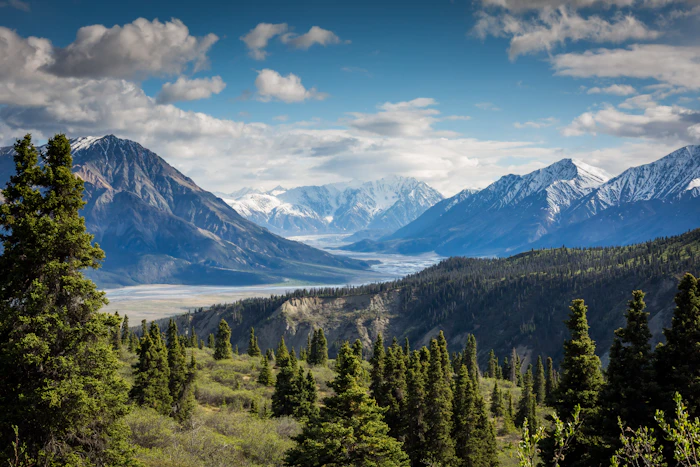

 Best NA Mountain Bike
Canada
Best NA Mountain Bike
Canada Most Scenic Lakes
Canada
Most Scenic Lakes
Canada Most Cultural
USA
Most Cultural
USA
