
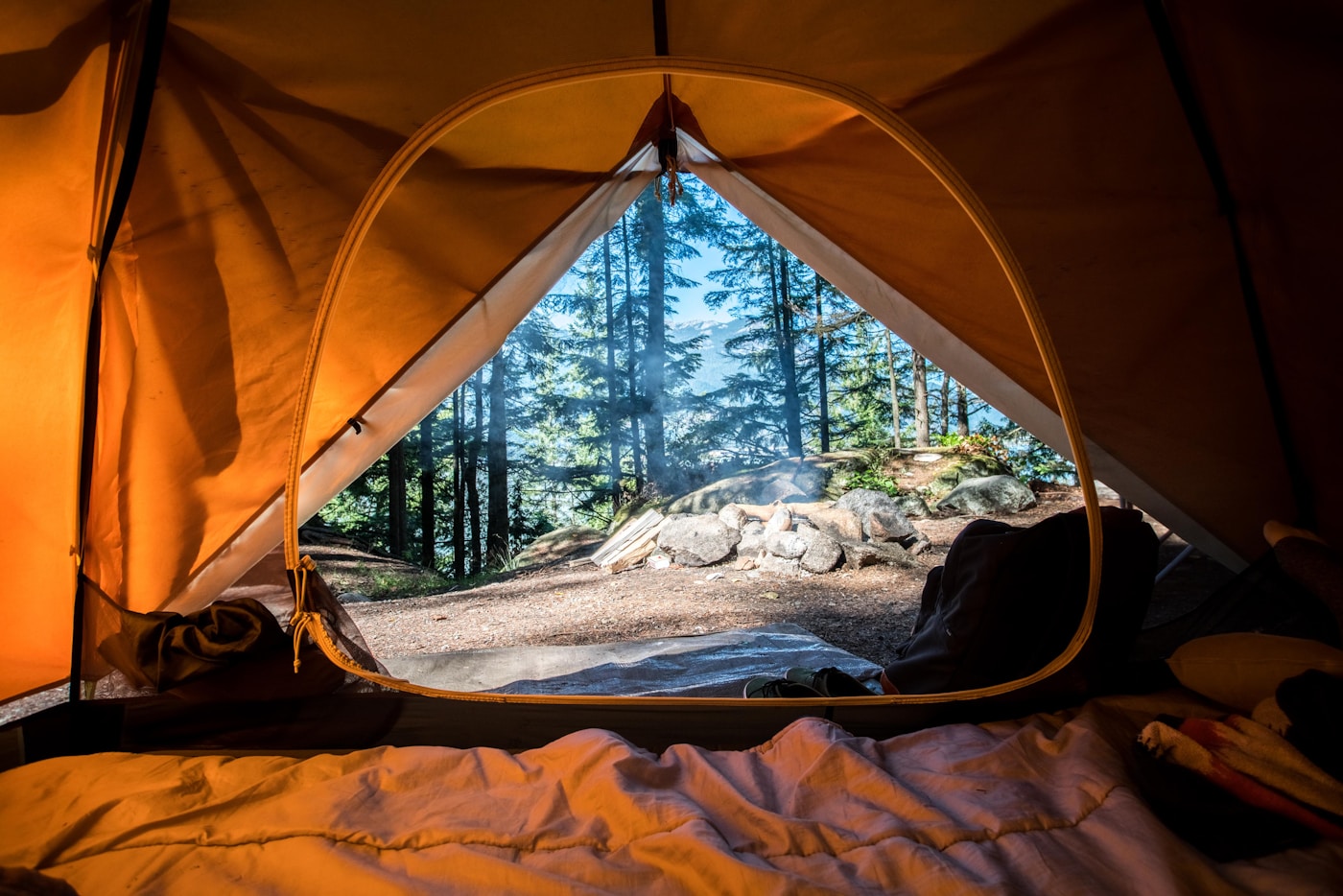
Glamping Cuba:
Eco Cabins & Nature Stays
Worth Booking
Most Cuba travel writing is about Havana. Rightly so — the city earns it. But there’s another Cuba entirely that exists once you leave the Malecón behind: a country of limestone mogotes rising out of tobacco fields, coral-ringed mangrove coastlines, cloud forests with endemic birds that exist nowhere else on earth, and cave systems that stretch for kilometers under the karst hills of the west.
Sleeping in this Cuba looks different from sleeping in Havana. The boutique hotel model doesn’t translate to a hillside farm in Viñales or a stilted cabin over a mangrove lagoon in Zapata. What you find instead is something more interesting: a combination of state-run ecotourism facilities, privately run rural casas with genuine outdoor infrastructure, and a small but growing selection of proper glamping setups that would hold their own against anything in Costa Rica or southern Mexico.
This guide covers the real options, region by region. Not every property on this list is technically “glamping” in the Instagram sense of the word — some are simpler, some are more basic than the photos suggest. But every one of them puts you in a part of Cuba that most visitors never reach, and that’s the whole point of leaving Havana in the first place.
- Why nature stays in Cuba are genuinely different
- Viñales Valley — tobacco country, mogote views
- Zapata Peninsula — birdwatching & mangroves
- Topes de Collantes — cloud forest, waterfalls
- Baracoa — jungle coast, cacao farms
- Offshore Cayos — over-water & beach glamping
- What to actually expect at Cuban eco stays
- What to pack for nature stays in Cuba
- Best time of year for each region
- Full comparison table
Why nature stays in Cuba are genuinely different
Cuba has been ecologically isolated from global development pressures for decades. That’s a political and economic reality with enormous human costs — but one side effect is that the country’s ecosystems are in far better shape than most of the Caribbean. The Zapata Swamp is the largest wetland in the Caribbean. Cuba has 350+ bird species, 28 of them endemic. The coral reefs off the southern keys — Jardines de la Reina — are among the least-damaged in the Atlantic. The Alejandro de Humboldt National Park in eastern Cuba holds one of the most biodiverse patches of land in the entire hemisphere.
None of this is the result of conservation planning alone. It happened partly by circumstance. But the result is real: when you go glamping or nature-staying in Cuba, you are sitting inside ecosystems of genuine global significance. The bird that lands on your cabin railing in Viñales might be a Cuban trogon — the national bird, a species that looks like it was designed by a committee asked to produce something impossibly beautiful. The frog chorus outside your cabin in Topes is a sound you won’t hear at the same volume and variety anywhere else this side of the Amazon.
“The Cuban countryside didn’t get developed the way the rest of the Caribbean did. The silence out there is a real thing, not a marketing concept.”
The infrastructure caveat: eco-tourism facilities in Cuba are a mixed bag. Some are excellent — thoughtfully designed, well-maintained, with guides who genuinely know the land. Others are state-run facilities with good bones and patchy upkeep. The honest approach is to assess each property individually rather than assuming a category. What they share, even when the facilities are modest, is location — and in Cuba’s countryside, location covers a lot.

Viñales is the most visited non-Havana destination in Cuba, and for good reason. The valley sits inside a UNESCO World Heritage landscape — the mogotes, those steep-sided limestone towers draped in forest and tobacco fields, are formations that took millions of years to produce and look exactly like nobody’s idea of the Caribbean. The light in the early morning, when mist fills the lower valley and the first ox-carts move through the tobacco rows, is the kind of thing that makes photographers leave their cameras down because they know they can’t capture it.

Set two kilometers north of Viñales town, on the road toward the Puerto Esperanza coast, Rancho San Vicente occupies a slot in the valley that feels tucked away even though it’s not hard to find. The wooden cabins are set among trees on a gently sloped hillside with views toward the mogotes — the style is basic-but-deliberate: tiled floors, ceiling fans, double beds with mosquito nets, and a porch on each cabin with two chairs and enough space to set up a hammock if you bring your own.
The setting’s anchor is the natural pool fed by mineral-rich springs — sulfurous water that looks odd but feels remarkably good after a day of hiking. There’s a restaurant serving Cuban staples: rice, black beans, lechón, whatever the kitchen has that day. It’s fine — not exceptional — and the paladares in Viñales town are better, but the convenience of eating on site after a long day’s walk makes it easy to appreciate.
Sunrise from the cabin porch is worth setting an alarm for. The valley fills with light from east to west over about forty minutes, starting with the highest mogote faces going orange while everything below stays blue-grey. You’ll see this from no hotel in Havana. That’s the whole point of coming here.

A working tobacco finca with three guest cabins on the eastern slope of the valley, about a kilometer from the main road down a track that’s navigable in a regular car if you’re careful. The owner — a third-generation veguero — runs the farm and manages the accommodation himself, which means your guide through the tobacco process is the actual tobacco grower. That’s a different experience from a tour-group visit to a demonstration farm on the main tourist circuit.
The cabins themselves are simple but genuinely glamping-grade: raised wooden platforms, good mattresses, solar-powered lighting, outdoor showers with hot water heated by a wood-fired system that the owner fires up each evening. The glamping infrastructure here is newer than you’d expect — properly thought through rather than retrofitted onto an existing farm building.
Dinner is cooked by the owner’s family and eaten at a long table with whoever else is staying — usually two or three other travelers. The food is proper Cuban home cooking at a standard that no restaurant in Viñales town matches in terms of how it feels. You’re eating what the family eats, grown on the land you’re looking at. That context matters more than any five-star plating ever could. Book through direct contact — availability isn’t always listed on booking platforms.

The Zapata Peninsula is not on most Cuba itineraries and that’s a mistake. This is the largest wetland in the entire Caribbean — a mosaic of mangrove lagoons, freshwater marshes, flooded forests, and coastal scrub that holds more bird species than any other single habitat in Cuba. The Bay of Pigs is on the southern coast; Playa Girón, where the CIA-backed invasion came ashore in 1961, is still there with a small museum that presents the event exactly as you’d expect a Cuban state museum to present it. The flamingo colonies on the northern lagoons are vast. The road through the swamp is one of the most disorienting drives in the Caribbean — dead straight for 50 kilometers with nothing on either side but wetland and crocodiles on the verge.

Reached by motorboat from the dock at Boca de Guamá, Villa Guamá is a village-style resort built on small artificial islands in Laguna del Tesoro — the largest natural lake in Cuba. The thatched wooden cabins sit on stilts over the water, connected by wooden walkways. From a distance it looks like something designed by a mid-century Havana architect who’d been to Southeast Asia and came home inspired. Up close it’s a state-run property that’s seen better days in parts, but the setting is so extraordinary that the occasional maintenance gap doesn’t change much.
Wake up here and the first sounds are the birds — royal terns, roseate spoonbills, the occasional bee hummingbird (smallest bird in the world; Cuba is the only place it exists) whirring past at eye level. Arrange a boat tour of the lagoon at 5:30am before the day heats up and the bird activity drops. The guides here are genuine birding specialists — this is the only part of Cuba where you’re likely to encounter ornithologists who know every endemic species by call. That kind of expertise is worth the state-property trade-offs.
The crocodile breeding center at Boca de Guamá is worth an hour before you take the boat out — Cuba has its own endemic crocodile species (Crocodylus rhombifer, critically endangered elsewhere) and the center is a real conservation operation, not a zoo. The gift shop sells crocodile leather goods that you should probably not import back to most countries, which the staff will not mention and you’ll need to figure out yourself.

An hour’s drive north of Trinidad into the Escambray Mountains, the temperature drops and the forest closes in. Topes de Collantes sits at around 800 meters altitude — enough to be meaningfully cooler than the coast, enough to generate its own microclimate of mist and rain that produces a lush, dense cloud forest unlike anything in the lowlands. There are waterfalls here that require a proper hike to reach and reward you with swimming holes cut into limestone that look like they were designed as a set. The birding is different from Zapata — higher altitude species, including the Cuban solitaire whose song is one of the more astonishing things in Caribbean ornithology.

The Kurhotel is a Soviet-era sanatorium turned ecotourism facility — a sentence that tells you both everything and nothing. The main building is the architectural artifact of a particular Cold War moment: concrete, utilitarian, built on a scale that says it wasn’t designed for boutique tourism. But the cabin accommodations scattered through the forest around the main building are something different. These are smaller, quieter, and positioned in the trees in a way that makes you feel properly inside the forest rather than adjacent to it.
The trails fan out from here — Caburní waterfall (the main trail, three hours return, two river crossings, worth every muddy minute), Vegas Grandes (longer, quieter, better birding), El Rocío (shorter, suitable for anyone with reasonable fitness). The facility provides guides and the guides know the trails well. Go with a guide on your first day before you try to navigate independently — the tracks branch confusingly and the forest looks the same in every direction after an hour’s walking.
The temperature differential from the coast is the feature that doesn’t photograph well but matters enormously in practice. Coming up from 35°C Trinidad in July to 22°C Topes is like someone turned a dial. Sleeping under a blanket in Cuba in July is a minor miracle you didn’t know you needed until you’ve done it.

Baracoa is Cuba’s oldest colonial town — founded in 1511, cut off from the rest of the country by mountains for 400 years, connected to the modern road network only in the 1960s when Castro built La Farola highway through the Sierra del Purial. That isolation shaped everything: a distinct food culture (chocolate and coconut are used in savory dishes here, which doesn’t exist in the rest of Cuba), a landscape of rivers and rainforest that differs completely from Viñales or the Escambray, and a feeling of genuine remoteness that the more visited parts of Cuba can’t replicate even when they try.

El Yunque is the flat-topped mountain that defines Baracoa’s skyline — the only table mountain in Cuba, visible from the coast, and sacred to the Taíno people who were here before Columbus. The campismo at its base, on the bank of the Río Toa (Cuba’s largest river by volume), is a state-run facility that does genuinely well what state-run Cuban nature facilities often don’t: it maintains the trails, the guides know the ecology, and the accommodation — wooden cabins with screened windows and a porch over the river — is basic in a way that feels appropriate rather than neglected.
The hike to the summit of El Yunque is four to five hours return, requiring a guide (mandatory, not optional — the park enforces this and the trail is not signposted), and delivers views from the plateau that take in the full eastern coastline of Cuba from Baracoa westward. Below you on the Río Toa, manatees still inhabit the lower river. The forest on the slopes holds polymita snails — land snails with shells so extravagantly patterned and colored that they look painted. They are endemic to this corner of Cuba and exist nowhere else.
Food here is camp-style and basic. Bring your own provisions from Baracoa — there’s a market in town and the local food is genuinely excellent (the cucurucho, a coconut-and-cacao sweet wrapped in palm leaf, is a Baracoa specialty you should eat every day you’re here). The river swimming at dusk, with the forest soundtrack peaking as the light goes, is one of those experiences you’ll describe badly to everyone when you get home because no version of it that fits into a conversation does it justice.

Finca Duaba is a working cacao farm that receives overnight guests in a small number of cabins on the property — three rooms in total, all basic, all surrounded by cacao trees, all within hearing distance of the Río Duaba. The farm produces cacao for local chocolate production and the owner runs tours of the process: harvesting pods, fermentation, drying, roasting. If you’ve ever wondered how cacao goes from the tree to the bar, this is where you find out in a way that no museum exhibit or chocolate factory tour can replicate.
The food served here is Baracoa-style: coconut milk in the rice, fresh chocolate drinks that taste nothing like the packaged hot chocolate you’ve had before, seafood from the nearby coast, root vegetables from the farm. The breakfast is one of the better things you can eat for $5 in Cuba — fruit, fresh bread, eggs, strong coffee, and a small cup of drinking chocolate made from the farm’s own beans.
This is not a sophisticated glamping setup. The cabins are simple, there’s no pool, and the Wi-Fi is genuinely non-existent. But the experience of spending two days on a working cacao farm in the most biodiverse corner of Cuba, eating food grown or caught within five kilometers, is a particular kind of luxury that the hotel tier can’t replicate with any amount of thread count.

Cuba’s offshore keys — the cayos — are a different world from the mainland. Cayo Coco, Cayo Guillermo, Cayo Santa María in the north; the extraordinary Jardines de la Reina (Gardens of the Queen) in the south — these are flat coral islands of white sand, mangrove, and reef that rank among the most ecologically intact coastal environments in the Caribbean. The all-inclusive hotel chains have colonized the northern cayos substantially, but there are pockets of nature-stay accommodation that sit inside the same landscape without the resort infrastructure.

Jardines de la Reina is a restricted marine park — you cannot reach it independently. All access is through licensed operators, of which Avalon is the largest and most established. Their liveaboard fleet — floating hotels moored in the protected waters of the marine park — is the only way to actually stay inside this ecosystem rather than day-tripping to it, and the difference matters enormously. The reef at first light, before any other boats have arrived and the water is glass-calm, is not something you access on a day trip from the mainland.
The reefs here have shark populations — Caribbean reef sharks, silky sharks, occasionally bull sharks at the right season — that have been functionally eliminated from most other Cuban coastal zones. Seeing a reef shark in the wild on a properly healthy coral reef is a reminder of what the rest of the Caribbean used to look like. The coral cover is extraordinary: elkhorn, staghorn, brain coral formations the size of a small car. The fish biomass is visibly higher than on any reef you’ll access from shore anywhere in Cuba.
This is the most expensive option on this list. Liveaboard packages typically run 4–7 nights all-inclusive (accommodation, meals, diving). The cost is high by Cuban standards but reasonable by international liveaboard standards — and there is no other accommodation option inside the marine park. If diving or serious snorkeling is a priority on this trip, this is the one property on the list with no budget alternative.

Cayo Guillermo has the big all-inclusive resorts on its main beach, but on the island’s quieter northern side the campismo facilities offer something the resort corridor doesn’t: small wooden cabins set directly in the mangrove edge, fifty meters from a beach that the resort guests don’t find because it requires a ten-minute walk down an unmarked path. That beach — white sand, clear water, no infrastructure — is one of the better undiscovered stretches of coastline in Cuba.
The cabins are basic: beds, fans, screened windows, shared bathrooms in a separate block. This is campismo-grade accommodation, which means you should manage expectations on comfort while setting them high on location. What you’re paying $35 a night for is sleeping on a Caribbean cay with flamingos in the lagoon behind your cabin and nobody else on your stretch of beach. That’s a transaction that pays off regardless of the thread count.
Bring provisions. The campismo has a basic canteen but supplies are unreliable. The nearest town with reliable food options is on the mainland. Stock up before you get on the causeway. Ice, water, whatever snacks sustain you — all of it is easier to source in Morón or Ciego de Ávila before you cross over to the key.
What to actually expect at Cuban eco stays
It’s worth being direct about the gap between how Cuban ecotourism facilities are described in their listings and what you find when you arrive. Some of it is outdated photography — a place photographed in 2018 may have weathered four hurricane seasons and a fuel crisis since then, and the cabin in the picture may now have a missing fan blade and a stained ceiling. That’s not universal, but it’s common enough to warrant managing expectations properly.
The state-run campismos are typically the least predictable. The infrastructure is usually present — the cabins exist, the trails exist, the guides exist — but maintenance levels vary based on factors that have nothing to do with your booking and everything to do with supply chain constraints and local management quality. Recent traveler reviews on TripAdvisor and recent posts in Cuba travel forums are more reliable guides to current condition than any listing.
The privately run fincas and farm stays tend to be more consistent precisely because the owner has direct financial incentive to maintain them. A family running three guest cabins on their tobacco farm cares more about your experience than a state campismo management structure does. That said, the private tier is newer and smaller — fewer options, less predictable availability, and often only bookable through direct contact rather than a platform.
“In Cuba’s countryside, the setting is always delivering even when the facilities aren’t. Know which one you’re primarily paying for.”
What to pack for Cuban nature stays
DEET-based, not natural alternatives. Zapata, Baracoa, and the river valleys all have biting insects that respect no other deterrent. Bring more than you think you need.
Rolling blackouts affect rural Cuba as much as Havana. A headtorch with fresh batteries and a charged power bank solve the problem. Both are hard to source outside Havana.
Tap water at rural properties in Cuba is not reliably safe to drink. A Lifestraw-style filter or purification tablets are lighter and more practical than buying bottled water throughout.
Cuba’s forest trails are muddy, rooted, and often wet. Trainers work on the easy Viñales walks but fail on anything in Topes or Baracoa. Waterproof hiking boots are worth the luggage space.
Rural Cuba is cash-only, more so than Havana. Guides, farm meals, local transport, provisions — all of it requires Cuban pesos or hard currency. ATMs don’t exist outside the major towns.
Cuba’s endemic birds are the main event in Zapata, Topes, and Baracoa. A decent pair of binoculars transforms a walk in the forest into something approaching a wildlife encounter. This isn’t optional if you care about birds.
⚠ Cuba Eco-Stay Realities — 2026 Ground Truth
- Rural properties are cash-only — US cards don’t work anywhere in Cuba and ATMs outside cities are rare or non-functional
- State campismo facilities vary significantly in current condition — read reviews dated within 6 months, not the listing photos
- Power cuts in rural Cuba can last longer than in Havana — 4–8 hours is not unusual; pack your own lighting and power backup
- Mobile data (Etecsa) works in some rural areas and not others — Baracoa has reasonable coverage; deep forest locations have none
- Guided hiking is mandatory in national parks — this is enforced, not optional, and guides must be arranged through the facility or local Ecotur office
- US citizens need a valid OFAC travel license — nature and ecotourism activities typically fall under Support for the Cuban People
- Hurricane season runs June through November — Baracoa and the eastern provinces are highest-risk; Viñales and the western end are lower-risk
- Food availability at remote properties is inconsistent — stock up at the nearest town before heading into the backcountry
Best time of year for Cuban nature stays
The short answer: November through April is the dry season and generally the best window for outdoor travel across Cuba. But each region has its own nuances that matter if you’re choosing between them.
Viñales is good year-round but best November through February when the air is cleaner and the light in the valley is sharper. The tobacco harvest runs January through March — if you want to see active harvesting and curing, time your visit accordingly.
Zapata peaks for birdwatching in winter (November through March) when migratory species join the residents and the flamingo counts on the northern lagoons are highest. Summer visits are hotter and buggier but still worthwhile — the endemic species are there year-round.
Topes de Collantes can be visited any month but the trails are muddiest June through October. The waterfalls are fullest after rain (which is a good reason to visit in the wet season despite the mud). Avoid going after several days of heavy rain if you’re not experienced on wet forest terrain.
Baracoa is the wettest part of Cuba — it rains on the eastern coast more than anywhere else in the country, and rain falls in any month. November through January is technically the drier window, but “drier” is relative. Come prepared to get wet regardless of timing and plan your hike days around the morning weather.
Nature Stay Timing by Region
Optimal windows across Cuba’s five main glamping zones
All properties at a glance
| Property | Region | Type | Price / Night | Meals? | Guide Needed? | Best For |
|---|---|---|---|---|---|---|
| Rancho San Vicente | Viñales | Eco Cabins | $45–$75 | Optional | No | Mogote views, spring pool |
| Finca Las Maravillas | Viñales | Farm Glamping | $55–$90 | Included | No | Tobacco farm, home meals |
| Villa Guamá | Zapata | Over-Water Cabins | $60–$95 | Included | For birding | Endemic birds, lagoon |
| Kurhotel Escambray | Topes | Mountain Cabins | $50–$80 | Breakfast | Trail guide | Waterfalls, cloud forest |
| Campismo El Yunque | Baracoa | River Cabins | $30–$55 | Not included | Mandatory | Most remote, wildlife |
| Finca Duaba | Baracoa | Cacao Farm Stay | $40–$65 | Included | No | Food culture, cacao |
| Avalon Liveaboard | Jardines de la Reina | Liveaboard Boat | $250–$400 | All-inclusive | Dive guide | Best diving in Cuba |
| Campismo Cayo Guillermo | Northern Cayos | Beach Cabins | $30–$50 | Bring own | No | Budget beach stay |
Planning tips for nature travel in Cuba
Route planning matters
Viñales, Zapata, and Trinidad (for Topes) form a natural western circuit. Baracoa requires either a long overland haul or a flight from Havana — do it as a standalone leg, not an add-on to an already full itinerary.
Getting around without a car
Viazul bus reaches Viñales and Trinidad reliably. Baracoa has a small airport with Havana connections. The cayos require private transport across the causeway. A rental car opens all of these regions significantly — book early and expect fuel to be the main uncertainty.
Book ahead — seriously
The smallest properties (9–12 cabins) sell out weeks ahead during peak season. The farm stays rarely appear on international booking platforms — contact details circulate in travel forums or through Havana tour operators. Don’t assume you can show up and find a room.
Health prep for the countryside
Cuba has no malaria, but dengue fever cases occur. DEET repellent and long sleeves at dusk and dawn are sensible precautions in Zapata and Baracoa. Check travel health guidance for current dengue status before you go.
Camera gear considerations
Cuba’s humidity is hard on camera equipment. A sealed dry bag for wet river days, silica gel packs for your camera bag overnight, and a lens cloth you can access quickly will all serve you better than leaving gear unprotected in tropical humidity for a week.
Download offline maps
Maps.me with Cuba downloaded works without a data connection and is accurate on rural tracks. Download it and the Cuba data in Havana before you leave — you will not have reliable data to do it in the countryside.
Frequently asked questions
A final word on sleeping outside Havana
Cuba’s countryside is not easy to travel independently. The logistics — cash, connectivity, transport, food — require more planning than most Caribbean destinations. Some of the properties on this list have quirks that will frustrate a traveler who arrived expecting a smoothly run eco-resort. The campismo where the canteen had no food. The cabin with the ceiling fan that wouldn’t cooperate. The trail that turned out to be muddier than the description suggested. These are real experiences that real travelers have had.
And then: the bee hummingbird hovering at arm’s length in Zapata, moving so fast its wings are invisible. The tobacco fields in Viñales at 6am, still wearing the valley mist. The first time you stand at the edge of a swimming hole in the Escambray forest and hear nothing except water and birds and the specific silence of a mountain forest that hasn’t been logged or developed or built up. The reef at Jardines de la Reina at dawn, before any other diver has entered the water, with a nurse shark asleep under the coral six meters below you.
Cuba’s nature isn’t a bonus feature after Havana. It’s a separate destination entirely, and in many ways the more extraordinary one. You just have to come prepared for it.
Plan your Cuba nature trip
Start with the full travel tips guide, lock down your visa situation early, and build the Havana bookends before you fill in the nature legs. The countryside rewards a traveler who’s prepared.
