

Fishing in Cuba: Where to Go and What You Can Realistically Catch
Cuba has some of the best saltwater flats fishing left on the planet — Jardines de la Reina, Cayo Largo, Isla de la Juventud. Here’s the honest map: which destination suits which angler, the species you’ll actually see, and what a week genuinely costs.

Fishing in Cuba: Where to Go and What You Can Realistically Catch
Cuba has some of the best saltwater flats fishing on the planet — Jardines de la Reina, Cayo Largo, Isla de la Juventud. Here’s the honest map.
If you’ve spent any time in fly-fishing forums or saltwater angling magazines over the past fifteen years, you already know Cuba’s reputation: protected marine parks, healthy fish populations, miles of unpressured flats, and the closest thing left in the Caribbean to fishing the Florida Keys before they got Florida-Keys’d. That reputation is genuinely earned. The country has been protecting its southern reef and flats systems since 1996, the commercial fishing pressure that wrecked similar habitats elsewhere never happened here, and the bonefish, tarpon, and permit populations show it.
What the magazines don’t always tell you is that Cuban fishing is structurally different from a Florida or Belize trip. Almost all the world-class fishing happens in protected marine parks managed by a single licensed operator (Avalon), most of it on liveaboard yachts, almost all of it priced for serious anglers ($3,000–$7,000 a week), and almost none of it accessible by walking up to a dock with a fly rod. There’s a separate world of cheaper deep-sea charters out of Havana and Varadero for marlin and mahi, plus a small freshwater scene for largemouth bass on inland lakes — but the flats fishing that put Cuba on the map is its own thing.
This guide is the practical breakdown. Six destinations ranked honestly, the species you’ll actually encounter with realistic size expectations, the season windows that matter, what a week genuinely costs end-to-end, and how to book the whole thing given that booking serious Cuban fishing isn’t like booking serious anything else. Whether you’re a serious flats angler eyeing your first Cuba trip or a casual fisherman wondering if a deep-sea charter from Havana is worth it, both ends are covered.
What Makes Cuban Fishing Genuinely Different
Cuban fishing’s reputation rests on three structural facts that other Caribbean destinations don’t share. Understanding them up front explains why the country gets the angler attention it does, and why prices reflect that.
First, the protected-marine-park system. Most of the world-class flats fishing in Cuba happens in zones that have been designated as national marine parks for two to three decades, with no commercial fishing, almost no recreational pressure, and strict catch-and-release rules for the licensed angling operations that work there. Jardines de la Reina alone covers more than 800 islands and cays across roughly 100 miles of coast. The fish populations have been protected for so long that bonefish averaging 4–6 pounds (with regular 8-pounders) are common — sizes that have been fished out of most of the Caribbean for decades. Permit populations are robust enough that they show up on the flats consistently, which is no small thing for a species that’s the unicorn of saltwater fly fishing almost everywhere else.
Second, the operator monopoly. The Cuban government licenses one main operator (Avalon, originally an Italian company, now operating under Cuban-state partnership) for the protected zones, with a handful of smaller licensees for specific areas. This is structurally unusual — most fishing destinations have dozens of competing outfitters — and it produces two results: extremely consistent service standards (the same Avalon skiffs, same trained Cuban guides, same liveaboard yachts across destinations), and prices that reflect the lack of competition. There’s no “shop around for the cheapest charter” path into Jardines de la Reina. There’s one option, and it costs what it costs.
Third, the access constraint. Most of the best fishing isn’t drive-up. Jardines de la Reina requires a 3-hour boat transfer from the port of Júcaro on the south coast, and the only accommodation in the park is on Avalon’s liveaboard yachts. Isla de la Juventud requires a 25-minute domestic flight from Havana. Cayo Largo requires either a charter flight from Havana or Varadero. This isolation is part of why the fishing is so good — but it means a Cuban fishing trip is committed travel, not casual day-charter territory.

What this means in practice: Cuba is the right answer if you’re a serious angler willing to spend $4,000+ for a week of extraordinary flats fishing, or if you’re a casual fisherman wanting a half-day deep-sea charter for $300–500 as part of a Havana or Varadero trip. It’s not the right answer if you want $80 day-charters and DIY flats wading from public beaches — that infrastructure doesn’t really exist here in the way it does in Belize, Mexico, or the Bahamas. The middle ground is thin. The two endpoints are well-served.
Where to Go: Six Cuban Fishing Destinations Ranked
The six destinations below cover the entire useful spectrum of Cuban fishing — flats, deep-sea, and freshwater. They’re ranked by overall quality and the consistency of fishing rather than by accessibility or cost; the cheaper options aren’t necessarily worse trips, just different ones.

Jardines de la Reina (Gardens of the Queen)
The destination Cuban fishing is famous for, and rightly so. A pristine 100-mile chain of more than 800 cays and mangrove islands roughly 60 miles south of the Cuban mainland, declared a national park in 1996 and managed by Avalon as a no-commercial-fishing zone ever since. The combined bonefish, tarpon, and permit fishing here is arguably the best anywhere in the Caribbean — fish populations that have been protected longer than most anglers have been fishing them. The catch is the access: the only way to fish here is from one of Avalon’s liveaboard yachts, the cost starts around $5,500 for a week including all meals, and the transfer requires a 3-hour boat ride from the port of Júcaro. Migratory tarpon (80–100+ lbs) arrive in March and stay through June, the bonefish flats fish year-round, and permit are present consistently. Best for: serious fly anglers, anyone for whom Cuba is the trip itself rather than an add-on.

Cayo Largo del Sur
If Jardines de la Reina is the flagship, Cayo Largo is the most consistent grand-slam factory in the Caribbean — over 500 grand slams (bonefish, tarpon, and permit caught in a single day) recorded since 2004. The fishing operates across six rotational zones around the cay, the bonefish flats are extensive and shallow, and the permit population is among the most consistent anywhere. Big migratory tarpon (averaging 30–80 lbs, with 100+ lb fish landed each season) arrive from April through August. The major advantage over Jardines is logistics: you can stay at a 4-star all-inclusive beach resort (Sol Cayo Largo) and fish from the marina rather than committing to liveaboard life. This makes it the best Cuban fishing destination for travelers bringing non-angling partners. Best for: anglers wanting top-tier flats fishing with shore-based lodging, families where only some members fish.

Isla de la Juventud (Isle of Youth)
The largest island in the Canarreos chain, a 25-minute domestic flight south of Havana, and home to a flats fishery that runs comparable to Jardines de la Reina but with significantly less angler traffic. The southern coast of the island has been opened to limited fishing by Avalon’s liveaboard operations — typically aboard the Jardines Avalon F1 — and the combination of pristine flats, big bonefish (averaging close to 6 lbs), and reliable permit numbers makes this a serious destination in its own right. The reason it ranks below Jardines de la Reina is mostly variety: the JDR fishery has more zones, more species diversity, and a longer migratory tarpon window. But Isla de la Juventud offers comparable bonefish quality and is the right answer for anglers who specifically want fewer other anglers in their fishing zone. Best for: returning Cuban fishers who’ve already done Jardines, anyone wanting maximum solitude on the flats.
Cayo Cruz & Cayo Romano
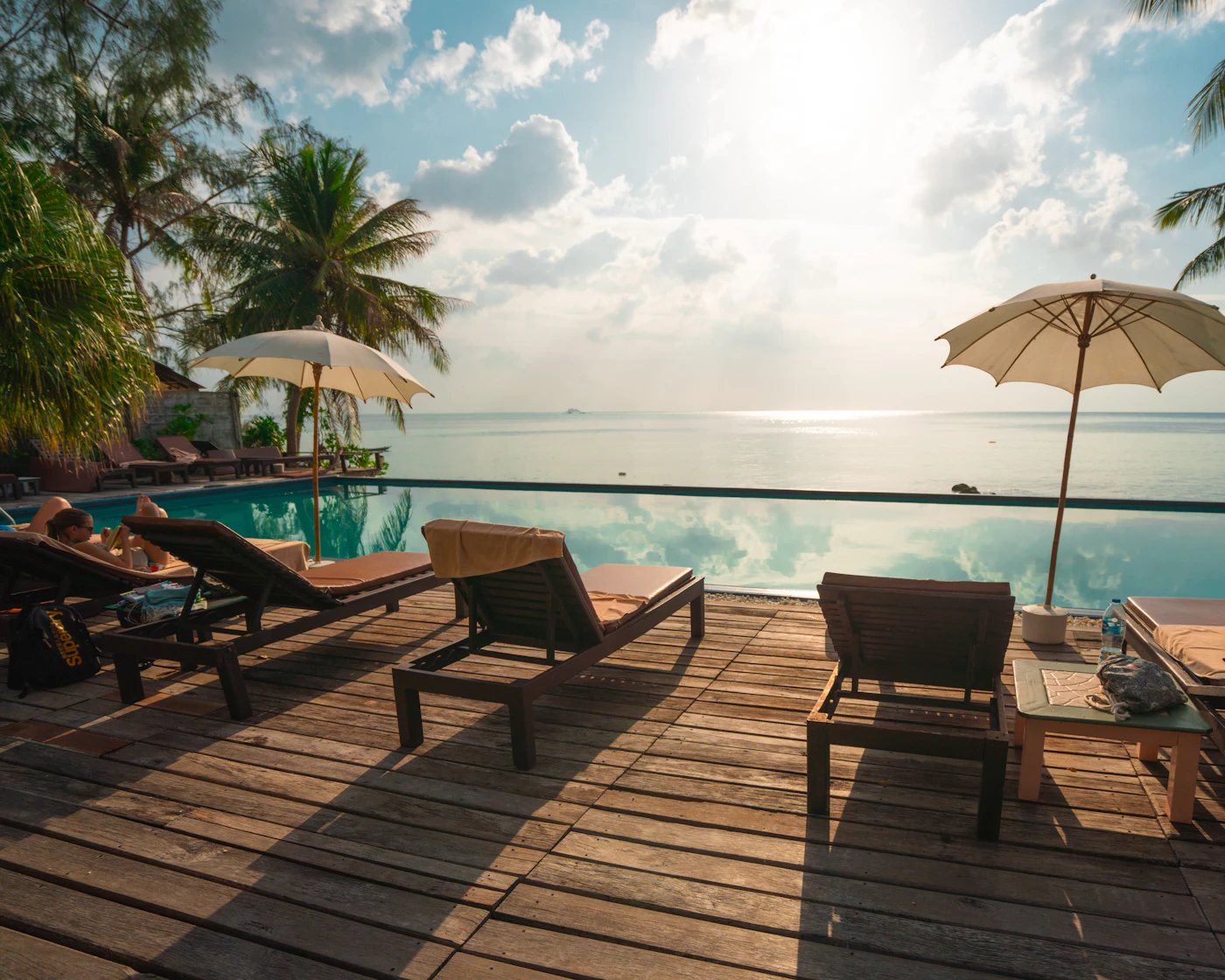
The newest serious Cuban fishing destination, on the north coast near Cayo Coco and Cayo Guillermo. Avalon opened operations here in the late 2010s, and Cayo Cruz has quickly developed a reputation as one of the strongest permit fisheries in Cuba — arguably challenging Cayo Largo for the title. The flats are extensive, the bonefishing is consistent (averaging 4–5 lbs), and the absence of fishing pressure is even more pronounced than at the older south-coast destinations. The trade-off compared to Jardines is fewer tarpon (the migratory population here is smaller) and slightly less variety of fishing terrain. The advantage is the north-coast access, which lets you combine the fishing trip with a few days at the nearby Cayo Coco / Cayo Guillermo resorts for a non-fishing partner. Best for: permit specialists, north-coast itineraries.

Zapata Peninsula & Bay of Pigs
A UNESCO Biosphere Reserve covering the largest wetland complex in the Caribbean. The fishing here is structurally different from the cay destinations above — it’s mostly mangrove-channel fishing for juvenile tarpon (10–40 lbs) and snook, in tight cover, often by boat through narrow passages. The Bay of Pigs side has its own fishing program, with operators running half- and full-day trips from Playa Larga at significantly lower prices than the Avalon destinations ($150–$300 per day rather than per-week packages). The fishing is good without being world-class, but the experience is unique: you’re poling through mangrove cathedrals that other anglers rarely see, and the area combines well with diving the Bay of Pigs reef system. Best for: travelers wanting fishing as part of a broader Cuba trip rather than as the whole trip, snook and juvenile tarpon specialists. Pairs well with our Cuba scuba diving guide for the same region.

Havana & Varadero Deep-Sea Charters
The accessible end of Cuban fishing — half- and full-day deep-sea charters out of Marina Hemingway near Havana and from Varadero’s marina, targeting blue marlin, white marlin, sailfish, mahi-mahi (dorado), wahoo, and tuna in the deep water of the Florida Straits. The Hemingway Marina hosts the famous Ernest Hemingway International Billfish Tournament each May, which gives you a sense of the fishery’s pedigree (Hemingway himself fished these waters from Pilar). The boats range from older operating-on-a-prayer skiffs to properly maintained 35–45 footers; the difference matters. Prices run $400–$800 for a half-day charter and $600–$1,200 for a full day, accommodating 2–6 anglers, with everything included (tackle, bait, drinks, lunch on full-day trips). Best for: travelers in Havana or Varadero who want a fishing day without committing to a serious fishing trip; non-specialists who’d enjoy the chance to land a marlin or mahi.
The honest Cuban fishing decision tree: if you have a fishing budget over $4,000 and the trip is mainly about the fishing, go to Jardines de la Reina or Cayo Largo. If you have a Havana trip already and you want to fish for a day, do a Hemingway Marina charter. The middle ground is thinner than the marketing suggests.
What You Can Realistically Catch
The reason serious anglers travel to Cuba is the species mix on the flats, not any single trophy fish. Below are the six species you’re most likely to encounter — the three flats classics, plus three you’ll meet either in mangrove backwaters or on deep-sea trips — with realistic numbers for what shows up at the rod.
Bonefish
The mainstay of Cuban flats fishing and the species you’ll catch the most of. The honest size data: Cuban bonefish average 3–6 lbs, with regular 8-pounders and occasional 10+. That’s significantly bigger than Bahamas averages and approaches the size class of the better Mexican destinations. Year-round, but most active when water temperatures hold between 22°C and 28°C. Targeting them means sight-fishing the shallow sand flats with weighted shrimp patterns.
Tarpon
The fish that defines Cuba as a serious destination. Two populations operate: resident juveniles living in mangroves year-round (10–40 lbs), and migratory adults arriving April through August (typically 80–100 lbs, with regular fish over 120). The migratory tarpon are what serious anglers come for — sight-cast on the flats, channels, and mangrove edges of Jardines de la Reina and Cayo Largo. Hooking one is one thing. Landing one is another entirely.
Permit
The unicorn of saltwater fly fishing, present in Cuba in numbers that other Caribbean destinations can only dream about. Cayo Largo and Cayo Cruz have the most consistent permit fishing in the country; Jardines de la Reina has the largest fish. Average size 10–25 lbs. The “Avalon fly” — developed at Cayo Largo specifically for these waters — has accounted for more than 500 permit catches across the program. A permit-on-fly day in Cuba is the kind of thing serious anglers structure entire trips around.
Snook
Aggressive predator found in mangrove backwaters, channel mouths, and brackish water — the Zapata Peninsula and parts of Jardines de la Reina hold the strongest populations. Snook average 6–15 lbs in Cuba with regular fish to 20+. The strike is explosive, the fish is built like a sprinter, and the takes typically happen against mangrove root cover where the fight is half-fish, half-extraction. Best targeted with topwater plugs or streamer flies in the lower-light windows of dawn and dusk.
Marlin & Sailfish (Billfish)
The deep-water option, targeted from sportfishing boats out of Marina Hemingway near Havana and Varadero’s marina. Blue marlin run 200–500 lbs typical, with seasonal grander fish (1,000+) hooked in the Florida Straits. White marlin and sailfish are more common smaller targets. The Hemingway International Billfish Tournament each May confirms the fishery’s serious credentials. Most charters fish 8–25 miles offshore where the deep ocean currents bring billfish close to the Cuban coast.
Largemouth Bass
Cuba’s surprising freshwater fishery. Largemouth bass were stocked in the country’s inland reservoirs decades ago and have thrived in the warm climate to produce some of the world’s largest specimens — Lake Hanabanilla, Embalse Zaza, and Laguna del Tesoro all produce 8–12 lb bass with regular catches. Cuban-record bass have exceeded 18 lbs. Largely unknown outside specialist circles, the freshwater fishing is a strong add-on for anglers combining a flats trip with inland travel. Best targeted with plastic worms or topwater plugs early or late in the day.
All fishing in Jardines de la Reina, Cayo Largo, Isla de la Juventud, and the other Avalon-managed marine parks is strictly catch-and-release for the flats species (bonefish, tarpon, permit). The deep-sea charters out of Havana and Varadero allow keeping some species (mahi, wahoo, tuna) but typically release billfish. The freshwater bass fishing has fewer formal restrictions but operators usually run catch-and-release programs voluntarily. The Cuban fish populations are what they are partly because of this.
When to Go: The Cuban Fishing Calendar
Cuban flats fishing happens year-round, but the species mix and the size class of what you’ll see shift meaningfully through the year. Below is the honest seasonal table — what’s peak, what’s good, what’s available, and what’s effectively off.
Cuban Fishing — Best Months by Species
| Species | J | F | M | A | M | J | J | A | S | O | N | D |
|---|---|---|---|---|---|---|---|---|---|---|---|---|
| Bonefish | ● | ● | ★ | ★ | ★ | ★ | ● | ● | ○ | ● | ● | ● |
| Migratory Tarpon | · | · | ● | ★ | ★ | ★ | ★ | ● | · | · | · | · |
| Resident Tarpon | ● | ● | ● | ● | ● | ● | ● | ● | ● | ● | ● | ● |
| Permit | ● | ● | ★ | ★ | ★ | ★ | ● | ● | ○ | ● | ● | ● |
| Snook | ● | ● | ● | ★ | ★ | ● | ● | ● | ● | ★ | ★ | ● |
| Billfish (deep-sea) | ○ | ○ | ● | ● | ★ | ★ | ★ | ★ | ★ | ● | ○ | ○ |
| Largemouth Bass | ★ | ★ | ★ | ★ | ● | ○ | ○ | ○ | ● | ● | ★ | ★ |
The Honest Answer on Best Window
For most serious anglers planning their first Cuban flats trip, the sweet spot is April through June. This is when the migratory tarpon population is at its peak, the bonefish are aggressive, the permit are present consistently, and the weather is dry and warm without yet hitting the summer heat extremes. The trade-off is that this is also the most expensive booking window and the most heavily booked — Avalon’s Jardines de la Reina and Cayo Largo operations often sell out 6–9 months in advance for April–June dates.
The shoulder windows of March and July are nearly as good with somewhat lower demand. November and February are excellent for bonefish and permit but without the big tarpon. August through October is hurricane-risk season; some operators close down entirely from late September through early November. For broader Cuban weather context across the year, see our month-by-month Cuba weather guide.
Trips between mid-August and October carry real hurricane risk. A storm passing within 100 miles of your fishing destination can shut down operations for 3–5 days even without a direct hit, and the Cuban operators don’t always offer refunds for weather. The cheap travel insurance policies often exclude weather-related disruption — read the small print. Our Cuba travel insurance guide covers which policies actually pay out.
What a Cuban Fishing Trip Genuinely Costs
Cuban fishing pricing is structured differently from most Caribbean destinations because of the Avalon monopoly on the protected zones. The package rates are quoted per angler for a full week, and they include essentially everything once you’re on-site — accommodation, meals, guide service, skiffs, fuel — but exclude flights to and from Cuba, internal transport to the operator’s base, gear (some of it), and tips. The breakdown below shows what each tier actually costs once you’ve added everything up.
| Cost Item | Jardines de la Reina (week) | Cayo Largo (week) | Havana Day Charter |
|---|---|---|---|
| Package / charter fee | $5,500–$7,500 | $4,500–$6,500 | $400–$1,200 |
| International flight to Cuba | $400–$900 | $400–$900 | included in trip |
| Internal transfer (flight/boat) | $200–$400 | $300–$500 | included |
| Pre/post fishing nights in Havana | $200–$400 | $200–$400 | — |
| Tips for guides (10–15%) | $550–$750 | $450–$650 | $50–$120 |
| Travel insurance | $100–$250 | $100–$250 | — |
| Cuban visa & tourist card | $50–$100 | $50–$100 | — |
| Flies, leaders, sundries | $200–$500 | $200–$500 | included |
| Total per angler | $7,200–$10,800 | $6,200–$9,800 | $450–$1,300 |
That’s the honest end-to-end cost, and there’s no way to compress it meaningfully — the Avalon package rates aren’t negotiable, and the variable costs (flights, tips, insurance) don’t have much slack. What you can do is reduce the surrounding costs: stay at a casa particular rather than a hotel in Havana before and after the fishing trip (see our cheap Havana hotels guide for under-$60 options), eat at paladares rather than hotel restaurants, and book your international flights well in advance. None of that affects the fishing-week core cost.
For travelers who can’t justify the Avalon package, the Hemingway Marina or Varadero deep-sea charter is the realistic alternative — a half-day for two anglers at $400–$600 plus tips, or a full day at $700–$1,000, is the lowest-cost way to put a rod in Cuban saltwater and a fish on the line. The trip won’t be a flats experience but it’s a legitimately good fishing day for travelers already in Havana or Varadero.
How to Actually Book a Cuban Fishing Trip
For Jardines de la Reina, Cayo Largo, Isla de la Juventud (Avalon Operations)
Three booking paths. Each works; they suit different travelers.
- Direct with Avalon. The Cuban Fishing Centers website (run by Avalon) takes direct bookings and is the cheapest route for travelers who can navigate the Cuba-payment process. The downside is that Cuba bookings paid directly from US-issued cards run into OFAC restrictions; non-US travelers don’t have this problem.
- Through a US-based booking agent. Specialist agencies — Frontiers International, Yellow Dog Flyfishing, Angler Adventures, Fishing With Larry — handle the Avalon booking process for US clients under appropriate OFAC license categories. Their commission adds 5–10% to the package price but they handle the logistics, the licensing paperwork, and the contingencies.
- Through a European agent. Where Wise Men Fish (UK) and Aardvark McLeod (UK) are the standard European booking channels and serve UK, EU, and Commonwealth anglers without the OFAC complications. Similar commission structure, often slightly lower than the US agents.
Booking 6–12 months in advance is normal and often necessary for April–June peak weeks. Avalon’s calendar tends to fill earliest for Jardines de la Reina’s prime tarpon weeks.
For Hemingway Marina & Varadero Day Charters
These are much simpler. Most Havana hotels and casas can arrange a charter through their tour desk or by phoning the marina directly; a few independent operators take direct bookings via WhatsApp. Booking 24–48 hours ahead is usually sufficient outside peak season. Quality varies: ask whether the boat has working tackle, fresh bait, a working toilet, and air conditioning in the cabin if your group includes anyone prone to seasickness — Cuban marina charters cover the full range from “1960s with new paint” to “actually quite nice.”
For Bay of Pigs / Zapata Snook Fishing
Local Cuban operators in Playa Larga run snook-and-juvenile-tarpon trips at $150–$300 per day, bookable through casas particulares in the area or via the small Hotel Playa Larga. No advance booking required outside high season; book the night before with the casa host arranging the contact. This is the casual, affordable end of Cuban fishing, and it’s underrated.
For Largemouth Bass
Lake Hanabanilla (near Trinidad) and Embalse Zaza (near Sancti Spíritus) both have small fishing-lodge operations bookable through Cuban tour agencies or directly through the Hotel Hanabanilla in the Escambray Mountains. Days run $50–$120 per angler including boat and guide. The infrastructure is basic but functional.

US citizens can legally fish in Cuba under appropriate OFAC license categories — the “Support for the Cuban People” category is the most common — but the fishing-trip specifics matter. Booking through a US-based fishing agency that handles the license documentation is the cleanest route. Some agencies have historically worked with the Bonefish & Tarpon Trust (BTT) to provide the appropriate research-and-conservation license framework. Confirm the licensing arrangement before paying any deposit. Our Cuba visa guide covers the broader licensing question.
Practical Tips Serious Cuban Fishers Know
What to Pack From Home (Bring It All)
Cuban fishing logistics involve almost no on-the-ground gear replacement — what you bring is what you fish. The Avalon operations supply skiffs, fuel, and guides but not flies, tippet, or specialized tackle, and there’s no fly shop within a hundred miles of any of these destinations. Pack accordingly.
- Rods: 8-weight for bonefish, 10-weight for permit, 12-weight for big tarpon. Two of each, minimum. Tarpon will break rods; have a backup.
- Reels: Saltwater-rated with sealed drag, at least 200 yards of 30-lb backing for bonefish/permit, 300 yards of 50-lb for tarpon.
- Lines: Tropical saltwater floating, intermediate, and sinking lines. The heat warps cold-water lines fast.
- Flies: Crab patterns for permit (Avalon Permit Fly specifically — buy these direct from Avalon if you can), shrimp patterns for bonefish (Gotcha, Crazy Charlie, sizes 4–8), Tarpon Toad and Cockroach patterns for tarpon (sizes 1/0–4/0), Deceiver patterns for snook and barracuda.
- Leaders & tippet: Hard mono for tarpon (60–80 lb shock, 16–20 lb class), fluorocarbon for bonefish and permit (12–16 lb), at least double what you think you need.
- Polarized sunglasses: Amber/brown lens for sand bottoms, gray/green for deeper water. Lose the wrong pair and your week’s effectively over.
- Sun protection: Long-sleeve fishing shirts, lightweight wading pants, gloves, buffs, SPF 50 zinc-based sunscreen. Cuban sun on the flats is brutal.
- Wading boots: Quick-draining, with a hard sole — the flats include limestone sections that destroy soft soles.
For broader Cuba packing context that applies to the non-fishing parts of your trip, our Cuba packing list covers what else to bring.
Cash, Tipping, and the Cuba-Specific Money Problem
Cuba is a cash economy and US-issued credit cards don’t work on the island. The Avalon packages typically require deposit and final payment in advance via international wire transfer, so the on-trip cash needs are mostly for tips and incidentals — but those tips matter. Guide tips at $80–$120 per day per angler are standard at the Avalon operations. For a full week of fishing, that’s $550–$850 per angler in tip cash, brought in physical bills. Bring euros, Canadian dollars, or GBP rather than USD — they convert better at Cuban CADECAs. Full mechanics in our Cuba cash guide.
The Pre- and Post-Fishing Days in Havana
Almost every Cuban fishing trip involves at least one night in Havana on either end of the fishing week — either for the international flight connection or for the domestic flight transfer to Cayo Largo, Isla de la Juventud, or Cayo Coco. Plan these nights deliberately rather than treating them as logistics. Two nights in Havana before the fishing trip lets you acclimate to the heat, sort cash, and eat a couple of paladar meals. Two nights after gives you decompression time and a chance to see things that weren’t on the fishing itinerary. Our first-timer’s Havana guide covers the city; our paladares guide covers what to eat once you’re there.
Combining Fishing with the Rest of a Cuba Trip
Most serious anglers visit Cuba specifically for the fishing and treat the country itself as logistics. That’s a missed opportunity. Cuba is one of the more interesting destinations in the Caribbean even before the fishing factor, and a structured trip can include both a meaningful fishing week and a meaningful Cuba week without doubling the cost or the time. Three approaches that work:
The Classic 10-Day Fishing-First Trip
Days 1–2 in Havana to acclimate, eat well, and sort cash. Days 3–9 fishing (typically a Saturday-to-Saturday Avalon package). Day 10 back in Havana for departure flight. This is the standard Cuban fishing-week structure and works perfectly well — just don’t shortchange the Havana days, which often end up being the trip highlights anglers don’t expect.
The 14-Day Fishing-and-Country Trip
Days 1–3 in Havana. Days 4–6 in Viñales (horseback riding, tobacco country, no fishing — see our Viñales horseback piece). Days 7–13 fishing. Day 14 back in Havana for departure. The Viñales add-on gives anglers a real sense of inland Cuba and breaks up the urban-then-fishing pattern most fishing trips fall into.
The Family-Friendly Cayo Largo Structure
For anglers traveling with non-fishing partners or family: stay at the Sol Cayo Largo all-inclusive on Cayo Largo, do daily Avalon flats fishing trips out of the marina, and let the rest of the family use the resort’s beach, pool, and water sports during your fishing days. This is the only Cuban fishing structure that works well as a family vacation — the liveaboard Jardines de la Reina setup doesn’t accommodate non-anglers usefully. Combine with a few days at Cayo Largo’s beaches (covered in our best beaches in Cuba ranking) on either end.
🎣 Pre-Trip Checklist for a Cuban Fishing Week
- Avalon package booked 6–12 months out via direct or agent
- Cuba visa & tourist card sorted before flying
- D’Viajeros entry form completed within 7 days of arrival
- Travel insurance with weather and medical coverage
- OFAC license category confirmed (US citizens)
- Cash brought in EUR/CAD/GBP for tips — $700+ per angler
- Two complete rod-and-reel setups packed per weight class
- Fly selection finalized: bonefish, permit, tarpon, snook patterns
- Backup tippet, leaders, and accessory tackle packed
- Polarized sunglasses (two pairs, in case one breaks)
- Sun protection complete: shirts, gloves, buffs, zinc sunscreen
- Pre/post Havana accommodation booked
Frequently Asked Questions
One last honest thought
Cuban fishing is the kind of destination angling that people save for. The cost is real, the logistics are demanding, the booking process is slower than most fishing trips, and the trip itself requires a level of commitment that day-charter destinations don’t ask for. None of that is a critique — it’s just the nature of what’s on offer. You’re not buying a fishing day. You’re buying access to one of the last serious flats fisheries left in the Caribbean, in protected zones that have been protected long enough to mean something, with operators who’ve been refining the program for two decades.
The trade-off is worth it for serious anglers. The Jardines de la Reina week or the Cayo Largo grand-slam attempt is the kind of trip that gets talked about for years afterward, and the photos of bonefish on the flats or tarpon in mid-jump are the kind that hang on office walls for the rest of an angling life. The casual side — a Hemingway Marina day charter, an afternoon of snook fishing from Playa Larga — is its own thing and a perfectly good fishing experience without the major commitment.
Whatever level you book at, sort the visa early, bring more flies than you think you need, tip the guides generously, and approach the water expecting some of the best saltwater fishing left on the planet. That’s what’s actually here. The rest takes care of itself.
