
Scuba Diving in Cuba: Top Dive Sites, Best Operators & What to Expect
From the silky sharks of Jardines de la Reina to the cenote drops at Playa Girón — an honest guide to where Cuba’s diving actually delivers, what it costs in 2026, and the operators worth your money.
Cuba’s reefs sit inside a paradox most divers don’t understand until they get there. The country has roughly 60 years of accidental marine protection — partly through the embargo, partly through low foreign visitation, partly through a network of marine reserves Cuba takes more seriously than it usually gets credit for. The diving here can be exceptional. It can also be inconsistent in ways that catch you off guard if you turned up expecting a Cozumel-grade experience.
This guide is written for divers planning the trip, not for the operators selling them. We’ll cover the eight sites worth your serious consideration, the operators who actually run reliable boats, what it costs in 2026, and the equipment, logistics and chamber realities nobody mentions in the brochure.
Why Cuba’s Underwater Scene Is Different
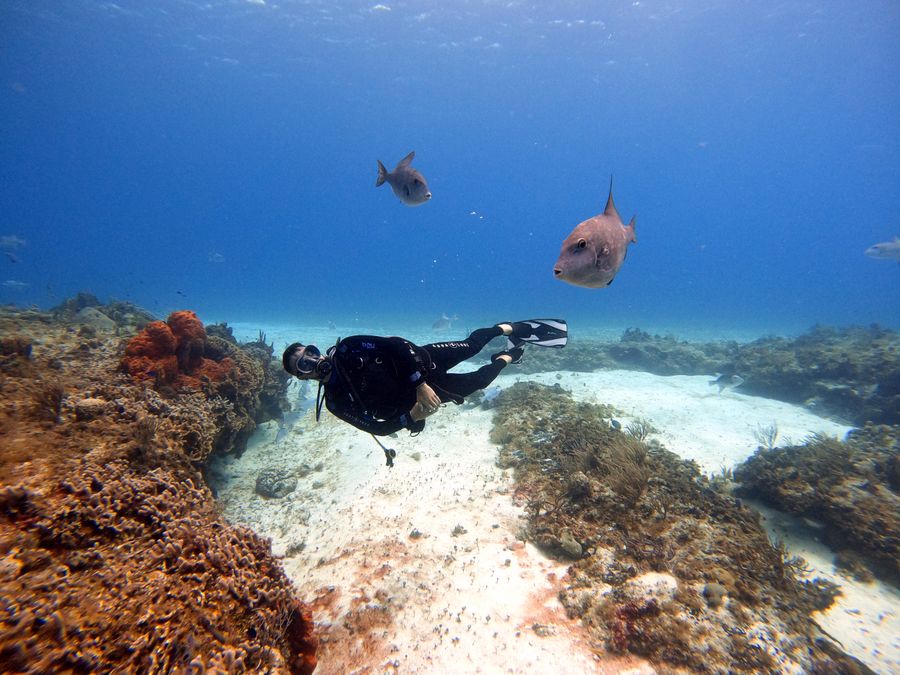
The case nobody makes properlyThe simple version: Cuba has reefs that look the way Caribbean reefs were supposed to look thirty years ago. Healthy elkhorn coral that hasn’t been hammered by tourist fin-kicks. Goliath grouper the size of small cars. Silky sharks in genuine numbers — not the one-off “shark sighting” that gets promoted as a highlight. Walls dropping into blue so deep you stop trying to guess the bottom.
The longer version requires some honesty about how this happened. Cuba’s marine ecosystems weren’t preserved through a brilliant conservation strategy. They were preserved because, for decades, almost no one came here. The diving industry built up in Mexico, Belize and Honduras while Cuba stayed mostly closed. By the time foreign divers started arriving in real numbers in the 1990s and 2000s, the Cuban government had also formalized several genuinely strict marine protected areas — most importantly Jardines de la Reina, which since 1996 has been managed with the kind of catch limits, no-take zones and visitor caps that make a real biological difference.
The result, in 2026, is something you can feel underwater within thirty seconds of dropping in at a site like Pipín or Cabezo de la Cubera. The fish aren’t shy. The sharks don’t peel away. There’s a density of life on these reefs that simply doesn’t exist anymore at the more famous Caribbean sites that have been dived hard for half a century.
None of which means every Cuban dive site is world-class. Varadero’s reefs are tired compared to what’s at the edges of the country. The North Coast’s Jardines del Rey can be hit-or-miss depending on which operator and which season. The infrastructure outside Avalon’s Jardines de la Reina concession is generally rougher than what you’re used to — older rental gear, smaller boats, fewer language options. Cuba rewards divers who plan around its strengths and accept its weaknesses.
So this guide ranks sites by what’s actually there to see, names the operators worth flying for, and tells you straight when something is overrated. If you came for the colonial cars and the music and figured you’d squeeze in some diving as an extra, this is not the trip for you. If you came specifically to dive Cuba properly, the next 4,000 words are the article you wanted.
The 8 Dive Regions Worth the Trip
Ranked honestly by what’s underwaterThese are listed in rough order of underwater quality, not convenience. The flagship sites require effort to reach. The accessible ones are good rather than great. That trade-off is fundamental to diving Cuba and worth accepting upfront.
Jardines de la Reina (Gardens of the Queen)
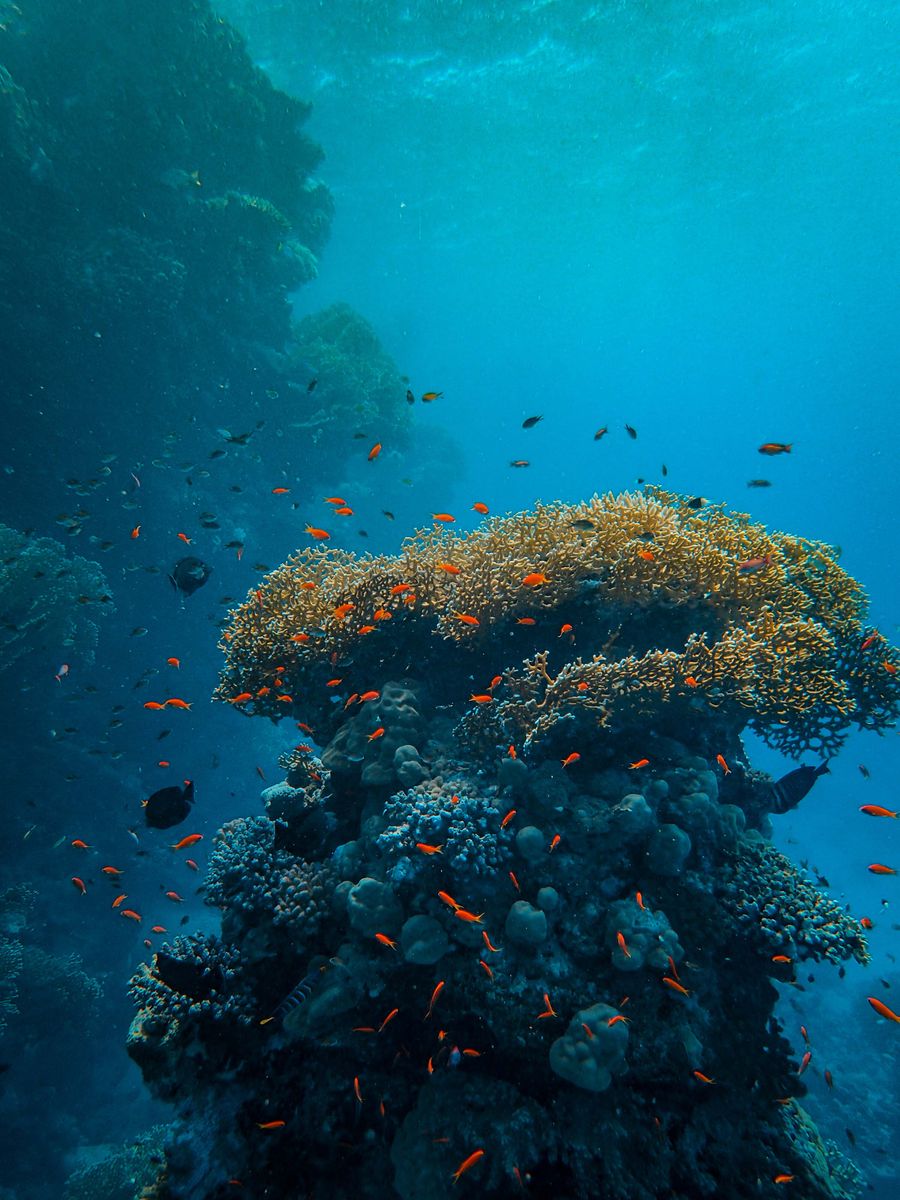
This is the dive trip people fly to Cuba specifically for. A 360-square-mile marine reserve covering roughly 250 small cays, accessible only by liveaboard, with the entire concession run by a single operator (Avalon) under strict catch-and-release fishing and limited dive tourism. The numbers Cuba caps here — around 1,500 divers per year total — are why the reefs look the way they do. Silky sharks and Caribbean reef sharks appear on virtually every dive. Goliath grouper hang in the swim-throughs. Healthy elkhorn and staghorn coral form the kind of structure you’ve seen in documentaries and assumed no longer existed in the wild Caribbean. Crocodiles in the mangroves for the shallow safety stops, if you’re into that. The trip is genuinely expensive ($3,500–$5,500 per person for a 7-night liveaboard) and books out a year ahead in season. It’s also the only dive experience in the country that competes with anywhere else on earth.
María la Gorda
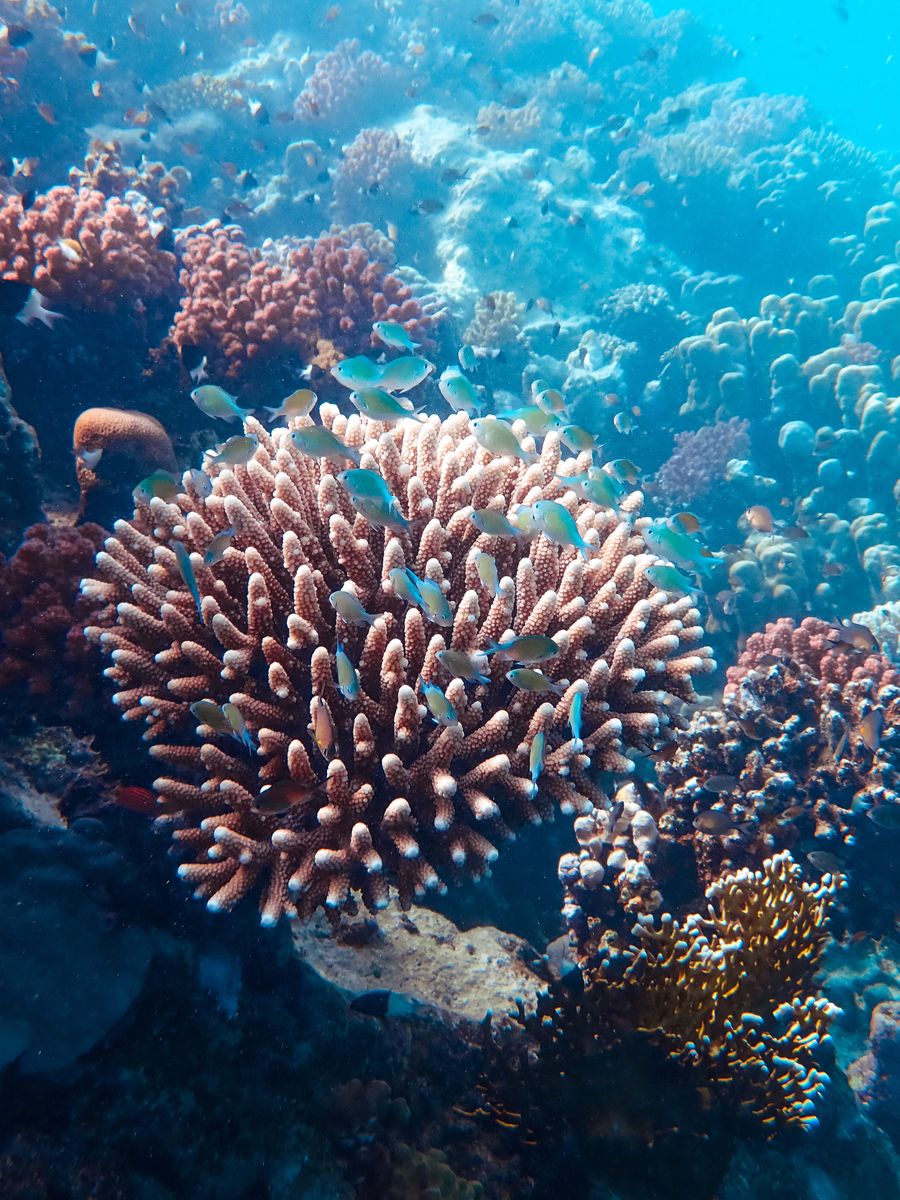
If Jardines is the trip you save for, María la Gorda is the trip you actually take. The dive resort sits inside Guanahacabibes National Park at the far western tip of Cuba — a long but doable drive from Havana (roughly 8–9 hours, or a short flight to Pinar del Río followed by transfer). The protected bay means easy water entry and almost no surface chop, even in winter. There are 39 marked sites within twenty minutes of the dock, including the famous “Yemayá” — a coral cathedral that rises out of 30 metres of water — and the black coral forests at Bajón del Suroeste. Walls drop to 40m+ on the outer reef. Macro life is genuinely excellent: seahorses, frogfish, blennies, octopuses. The on-site hyperbaric chamber is reassuring. Equipment quality is mid-tier (bring your own mask, fins, computer). The hotel is functional rather than charming, but you came for the diving.

Punta Francés (Isle of Youth)
The most consistently underrated dive area in Cuba. Punta Francés is the southwestern corner of the Isle of Youth — historically isolated, lightly touristed, and home to 56 marked dive sites along a coral wall that runs for kilometres. Visibility regularly exceeds 30 metres. The wall starts shallow (around 8m) and drops past 60m, with caves, swim-throughs and overhangs at the recreational depths. Whale sharks are seasonal — November through February — and turtles are reliable year-round. The Cristóbal Colón shipwreck (from the Spanish-American War, sunk in 1898) sits at divable depth. The Hotel Colony’s dive operation handles most diving here; it’s a Soviet-era property with all the charm that implies, but the diving outweighs the accommodation. Logistics are the catch — you need to commit to multiple days because getting here is a half-day exercise.

Bay of Pigs — Playa Girón & Playa Larga
The best dive base for travellers who want serious water time without committing to a remote resort. The Bay of Pigs (Bahía de Cochinos) has roughly 30km of coastline along which the reef sits within 50–200 metres of the beach — meaning genuine shore diving, which is rare anywhere in Cuba. La Cueva de los Peces is the highlight: a cenote-like flooded sinkhole connected to the sea, with freshwater on top, saltwater below, and a halocline that’s genuinely surreal to swim through. Caleta Buena is a sheltered cove with shallow reef accessible from a snorkeller’s perspective and progressively deeper as you swim out. The dives are cheap ($25–$40), the casas particulares lining the bay are some of the most welcoming in Cuba, and the area attracts divers who actually dive rather than tourists who happen to also dive. Visibility is excellent. The reefs aren’t as dramatic as the western or southern sites, but the access-to-quality ratio is unmatched anywhere in the country.
Cayo Largo del Sur
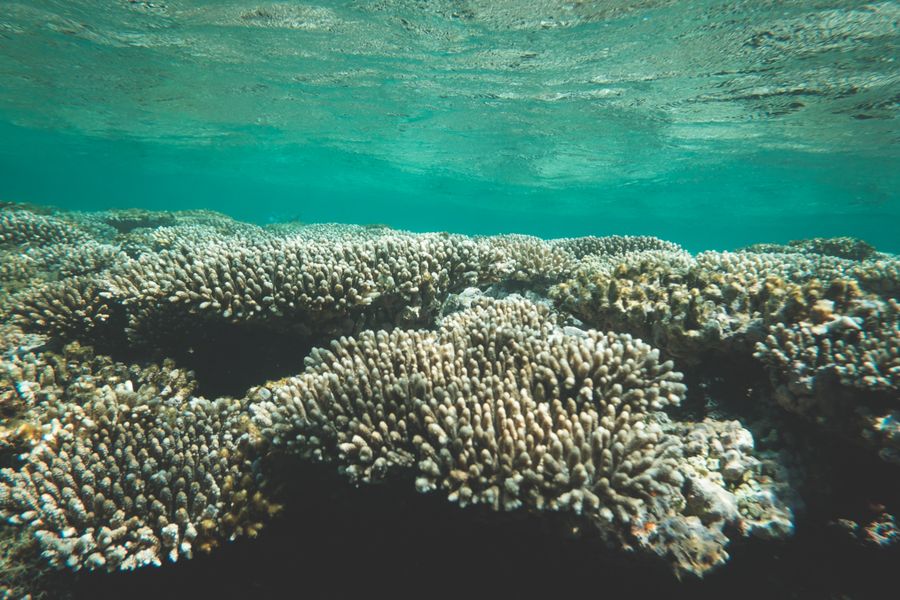
A small Caribbean cay 80km south of mainland Cuba, reached by short charter flight and resort-only. There’s no town, no independent travel, no escape from the all-inclusive structure — which is either appealing or claustrophobic depending on your travel style. The diving itself is genuinely good. The reef wall starts within 200m of the beach and includes 32 marked dive sites along a single drop-off. Healthy coral, large pelagics including occasional hammerheads in winter, and consistent visibility above 25 metres. Operators offer dive packages bundled with accommodation that work out reasonably ($800–$1,200 per week including 10 dives and lodging at the more modest hotels). Best for divers who want to log dives on a relaxed schedule without thinking about logistics. Worst for divers who hate being trapped on a resort island for a week.
Cayo Coco & Cayo Guillermo (Jardines del Rey)
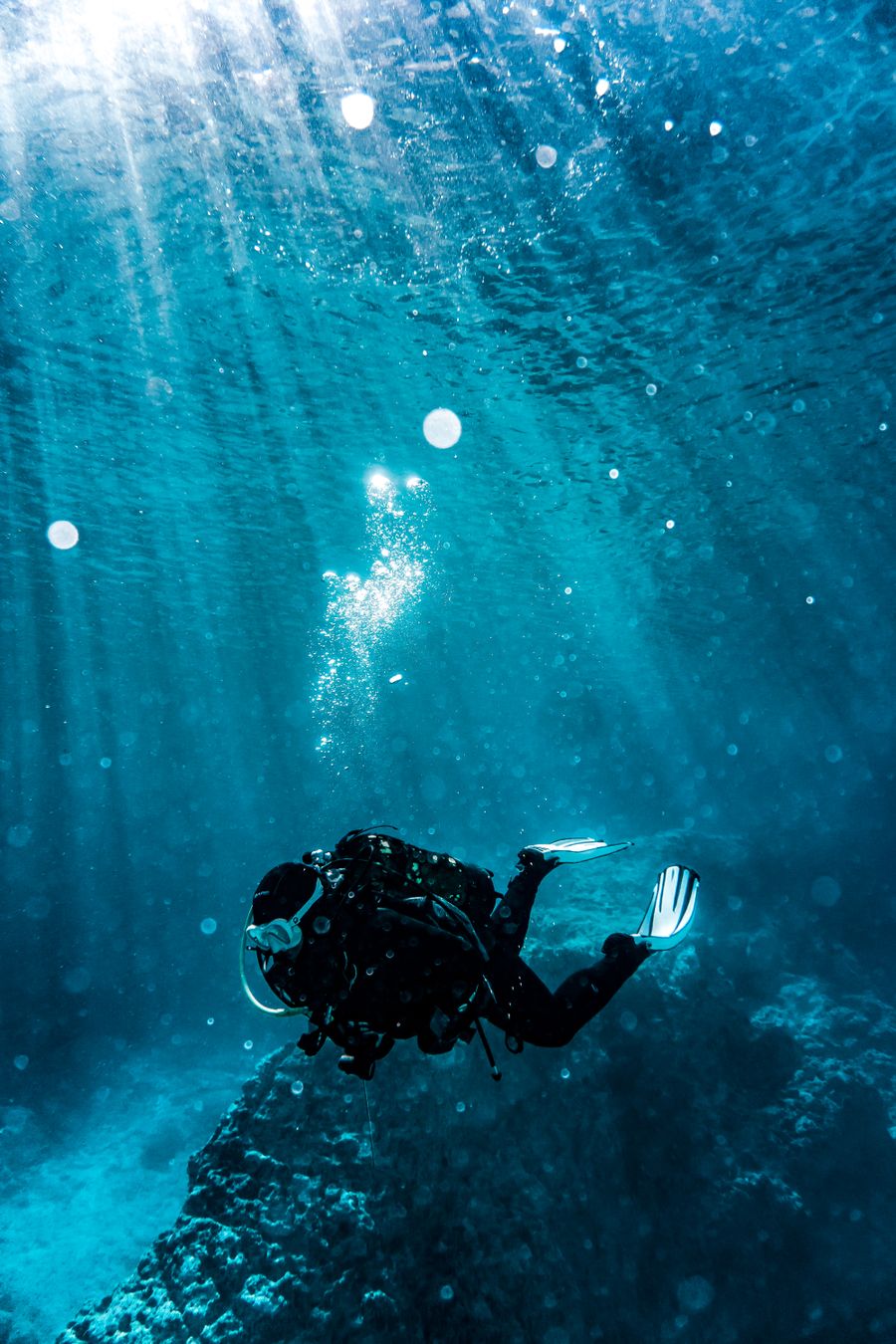
A long causeway across the mangroves connects mainland Cuba to a chain of north-coast cays that Hemingway sailed in the 1930s and that Cuban tourism converted into all-inclusive resort territory in the 1990s. The diving here is good rather than great. The Avalos reef and the Jardines del Rey marine area have 11 marked dive sites, with healthy coral patches between sandy areas, decent fish density, and visibility that varies more by weather than at the west or south coast sites. Strong currents on some sites mean this isn’t always a beginner-friendly destination, despite what some resort operators imply. The honest pitch: if you’re already on a beach holiday at one of the Cayo Coco resorts, the local dive operation can give you a perfectly acceptable two-tank morning. It is not, however, a destination you’d build a dive trip around.

Santiago de Cuba — Sigua & Marea del Portillo
Eastern Cuba is the country most travellers never see, and the diving here reflects that. The waters off Santiago de Cuba and the Granma coast carry the wrecks of the 1898 Spanish-American naval battle — Cristóbal Colón, Vizcaya, Infanta María Teresa — most of which are technical-depth dives but a handful of which are accessible recreationally. Reef quality varies. Sigua, just east of Santiago, has the most consistent operation with a decent dive centre. Marea del Portillo to the west is a smaller, quieter base with limited but reliable operators. This region is for divers who want to combine serious diving with the cultural depth of eastern Cuba — Santiago’s Afro-Cuban music scene, the Sierra Maestra hiking, the rum heritage. It’s not for divers who want the simplest possible logistics.
Varadero — Convenience Over Quality
The honest version of Varadero diving: convenient, accessible, and mediocre. Cuba’s most developed beach resort sits on a long peninsula with 28 marked dive sites in nearby waters — but decades of resort tourism have left these reefs in noticeably worse condition than the rest of the country. There’s one exception that elevates the whole area: Cueva de Saturno, a freshwater cenote near the airport with calm, clear water and limestone formations that’s a genuine highlight even for experienced cave divers (not technical, just unusual). The Bahía de Cárdenas has some patch reef that’s serviceable. Several operators run from the Marlin Marinas Chapelín marina. The pitch for Varadero diving: if you’re already here for the beach, take a half-day to dive the cenote and skip the rest. The pitch against: don’t fly to Cuba to dive only in Varadero.
“The pattern with Cuba is consistent: the harder a site is to reach, the better the diving usually is. Convenience and quality run inversely. Plan accordingly.”
The Operators Worth Your Money
Who actually runs reliable boatsCuba’s dive industry is structurally different from most Caribbean countries. There are no independent owner-operators in the Belize or Bonaire sense — every dive operation is either a state enterprise (Marlin, Gaviota, Cubanacán), a state enterprise partnered with a foreign joint venture (the Avalon arrangement), or a small private outfit operating under state licensing. That means quality varies less by ownership structure than by who specifically is running the dive centre that month.
The names below cover the operations we’d actually recommend after the usual screen of: are the tanks current-stamp, are the boats maintained, is the staff Divemaster-qualified and English-speaking enough to handle an emergency. Five operators consistently pass that test in 2026.
Avalon Cuban Diving Centers
PremierThe serious operation. Italian-Cuban joint venture that’s held the Jardines de la Reina concession since the early 2000s. Five liveaboards including the flagship Avalon Fleet I and Tortuga. Equipment is well-maintained, dive guides are biology-literate, and the operation has helped fund the marine reserve’s enforcement. The only way to dive Jardines, and worth booking 9–12 months ahead.
Marlin Marinas — Diving Centres
WorkhorseThe state-run dive network — operates the widest range of sites in the country. Quality varies by individual centre but the better ones (María la Gorda, Cayo Largo) are reliable. Equipment is mid-tier. Tanks tested, boats maintained, instructors qualified. Bring your own mask, computer and snorkel; rent everything else if you must.
Octopus Diving Center — Playa Larga
Local PickSmall, knowledgeable, well-located. Runs the shore dives and short boat trips around La Cueva de los Peces and Caleta Buena with genuine local expertise. The dive guides actually know the names of the things you’ll see. One of the most pleasant dive experiences in Cuba in 2026. Book directly via your Playa Larga casa particular — most hosts have a contact.
Gaviota Tours — Resort Dive Packages
Hit or MissThe state tourism conglomerate’s dive arm — bundled with hotel stays at Gaviota properties. Quality genuinely varies year to year and depends heavily on the specific centre. The North Coast operations are weaker than the south. Acceptable if you’re staying at a Gaviota resort anyway; not the reason to book one.
Hotel Colony Dive Center — Punta Francés
SpecialistThe only serious dive operation on the Isle of Youth. The hotel itself is dated (Soviet-era construction, irregular maintenance), but the dive centre runs reliable trips out to Punta Francés and the surrounding walls. Stay for the diving, not the comfort. Book the dive package directly through the hotel; arrange transfer from Nueva Gerona Airport in advance.
What to Expect — The Practical Reality
The things nobody mentionsDiving Cuba in 2026 is different from diving Mexico or Belize, and the differences are mostly logistical rather than underwater. The reefs are good. The above-water experience requires more flexibility. Here’s the honest version of what you’re signing up for.
Equipment Quality Varies — Bring Your Own Where It Matters
Rental gear at Avalon is current and well-maintained. Rental gear at María la Gorda is acceptable but ageing. Rental gear at smaller operations is sometimes ten years past its replacement schedule. The non-negotiables to bring from home are: your own dive computer, your own mask, your own fins, and your own SMB. Renting BCDs and regulators is fine at the major centres and a gamble at the minor ones. If you can fit it in a bag, bring it.
Nitrox Availability Is Inconsistent
Avalon offers Nitrox reliably. María la Gorda has Nitrox most of the time. Smaller centres officially have Nitrox and frequently don’t, in practice, because the membrane compressor needs a part that’s on order. If you’re Nitrox-certified and rely on it for repetitive diving, confirm availability by email before booking and don’t assume “yes” until the analyzer is on the bench.
Dive Insurance Is Not Optional
The Cuban medical system can absolutely treat dive injuries — there are functional hyperbaric chambers and the doctors who run them are well-trained. What you don’t want to discover is that the chamber’s nearest oxygen supplier is three provinces away, or that the boat back to a major town is the next morning. DAN World coverage or equivalent is standard practice for serious Cuba diving and worth the $80–120 annual fee regardless of what trip insurance your visa requires.
🏥 Hyperbaric Chambers in Cuba — 2026
- Havana — Hospital Hermanos Ameijeiras (primary)
- Cienfuegos — Hospital Provincial
- Santiago de Cuba — Hospital Saturnino Lora
- María la Gorda — On-site at dive resort
Internet for Last-Minute Booking Is Unreliable
You may have heard Cuba’s internet has improved. It has. It is still bad enough that the operator you emailed yesterday may not have responded yet, and may not respond before your flight. Book at least 4–6 weeks ahead, in writing, with payment terms agreed. Jardines de la Reina trips book 9–12 months ahead in season — there is no “we’ll figure it out on the ground” option for that one.
Power Cuts Affect Compressors
Cuba’s electricity grid has been under strain since 2022 and remains so in 2026. Rolling blackouts are part of life on the island. Most dive centres have backup generators for their compressors, but at the smaller operations, the power situation can mean tanks aren’t filled in time for the next morning’s boat. Confirm by email that your operator has reliable compressor power and treat any vague answer as a warning sign.
Confirm — in writing, before you pay — that your operator has working tanks, current visual/hydro stamps, a maintained boat, English-speaking staff if you need it, and recent compressor service. The five-minute email exchange before booking saves the entire trip.
What Diving Cuba Costs in 2026
Honest numbers, USD cashCuba is cash-based for foreign visitors. US-issued cards don’t work. European and Canadian cards work at major hotels but unreliably at dive centres. Bring more cash than you think you need — operators don’t take cards, and “we’ll bill your room” is not a system that works for dives at most operations. Euros convert best. USD works everywhere but exchanges at a slight penalty.
| Item | Typical 2026 Price | Notes |
|---|---|---|
| Single dive (boat) | $40–$55 | Tank, weights, guide included |
| Single shore dive (Bay of Pigs) | $25–$35 | Cheapest diving in Cuba |
| 6-dive package | $220–$280 | Usually 10–15% discount vs day-rate |
| 10-dive package | $350–$450 | Standard week of diving |
| Equipment rental (full) | $20–$30 / day | BCD, regs, wetsuit, mask, fins |
| Nitrox upgrade (per tank) | $5–$10 | When actually available |
| PADI Open Water course | $400–$480 | 4 days, 4–5 dives, materials |
| Advanced Open Water | $300–$380 | 2 days, 5 dives |
| Jardines de la Reina liveaboard | $3,500–$5,500 | 7 nights, 18–22 dives, all-inclusive |
| Cayo Largo dive + lodging week | $800–$1,400 | 10 dives + room + meals |
| María la Gorda 7-night package | $1,100–$1,600 | 15 dives + room + meals |
Equipment-only dive trip budgeting (excluding the Jardines liveaboard) reasonably lands at $1,800–$3,200 per person for a 10-day Cuba trip with 10–15 dives, accommodation in a mix of casas and dive resort, intercity transfers, and food. That excludes international flights and the visa.
Budget the Non-Diving DaysHow to Travel Cuba on $50 a Day — A Realistic Budget Breakdown→What to Bring (And What to Leave)
The Cuba-specific packing listMost divers overpack the gear and underpack the documentation. The list below reflects what genuinely matters versus what you can rent at any decent operation.
Bring From Home — Non-Negotiable
- Dive computer — rentals are old or unavailable
- Mask & snorkel — fit matters; rentals are mixed
- Fins — comfort over a week is significant
- SMB / surface marker buoy — boat conditions vary
- Dive insurance card — DAN World or equivalent
- Certification cards — every agency accepted; carry physical
- Dive logbook — Jardines/Avalon will check it
- Reef-safe sunscreen — required by some operators
- Cash in EUR or USD — payment for all diving
- Save-a-Dive kit — O-rings, mouthpiece, zip ties
Useful But Rentable
- BCD — major operators have current models
- Regulator set — Avalon and María la Gorda fine
- 3mm wetsuit — water 24–28°C year-round
- Dive light — only for swim-throughs / wrecks
- Underwater camera — bring; nothing to rent
- Weight belt — supplied with rental BCD
- Boots — supplied with fins where needed
- Hood — almost never required in Cuba
- Gloves — not allowed at most marine reserves
- Knife / cutter — bring small line-cutter only
Diving Cuba — Common Questions
The ones we actually get askedThe Honest Final Word
Diving Cuba is not a slick experience. The operators are state-tied or quasi-private, the bookings happen by email that may not get answered for days, the rental gear varies between excellent and ageing, and the country itself runs on a logistical logic that takes some getting used to. None of that is bad. It is just different from what most North American or European divers expect from a Caribbean trip.
What you get in exchange is real diving. The Jardines de la Reina liveaboards routinely sell out twelve months ahead because the underwater experience there is among the best remaining in the entire Caribbean basin. María la Gorda and Punta Francés offer wall diving that other countries would price at twice the rate. Bay of Pigs delivers shore-diveable cenotes within a three-hour drive of Havana for the price of a meal in Florida. Cuba’s reefs are not a tourist-board fantasy. They are some of the last underwater landscapes in the region that haven’t been worn down by decades of mass dive tourism.
If you plan it right, this is one of the great remaining Caribbean dive trips. If you turn up assuming it’ll work like Cozumel, it won’t.
After You Dry OffBest Hikes in Cuba — Trails from Easy Walks to Serious Treks→