

Best Beaches for Families: Calm Water, Soft Sand and Kid-Friendly Amenities
The world’s best family beaches aren’t necessarily the most famous ones. They’re the ones with shallow water that doesn’t surprise you, sand that doesn’t overheat small feet, and enough nearby infrastructure that a full day out doesn’t require a military operation.

Best Beaches for Families: Calm Water, Soft Sand and Kid-Friendly Amenities
The world’s best family beaches — Caribbean, Mediterranean, Asia Pacific and beyond — ranked by what actually matters when you travel with kids.
Finding a great beach with kids involves a completely different set of criteria from finding a great beach without them. You’re not looking for the most dramatic wave action or the most remote cove accessible only by 4WD. You’re looking for water that doesn’t knock a seven-year-old off their feet, sand that’s soft enough to land on without injury, somewhere nearby to buy an ice cream, a toilet that isn’t a ten-minute scramble through dunes, and enough shade for the hours you didn’t plan to stay as long as you ended up staying.
The beaches in this guide meet those criteria. Not all of them are the most photographed or the most celebrated in their region. Several are deliberately chosen because they’re slightly overlooked relative to their quality — which means the practical reality of visiting them is better than at the famous alternatives. This guide covers the Caribbean (where several islands deliver exceptional family beach infrastructure), the Mediterranean (where protected bays solve the wave problem that plagues more exposed Atlantic beaches), Asia Pacific (where the reef-protected lagoon beaches of places like Langkawi and the Maldives are genuinely extraordinary for families), and the Americas (where Florida and Mexico both have world-class family beach options at varying price points).
The common thread throughout is calm water, soft sand, and the specific logistical infrastructure that makes a beach day with children something to look forward to rather than something to survive.
What Actually Makes a Beach Good for Families
Before the beach-by-beach section, it’s worth being clear about what the criteria are — because “family beach” is used loosely and covers everything from genuinely calm, safe, shallow swimming to beaches that are merely popular with families because there’s a hotel nearby with a kids’ club. These are different things.
Water Safety: The Non-Negotiable First Criterion
The water quality that matters most for children is shallowness and predictability. A beach where children can wade out twenty metres and the water is still below knee height is far safer than a beautiful beach where depth increases sharply from the shoreline. Riptides, even weak ones, are dangerous for children and adults who don’t know to identify them. Wave height matters for smaller children — anything above about half a metre makes swimming difficult and unpleasant for under-fives. The best family beaches are either naturally sheltered by reef or headland geography, or face into a protected bay that reduces wave action regardless of conditions offshore.
Sand Quality
Coarse sand and pebble beaches don’t work well for young children who spend most of their time building, crawling, and landing on it when they fall. Fine white or golden sand is the family beach benchmark. Dark volcanic sand — striking and photogenic on beaches in the Canaries or Hawaii — heats significantly faster than light sand and is much harder on feet. Practical tip: bring sand shoes for very young children on any beach where the sand quality is uncertain.
Facilities and Practical Infrastructure
Toilets within reasonable walking distance, somewhere to buy food and drink without leaving the beach, shade (natural or provided), and reasonably clean changing facilities all matter significantly when you have children. The best family beaches in this guide all score well on these criteria. The most beautiful beach in the world with no facilities within two miles is not a practical family beach.
The most practical family beach day runs 8am–11:30am, then a long lunch break during the hottest midday hours (noon–3pm), then back to the beach from 3:30pm–6pm. This structure gives you the best morning light and cooler temperatures, avoids the most intense UV hours for children’s skin, and extends the afternoon into golden-hour conditions. Children who have been well-rested with a midday break also behave considerably better in the afternoon. This timing pattern works whether you’re in Varadero, Sardinia, or Langkawi.
Caribbean Family Beaches: The World’s Best-Value Family Beach Region
The Caribbean is probably the most family-beach-viable region in the world when you factor in water temperature, water safety, resort infrastructure, and flight availability. The typical Caribbean protected bay or reef-sheltered cove provides naturally calm water that’s warm year-round (28–30°C), with the fine white sand that children require. The resort infrastructure in most Caribbean island destinations has been built around exactly the family traveler market. The challenge is choosing between a significant number of genuinely good options.
Cuba: Varadero and the Northern Cayos
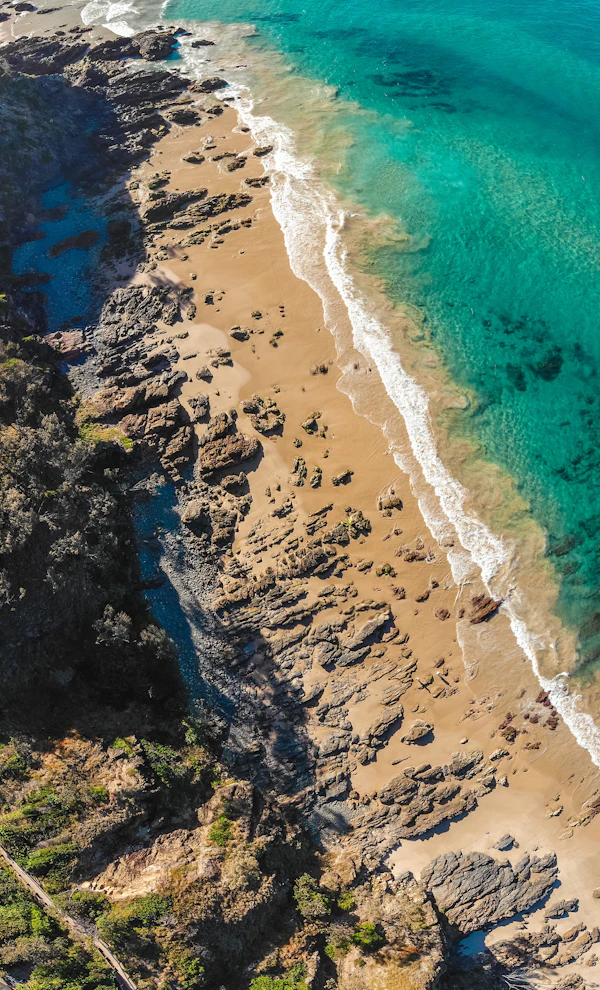
Cuba’s Caribbean beaches are among the most underappreciated family beach destinations in the region — primarily because the Cuba reputation focuses on Havana culture rather than beach tourism. But Varadero’s 20km of protected, shallow white sand beach is genuinely one of the best family beach environments in the Caribbean. The water stays shallow for a long distance offshore, wave action is minimal due to the bay orientation, and the resort infrastructure has specifically improved family programming since 2018. The northern cayos — Cayo Coco and Cayo Santa María — offer even more protected water with less crowd pressure. See the complete Varadero guide, the 15 best Cuba beaches guide, and the Cuba with kids guide for the full family picture.
Cuba also wins on cost. An all-inclusive week in Varadero consistently undercuts comparable Dominican Republic, Cancun, or Jamaica all-inclusive options by 20–40%. The family-friendly Cuba hotels guide covers specific properties with kids clubs and child-appropriate pools. For families choosing between Cuba and neighbouring destinations, see the Cuba vs Dominican Republic for families comparison and Cuba vs Jamaica.



The Caribbean hurricane season runs June–November, with August–September being the most active months. Family holidays to any Caribbean destination during this period carry risk — not just from direct hurricane impact but from the unsettled weather, increased rain, and resort closures that can follow. The November–April dry season is when Caribbean family beach holidays are most reliable. See the Cuba hurricane season guide for specific Cuba timing, and always purchase travel insurance with hurricane cancellation coverage regardless of the season. The Cuba travel insurance guide covers what to look for in policies.
Mediterranean Family Beaches: Shallow Bays and Summer Certainty
The Mediterranean’s key advantage for family beach holidays is predictability. The summer season (June–September) delivers reliable sunshine, warm sea temperatures, and the calm conditions that go with a largely enclosed sea with minimal tidal variation and limited swell. The water temperature is warmer than you’d expect — 25–28°C in summer — which extends the swimming season in both directions. The main challenge with Mediterranean beaches is finding the ones with genuinely calm water and fine sand, since the region also has plenty of rocky shores, exposed coves, and pebble beaches that don’t work well for young children.
Crete: The Mediterranean Family Beach Island
Crete has more consistently good family beaches than any other single Mediterranean island — a combination of geography (the north coast’s sheltered bays and the protected southern beaches) and infrastructure that has been catering to family tourism for thirty years. Elafonissi in the southwest is the showpiece: a lagoon beach with pink-tinted sand and water so shallow you can walk several hundred metres and it barely reaches your waist. Balos lagoon, accessible by boat or a 3km walk, has similarly protected, shallow water but is more remote. Malia and the Hersonissos area have the most concentrated family resort infrastructure. The practical advantage of Crete for UK/European families is direct flights from dozens of regional airports at much lower prices than Caribbean alternatives.
Sardinia: The Mediterranean’s Best Sand
Sardinia’s beaches — particularly in the south (Villasimius area) and the southwest (Sant’Antioco peninsula) — have sand quality that approaches Caribbean standards: white, fine, and soft. The water clarity is extraordinary. La Pelosa in the north is a small beach where crystal-clear water stays very shallow over a sandy seabed — exactly the right conditions for young children. The main practical issue is that the best beaches can be very busy in July and August; the shoulder season (June and September) delivers better conditions with significantly smaller crowds. Sardinia suits families with children old enough to manage beaches without facilitated resort infrastructure (4+).
Croatia: Calm Water but Watch the Pebbles
Croatia’s Adriatic coast has excellent, calm water but a significant proportion of pebble beaches that aren’t ideal for young children. The family-safe approach is to focus specifically on the sandy beaches — Bačvice beach in Split, several beaches on the Pelješac peninsula, and the organised beaches in resort areas around Dubrovnik. The Adriatic is the calmest of Mediterranean seas, making Croatia’s waters genuinely child-friendly from a wave perspective. Book sandy beaches specifically; Croatia’s “beach” designation includes many pebble and rock environments.


Asia Pacific Family Beaches: Lagoons, Reef, and the World’s Best Water
The Indo-Pacific region produces the world’s most spectacular family beaches when conditions align — protected coral reef lagoons with water so clear you can see the bottom at three metres, fine white sand, and water temperatures above 28°C year-round. The challenges for family travel are primarily practical: long-haul travel with children, health considerations in tropical environments, and the significant variation in facility quality between resort levels. When the accommodation choice is right, Asia Pacific beaches deliver family beach experiences that are genuinely incomparable.
Langkawi, Malaysia: The Family Beach That Doesn’t Get Enough Credit
Langkawi is significantly underrated as a family beach destination. The beaches at Pantai Cenang and Tanjung Rhu are sheltered, shallow, and have warm water (29–31°C year-round). The resort infrastructure is substantial without being overwhelming. Getting here is easier than the Maldives — Langkawi has its own international airport with connections to Kuala Lumpur (45 minutes), Singapore (direct), and Bangkok. Accommodation from budget to five-star. The water at Tanjung Rhu is exceptional — protected by adjacent islands, very shallow, and clear. For families choosing between Langkawi and other Southeast Asian options, it consistently beats comparable Thailand beaches on calm water and facility quality.
Protected Bays in Thailand: Avoid the Well-Known Wrong Ones
Thailand has extraordinary beaches, but the family choice requires real selectivity. The well-known beaches of Koh Samui, Phuket, and Koh Phi Phi have waves, drop-offs, and jellyfish seasons that make them problematic for young children. The family-safe Thailand beaches are specifically in protected bays: Ao Nang in Krabi (calm during season), the western beaches of Koh Lanta (very sheltered), and Koh Mook’s Emerald Cave section. Hua Hin on the Gulf side has calm water and is the most practical family beach for Bangkok-based travelers. Research the specific bay orientation and season before choosing Thailand. The comparison guide for Cuba vs Thailand for long-haul travelers addresses the family travel angle in the broader destination comparison.
Maldives: The Gold Standard for Small Children
The Maldives private island resort model is, logistically, the best family beach environment in the world for children under five. Every resort island has an in-house lagoon — essentially a private beach with water that’s extremely shallow, calm, warm, and clear. There are no rip currents, minimal wave action, and the water temperature never drops below 29°C. The price tag is genuinely high (most resorts start at $600–800/night), but the family logistics are uniquely smooth. For families willing to pay this premium for a first international beach trip with toddlers, the Maldives removes most of the uncertainty from the equation.
“The best family beach holiday I ever had was not at the world’s most famous beach. It was at an unremarkable-looking bay in Langkawi where the water was fifteen centimetres deep for thirty metres out, the sand was soft, there was a restaurant ten metres from the waterline, and my three-year-old had the time of her life for four hours without once needing to be rescued from anything.”
Americas Family Beaches: Florida, Mexico, and Beyond
North American families are well-served by some genuinely excellent domestic and near-international family beach options. The Gulf Coast of Florida delivers the combination of calm water, powdery white sand, and practical family infrastructure that puts it in the global top tier. Mexico’s Pacific Coast at Los Cabos has protected bay beaches that are excellent. The Caribbean coast of Mexico (Tulum, Playa del Carmen) has similar calm water to the Caribbean island destinations. Puerto Rico combines US practicality (no passports for US citizens, familiar infrastructure) with genuine Caribbean beach quality.
Siesta Key and Clearwater, Florida
Siesta Key on Florida’s Gulf Coast is frequently ranked the number one US beach for reasons that align precisely with family beach criteria: the sand is quartz crystal, stays cool even on hot days, is so fine it squeaks when dry, and is impossible to dislike. The Gulf’s calm nature means minimal wave action. Clearwater Beach, further north near Tampa, has excellent facilities and a compact resort strip that makes logistics simple. Both are easily accessible from major Florida airports. For families based in the US, the Gulf Coast Florida beaches deliver Caribbean-adjacent quality at domestic travel costs.
Mexico: Cancun vs the Real Options
Cancun’s Caribbean-facing beaches (Hotel Zone) are calm and warm, making them technically good family beach environments despite the resort-strip nature of the development. Isla Mujeres (accessible by ferry from Cancun) has Playa Norte, a genuinely outstanding beach with calm, shallow water that outperforms anything on the Cancun strip. Los Cabos on the Pacific side has protected bay beaches (Medano Beach specifically) that are safe for children despite the Pacific location. A comparison between Cuba and Mexico for families — both with strong Caribbean beach options — is available in the Cuba or Mexico for a beach holiday guide.
Puerto Rico
Puerto Rico’s family beach advantage for US travelers is practical: no passport required, US-standard healthcare infrastructure, familiar food environment, and genuinely good Caribbean beaches. Flamenco Beach on Culebra island is consistently rated the best beach in Puerto Rico — calm, shallow, and with the white sand and turquoise water that Caribbean beaches deliver at their best. The island of Vieques has bioluminescent bay tours that are genuinely extraordinary experiences for children old enough to appreciate them (6+). See the Cuba vs Puerto Rico comparison for the broader destination decision.
Family Beach Destinations: The Full Comparison
| Destination | Water Safety | Sand Quality | Family Facilities | Value | Journey | Best Age |
|---|---|---|---|---|---|---|
| Varadero, Cuba | Excellent | Excellent | Strong (AI) | High value | Medium-long | All ages · Toddlers ✓ |
| Cuba Northern Cayos | Outstanding | Excellent | Good (AI) | High value | Long | All ages |
| Bávaro, D.R. | Excellent | Excellent | Outstanding (AI) | Moderate | Medium-long | All ages |
| Grace Bay, T&C | Outstanding | World-class | Good, limited | Premium | Medium-long | All ages |
| Elafonissi, Crete | Excellent | Outstanding | Moderate | Good value | Short (Europe) | 3+ years |
| Sardinia (south) | Very good | Excellent | Moderate | Moderate | Short (Europe) | 4+ years |
| Langkawi, Malaysia | Very good | Excellent | Strong | Good value | Long | All ages |
| Maldives | Outstanding | World-class | Outstanding | Premium | Long | All ages · Toddlers ✓ |
| Siesta Key, Florida | Excellent | Outstanding | Strong | Good value (US) | Short (US) | All ages |
| Puerto Rico | Very good | Excellent | Strong (US) | Moderate | Short (US) | 3+ years |
Choosing the Right Accommodation for a Family Beach Holiday
The accommodation choice for a family beach holiday matters more than for most other travel types because children impose specific requirements that don’t resolve themselves the way they do for adult-only travel.
All-Inclusive Resorts: The Easy Option That’s Sometimes the Right Option
All-inclusive resorts work well for families because they solve the most common family travel stress: feeding children at unpredictable times without the need to find a restaurant willing to accommodate a four-year-old who only wants plain pasta. The kids’ club eliminates some of the parental holiday exhaustion. The enclosed property removes the constant navigation question of where everyone is. For Caribbean family holidays specifically, the all-inclusive model dominates the market — see the all-inclusive vs independent Cuba guide, the Meliá Cuba guide, and the Iberostar Cuba review for specific property assessments.
Private Villas: Better for Older Children and Larger Groups
Private villa rentals work better with children once they’re past the toddler stage — roughly 6+ years. The independence, the private pool, the ability to eat dinner at 5:30pm without affecting anyone else, and the space for children to run around without managing them in public spaces all represent genuine advantages over hotel accommodation. See the Cuba villa rentals guide for the Caribbean private villa option. For Sardinia, Greek islands, and Croatia specifically, villa rental is the dominant family accommodation model and typically represents significantly better value than hotel stays for groups of four or more.
Casas Particulares: The Cuba-Specific Option Worth Considering
In Cuba specifically, casas particulares — private home rentals — can be an excellent family option, particularly for families with children aged 5+. The host family context, home-cooked breakfasts, and local knowledge are all valuable with children. The casa particular guide covers what to look for when booking with children, and the casa etiquette guide helps set expectations.
What to Pack for a Family Beach Holiday
Family beach holidays have specific packing requirements that general travel packing lists don’t address. These are the genuinely important additions.
- SPF 50+ children’s sunscreen in quantity. More than you think you need. Tropical beach destinations have UV indices that are genuinely different from home, and reapplication after swimming is non-negotiable. Buy before you leave — availability and quality at destination varies. For Cuba specifically, sunscreen is in short supply; see the Cuba medications guide.
- UV-protective rash vests for children. A long-sleeve UV 50+ rash vest means the torso is protected without constant reapplication, reducing the SPF burden to face, arms, and legs. Children wear these in the water; they dry quickly.
- Sand shoes / aqua socks. For younger children, rocky entry points, and any beach where the sand quality is uncertain.
- Portable shade. A pop-up beach tent or beach umbrella gives you control over shade regardless of what the beach provides. For infants and toddlers who can’t tolerate full sun exposure, this is non-negotiable.
- Dry bags for phones and documents. Children splash. Everything gets wet eventually. A dry bag for your phone and the accommodation documents is cheap insurance.
- Rehydration sachets. Children dehydrate faster than adults in heat. Oral rehydration sachets (available at pharmacies, better packed than bought in-destination) address the early stages of dehydration before it becomes a medical issue.
- Children’s first aid kit. Antiseptic, plasters, antihistamine cream (sea creatures, jellyfish), children’s paracetamol, thermometer. For Cuba, see the full Cuba packing list.
UV radiation reaches peak intensity between 10am and 3pm at tropical destinations. The most effective sun protection for children at the beach isn’t a higher SPF — it’s being in the shade or water only during the lower-UV hours of the day (before 10am, after 3pm). Building your beach day around a genuine midday break (in shade, inside, or in a pool under cover) does more for children’s skin than upgrading from SPF 50 to SPF 100. Both are needed; the timing is the primary protection.
📋 Family Beach Holiday — Pre-Trip Checklist
- Destination research: confirmed beach is shallow and protected
- Travel insurance with children’s medical coverage confirmed
- Passports valid 6+ months beyond return date for all family members
- Visa / entry requirements checked for all nationalities
- SPF 50+ children’s sunscreen — quantity for full trip packed
- UV rash vests for all children packed
- Sand shoes / aqua socks packed for each child
- Portable beach shade (tent or umbrella) packed or pre-ordered
- Children’s medications: paracetamol, antihistamine, antiseptic
- Rehydration sachets packed
- Dry bags for phones and documents
- Resort / villa / casa particular booked and confirmed in writing
- Airport transfers arranged — don’t arrive at a beach destination with children without a confirmed transfer
- Beach day timing planned: 8–11:30am, lunch break, 3:30–6pm
- Hurricane season checked for Caribbean destinations (avoid Jun–Oct)
Frequently Asked Questions
Choosing the Right Beach for Your Family
The beaches in this guide all work for families — but the right one depends on where you’re flying from, what your children’s ages and temperaments are, what the holiday budget looks like, and whether you want pure beach immersion or some cultural context alongside it.
For European families, Crete and Sardinia are accessible and excellent. For North American families, Cuba’s Varadero and the northern cayos represent a Caribbean beach option that consistently undercuts comparable destinations on price while matching them on beach quality. For long-haul budget families, Langkawi delivers Asia-Pacific beach excellence at prices that make the 12-hour journey worthwhile. For families who want to spend money on one genuinely exceptional experience, Turks and Caicos or the Maldives deliver beach conditions that are genuinely without peer.
Whatever you choose, the things that make it work are the same everywhere: book accommodation that tolerates children’s rhythms, prepare for the sun properly, plan your beach hours around the UV peak, and accept that some beach days with children are chaotic and excellent at the same time.
Published on hotelhavanaerror.com · Last updated May 2026
