

Varadero Beach Complete Guide: What to Expect, Where to Stay, and What to Skip
Twenty kilometers of unbroken white sand, a hundred-plus all-inclusive resorts, and a fishing village turned tourism strip. This is the honest field guide — what’s worth your money, what’s overhyped, and what to skip outright.

Varadero Beach Complete Guide: What to Expect, Where to Stay, and What to Skip
Twenty kilometers of white sand, a hundred-plus all-inclusive resorts, and a former fishing village turned tourism strip. The honest field guide.
Varadero is the answer to a specific question: where on Earth can I have a guaranteed sun-and-sand week, with zero logistics to think about, in calm Caribbean water, at a defensible price? If that’s your question, Varadero gives you a better answer than almost anywhere else in the Americas. The beach is genuinely one of the best in the Caribbean, the resorts work, and the whole machine is engineered for “I arrived, I sat down, I do not move for seven days.”
It’s also a destination that gets badly mismatched to travelers all the time. Varadero is not Cuba in any culturally meaningful sense — it’s a 20-kilometer peninsula of resorts built specifically for foreign visitors, and travelers who arrive expecting Havana on a beach end up disappointed. This guide is honest about all of that: what Varadero is brilliant at, what it’s mediocre at, and what to actively skip when you’re there.
What follows is the practical breakdown — the beach itself stretch by stretch, where to stay across every budget level, the food situation (mixed), the activities worth doing, the four things to skip, and the logistics of getting there and back. Plus the honest answer on who Varadero is right for and who should book somewhere else instead.
What Varadero Actually Is (and What It Isn’t)
Varadero is a thin peninsula jutting east from the north coast of Cuba, about 140 km from Havana and 32 km from the city of Matanzas. The peninsula is roughly 20 km long and only a few hundred meters wide at most points — so narrow that on most parts of the strip you can walk from the resort beach across the road and reach the bay-side mangroves in five minutes. The beach itself runs the full length of the peninsula on the north (open-Atlantic) side and is what put Varadero on the map in the 1930s. Before tourism, this was a small fishing village. There’s a tiny grid of original streets behind the resort strip that’s still recognizably the original town, but most travelers never see it.
What Varadero is: a purpose-built international beach resort destination. The all-inclusive model dominates — over 50 resorts operate along the peninsula, most of them in the 4- or 5-star bracket, almost all running on the standard formula (unlimited buffet meals, unlimited drinks, included entertainment, beach access, sometimes water sports). The clientele is predominantly Canadian, with significant European and Latin American shares; the United States is a smaller slice due to ongoing travel restrictions. The infrastructure is solid — international airport (VRA) right at the entrance to the peninsula, hospital, taxis, ATMs that occasionally work for foreign cards.
What Varadero isn’t: a culturally Cuban experience. There is essentially no traditional Cuban life on the peninsula because the peninsula didn’t have much pre-1930. The food at most resorts is “international buffet with Caribbean touches,” not Cuban cuisine. The music is mostly cover bands. The architecture is concrete-and-stucco resort design from the 1990s onward. Travelers who want any of that need to either day-trip to Havana or factor in time elsewhere on the island. For context on the broader comparison, our 15 best beaches in Cuba piece ranks Varadero’s main beach against the cayos and lesser-known options.

What to Expect: The Real Day-to-Day
A Varadero week has a predictable rhythm, and that’s mostly the point. Travelers who want that rhythm love it; travelers who don’t get bored by day four. Here’s what the days actually look like.
Morning
You wake up at a reasonable hour because nobody’s pushing you to do anything. Breakfast at the resort is a buffet — eggs cooked-to-order at a station, tropical fruit, pastries, a coffee that’s drinkable but not great. The breakfast crowd is light because half the resort is hungover. You’ll have a table by the window or out on the terrace with a view of the beach. Most resorts close breakfast at 10:30; this is the only schedule you have to keep.
By 10am you’re on the beach. The sand is genuinely the soft, squeaky-when-you-step kind, the water is shoulder-deep within ten meters of shore and stays that way for fifty meters out. The sun is intense — Cuba sits at 23°N — and shade is at a premium. Most resorts have palapas or umbrellas, but they go quickly; if you want one, claim it by 9am or learn to nap with a hat over your face.
Midday
Lunch is at the resort and is — depending on the resort tier — either a buffet rerun of breakfast with grilled additions, or a slightly more interesting beachside grill with fresh fish. Drinks at the swim-up bar start arriving. The sun is at full intensity from noon to 3pm and the smart move is to retreat indoors or to deeper shade — the worst sunburns happen between 1pm and 3pm to travelers who underestimate Cuban sunlight even when they’re in the water.
Afternoon
Back on the beach as the heat drops. This is the best beach window of the day — 3:30 to 6pm — when the light angles in, the temperature is perfect, and the daytime crowd is thinning. Many travelers do their best snorkeling, jet-skiing, or catamaran trips in this window because conditions stabilize. The light turns golden around 6pm and the sunset, depending on which part of the strip you’re on, is genuinely spectacular — broad horizons, layered colors, no buildings in the way.
Evening
Dinner at the resort, either at the main buffet (variable) or at one of the specialty restaurants the resort runs (usually Italian, Asian, “international,” and one Caribbean spot). The specialty restaurants are reservation-only and the better ones book out the same morning — make the reservation when you check in. After dinner the resort entertainment kicks in: a show that’s usually Cuban-music-themed and capable rather than spectacular, then a disco that runs until 1 or 2am. This is where the night ends for most guests. A few venture into the town for the small handful of bars there, but for most Varadero travelers, “going out” means walking to the resort’s nightclub.
The defining feature of a Varadero week is its lack of decisions. You’ll eat where you eat, you’ll drink what you drink, you’ll lie where you lie. For travelers who want this, it’s exactly right. For travelers who don’t realize they’re booking that, it’s the source of most disappointments.
The Beach Itself: Stretch by Stretch
The mistake travelers make about Varadero is treating the beach as one undifferentiated strand. It isn’t. The 20 km of beach divides naturally into three meaningfully different sections, and which one your resort sits on shapes your week.
The Town Section (km 0–6) — Western End
This is the original part of Varadero, where the old fishing village still exists. The beach here is narrower than further east, the sand is excellent but slightly more populated by local Cubans (this is the section that Cubans themselves use on weekends), and the resorts are older, smaller, and lower-rise. The advantage of this end is access to the actual town — small paladares, the Calle 62 strip with its handful of bars, and the local market. The disadvantage is that the beach is busier and the resorts are generally lower-spec. Best for budget-conscious travelers, second-time visitors, or anyone who specifically wants more local atmosphere.
The Mid-Strip (km 6–14) — The Resort Heartland
This is what most people picture when they imagine Varadero. Mid-tier and upscale resorts dominate — 4- and 5-star properties built mostly in the 1990s and 2000s, the buildings set back from the beach with extensive grounds. The beach is broader here, the sand consistently fine, and the water is the classic Varadero shallow-and-clear. Most all-inclusive package holidays land you somewhere along this middle section. The mid-strip is the median Varadero experience.
Eastern End (km 14–20) — The Newest Luxury Resorts
The eastern tip of the peninsula has the newest and biggest resorts — Royalton Hicacos, Paradisus Princesa del Mar, the Iberostar Selection properties, and similar 5-star territory. The beach here is at its widest, the sand at its finest, and the crowds are noticeably thinner because the resort density is lower. The drawback is that you’re 20 minutes from the town by taxi if you want to go off-resort. For travelers who chose Varadero because they don’t want to leave the resort, this is the strongest end of the strip. For travelers who want some flexibility, the mid-strip is more practical.

Cuban law guarantees public beach access everywhere on the island, and Varadero is no exception. You can stay in a $40/night casa in Varadero town and walk to the same beach the $400/night Royalton guests are using. The sand belongs to no resort. The only thing that’s resort-private is the loungers, palapas, and bar service — which means a casa stay won’t get you a chair without buying one, but the beach itself is genuinely yours to use. The mechanics of this approach are covered in our casa particular guide.
Water Conditions Through the Year
Varadero’s water is its real asset. Average temperature stays between 25°C and 28°C year-round, the shelf is exceptionally shallow (you wade for fifty meters and still don’t reach shoulder-deep), and the protection of the peninsula’s geography means significant swell is rare. The exception is winter cold fronts (December–February) when the water can drop to 23°C briefly and chop can build for a day or two. Summer (June–September) is consistently the warmest and calmest, but also the hottest above water. Spring and autumn are the best balance.
Where to Stay: Every Budget Level Compared
Varadero accommodation breaks into four meaningfully different tiers. Skipping a tier — for example, booking a 3-star when you wanted 5, or a 5-star when a 4 would have done — is the single most common mistake travelers make here. Here’s what each tier actually delivers.

Casa Particular in Varadero Town
A small but real network of casas particulares operates in the western end of Varadero town. They’re concentrated on streets like Calle 31, 33, 35 and 37, mostly within a 10-minute walk of the beach. Rooms are simple but air-conditioned, breakfasts are available for $5–8 extra (and are often the best food you’ll eat all week), and hosts give you a Cuban texture that’s completely absent from the resorts. The trade-off is no included meals, no pool, no included drinks, and a slightly older part of the strip. For travelers who want to eat at paladares, drink at local bars, and use the beach without the resort overhead, this is the smartest budget play in Varadero. The price difference funds your entire food and entertainment budget for the week.

3-Star All-Inclusive Resorts
The bottom of the all-inclusive ladder in Varadero. Properties at this tier — Be Live Las Morlas, Cuatro Palmas, Acuazul, Sunbeach — are typically older buildings with smaller rooms, basic buffet food, domestic-spirit drinks only, and limited entertainment. The location is usually in the town section (kilometres 0–6) rather than the prime resort strip. They get the job done if your only goal is a cheap beach week and unlimited rum-based cocktails, but the food can be repetitive after three days and the room quality is variable. Best for: budget travelers who want the all-inclusive structure but can’t justify mid-range pricing. Not ideal for: anyone who cares meaningfully about food quality, room comfort, or service consistency.

4-Star All-Inclusive Resorts
The Varadero mid-tier is genuinely good value and where most successful Varadero trips happen. Properties at this level — Meliá Las Antillas, Iberostar Tainos, Sol Palmeras, Memories Varadero, Be Live Adults Only — offer materially better food than 3-star (more specialty restaurants, better buffet rotation), premium-spirit drinks, larger rooms with reliable air conditioning, and pools that actually function. Locations are typically in the mid-strip with proper resort grounds. Adults-only options exist at this tier and are excellent for couples without kids. The 4-star is where the value math works best in Varadero — significantly better than 3-star, only marginally worse than 5-star, at 30–40% less cost than the top tier.
5-Star All-Inclusive Resorts
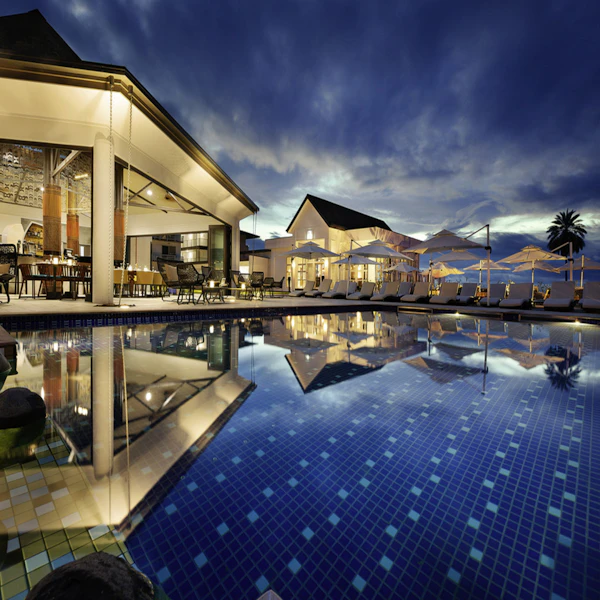
The top tier in Varadero — Royalton Hicacos, Paradisus Princesa del Mar, Iberostar Selection Bella Vista Varadero, Meliá Internacional, Grand Memories. Locations are mostly the eastern end with the widest beach access, the rooms are spacious with proper balconies, the food is substantially better with multiple à la carte restaurants instead of buffets, the spa and pool facilities are 5-star standard, and the staff-to-guest ratio is high enough that service quality is consistent. The premium over 4-star is real but selective — drinks are better, food is better, rooms are nicer, but the beach itself is the same sand. Worth it for honeymoons, anniversaries, families with high-maintenance expectations, or any trip where comfort matters more than the additional cost. Full breakdown in our 5-star resorts in Cuba guide.
If you’re a couple without kids and trying to figure out the optimal Varadero pick, the answer almost always comes back to a 4-star adults-only resort: Iberostar Tainos, Be Live Experience Las Morlas Adults Only, Royalton Hicacos (5-star but worth the bump), or Sol Palmeras’s adults-only sections. You get the quiet pool deck, the slightly better food rotation, the premium drinks, and the absence of children in the dining room — at $140–180 per night per person rather than the $280+ for a 5-star. This is the booking that quietly produces the most satisfied Varadero reviews.
The Food Situation: An Honest Read
Time for the uncomfortable part of this guide. Varadero food is the destination’s single biggest weakness. The all-inclusive buffet model — used by essentially every resort on the strip — produces volume reliably but produces interesting food rarely. Cuban cuisine is genuinely excellent, but you won’t find much of it at most Varadero resorts. Travelers who care about food at all need a workaround.
The Resort Food Reality
Resort buffets in Varadero settle into a predictable pattern: a Caribbean-themed station, an “international” station with pasta and pizza, a meat carvery (usually pork or chicken), a salad bar, a dessert station. Quality varies sharply between resorts — Royalton, Iberostar Selection, Meliá Internacional consistently rank above average; the 3-star end is rougher. The specialty à la carte restaurants at 4- and 5-star resorts are usually substantially better than the main buffet, but they’re reservation-only, the slots fill up fast, and they tend to repeat their menus on a weekly cycle that gets predictable.
What’s almost always missing from resort food: bold seasoning, fresh seafood prepared simply, real Cuban classics (ropa vieja, picadillo, lechón asado) cooked the way they should be, and the kind of regional variety you’d find in any Cuban city. The food isn’t bad. It’s just resort food.
The Workaround: Paladares in Town
A small but growing network of privately-owned paladares operates in Varadero town and at scattered locations along the strip. The good ones — Salsa Suárez, Casa de Al, Varadero 60, La Vicaria, Restaurante Esquina Cuba — serve genuine Cuban food at a level the resorts never reach. Prices are modest for travelers ($15–30 per head for a proper meal) and the experience of leaving the resort even once, eating somewhere with character, and returning with a slightly fuller sense of being in Cuba does a lot for an otherwise insulated week. For context on Cuban cuisine more broadly, see our 20 dishes you must eat in Cuba.
If you’re staying at an all-inclusive, build a “two paladar meals” rule into your week: at least two dinners off-resort at properly Cuban paladares. The cost over the week ($60–120 for two people) is trivial against your total trip budget. The improvement to your overall food experience and your sense of having actually been in Cuba is substantial. Hotel concierges will arrange transport, or you can take a $10–15 taxi each way to town.
What to Do Beyond the Beach
The honest case for Varadero is that the beach is supposed to be the activity. But if you have seven nights and you’re not ready to sit on sand for all of them, here are the additions that actually deliver. Skip the ones not on this list.
Snorkeling at Cueva Saturno or Coral Beach
Cueva Saturno — a freshwater cave 15 minutes from the strip — is one of the best swim spots in Cuba. Clear water, dramatic cave geology, easy to reach by taxi ($15 each way), $5 entrance fee. Coral Beach, on the other side, has reef snorkeling reachable from the strand. Both are vastly more interesting than spending another afternoon at the resort pool. Detailed gear advice and best spots in our snorkeling guide.
A Day Trip to Havana
The Havana day-trip is the single best excursion from Varadero. Two hours each way by Viazul bus ($10), private taxi ($90–120 round trip for two), or via your resort tour desk ($60–80 per person on a guided trip). Spend the day walking Old Havana, eating at a paladar, listening to live music, and seeing the four hundred years of architecture that the peninsula doesn’t have. It will reset your sense of what Cuba is. For deeper Havana context the first-timer’s Havana guide walks through what to prioritize on a one-day visit.
Scuba Diving in the Bay of Pigs
Two hours south of Varadero, the Bay of Pigs has some of the most accessible reef diving in the Caribbean. Several Varadero dive operators run day trips ($80–120 per person, includes equipment). Excellent for certified divers; intro dives are available for newbies. The reef walls drop into open ocean at points and visibility is regularly 25+ meters. Specifics in our scuba diving guide.
The Catamaran Day Cruise to Cayo Blanco
This is the Varadero classic excursion — a catamaran sail to a small offshore cay with lunch, snorkeling, swimming, open bar. Sounds touristy because it is, but it’s genuinely a good day out. $65–85 per person, full day, picks you up from the resort. Worth doing once.
Horseback Riding
Several stables operate small rides through the inland mangrove and farmland behind the strip. Quieter than the equivalent in Viñales but still pleasant. $25–35 per person for 2–3 hours. The full Cuban horseback experience is better in Viñales — see our Viñales horseback piece — but if you have an afternoon and want something off the sand, this works.
✗ What to Skip in Varadero (Honest List)
- The “Tropicana Matanzas” cabaret show. The Havana original is the genuine article. The Matanzas spin-off is a watered-down version at full Havana prices ($75–95 per person), and the food included is mediocre. If you want Tropicana, do it as part of your Havana day trip instead.
- Booze-cruise “party boats.” Different from the legitimate Cayo Blanco catamaran day — these are smaller boats with louder music and lower-grade rum that mostly attract the spring-break demographic. The combination of strong sun, strong drink and small boats produces predictable outcomes. Skip.
- Resort gift shops for souvenirs. Prices are 2–3x what you’d pay at the artisan markets in Havana or even in Varadero town. The same cigars, same Che t-shirts, same rum. Buy elsewhere — particularly cigars and rum, which are massively cheaper in proper Havana shops.
- The “swim with dolphins” attractions. The marine parks holding dolphins in Varadero are widely criticized by animal welfare groups. The dolphins are kept in small saltwater pens. The experience is fleeting. The ethics are bad. Don’t.
- Cheap “bus tours” sold by resort tour desks. A handful of the bus tours sold on-resort are well-run, but many are aggressive shopping tours dressed up as cultural excursions, with multiple “stops” at gift shops where guides earn commissions. Ask your tour desk specifically what each stop is before booking.
- Buying excursions from beach hustlers. Friendly Cubans on the beach will offer cigar deals, taxi tours, day trips. Some are legitimate; many are scams or sub-standard alternatives to the resort tours. If you book off-resort, book through your casa host or a verified operator, not someone who approached you while you were swimming.
- The all-inclusive bottom tier in peak season. 3-star all-inclusives are decent value off-season but in December–April they’re nearly the same price as 4-stars while being substantially worse. Pay the upgrade.
Real-World Cost Breakdown for a Varadero Week
| Cost Item | Casa Approach | 4-Star AI | 5-Star AI |
|---|---|---|---|
| Accommodation (7 nights) | $250–$450 | $1,000–$1,300 | $1,800–$3,000 |
| Meals (off-resort) | $200–$350 | included | included |
| Drinks | $80–$140 | included | included |
| Local transport | $40–$80 | $10–$20 | $10–$20 |
| 2 paladar dinners (off-resort) | $60–$120 | $60–$120 | $60–$120 |
| 3–4 excursions | $150–$280 | $150–$280 | $150–$280 |
| Tips & misc | $50–$100 | $80–$150 | $120–$200 |
| 7-night total (per person) | $830–$1,520 | $1,300–$1,870 | $2,140–$3,620 |
The numbers reveal something worth noticing: the casa approach genuinely is cheaper, but only if you stay disciplined about meal spending. Travelers who go casa and then eat at the most expensive paladares every night can end up spending the same as a mid-tier all-inclusive. The all-inclusive math wins when your alternative would be three full restaurant meals plus drinks per day. The casa math wins when you actually cook at the casa some mornings, eat cheap lunches, and pick your dinner spots carefully. For full context on Cuba budgeting overall, our $50-a-day Cuba budget piece covers the principles.
When to Visit Varadero
Varadero Season Breakdown
The honest timing answer for Varadero is March or April. The weather is warm, dry, and pleasant; prices have dropped 15–30% from the December–February peak; the European crowds have largely cleared; and the water is warming back up after any winter cold fronts. The peak season works perfectly well, but you pay top dollar for it. For a full month-by-month breakdown of Cuban weather and pricing, the timing guide covers it.
Trips between mid-August and October carry real hurricane risk. Most major storms in recent years have hit the south coast harder than the north (Varadero), but Varadero has been disrupted multiple times by tropical systems passing nearby. The cheap travel insurance policies often exclude weather-related disruption — read the small print carefully. Our Cuba travel insurance guide covers which policies actually pay out for trip interruption and evacuation.
Getting to Varadero (Three Realistic Options)
Direct International Flight to VRA (Varadero Airport)
The simplest option. Juan Gualberto Gómez International Airport (VRA) sits right at the entrance to the peninsula. Most package holidays from Canada and Europe fly directly here. Transfer time from airport to resort is 15–45 minutes depending on which end of the strip you’re staying at. The downside is fewer flight options than Havana — VRA serves mostly charter and seasonal scheduled flights, and from the US there are no direct options. From Canada, multiple weekly direct flights from Toronto, Montreal, and several other cities. From the UK and continental Europe, direct charters in season.
Fly to Havana, Transfer to Varadero
The right choice if you can’t get a direct VRA flight, or if you want to combine Varadero with even a day in Havana. Land at HAV (José Martí International), do a couple of nights or just a day in the capital, then transfer to Varadero. The transfer is 2 hours by Viazul bus ($10 per person), shared taxi colectivo ($20–25 per person), or private taxi ($70–100 total for up to 4 people). Resort tour desks also arrange airport-to-Varadero pickups, often included in package holidays. Information on the cheapest flight options to Havana is in our cheapest ways to get to Cuba guide.
Land Transfer from Other Cuban Cities
If Varadero is one stop on a longer Cuba trip — coming from Cienfuegos, Trinidad, or Santa Clara — Viazul buses connect all major cities with Varadero. The journey times are honest: 3 hours from Santa Clara, 5 hours from Cienfuegos, 6 hours from Trinidad. Most travelers doing a multi-stop Cuba trip put Varadero at the end so they fly out from VRA directly. Combining the strip with Havana plus a colonial town is the classic 10-day Cuba structure.
↗ Considering adding Trinidad to your Cuba route? Here’s the full guide.Practical Tips That Make a Real Difference
- Cash on arrival is essential. Bring all the money you’ll spend off-resort with you. Most Varadero ATMs don’t reliably accept foreign cards, and even when they do, the fees and exchange rates are brutal. Bring euros, Canadian dollars, or UK pounds — they convert at better rates than US dollars at the CADECA exchange bureaus on the strip. The full mechanics are in our cash in Cuba guide.
- Specialty restaurant reservations on day 1. The à la carte restaurants at every 4- and 5-star resort take reservations on a same-day or one-day-ahead basis. The good ones fill up by 10am. Visit reception your first morning and book your specialty meals for the whole week before anyone else does.
- The mid-strip beach is the best for long walks. If you like a beach walk, start at the eastern end and walk west — the curve of the peninsula puts the afternoon sun behind you and the prevailing wind at your back. A 90-minute walk gets you to roughly the mid-strip and you can take a $10 taxi back.
- Wifi at most resorts is paid or limited. Even at 5-star resorts, in-room Wi-Fi is often a per-hour charge or restricted to lobby zones. Buy a Cuban eSIM (ETECSA or Cubacel) before arrival, or pick up a SIM at the airport — much faster, much cheaper. See our 2026 internet in Cuba guide for specifics.
- Tipping is genuinely meaningful in Cuba. Resort staff in Varadero earn modest peso salaries; tips in hard currency materially improve their week. The standard is $1–2 per drink at the bar, $2–5 per dinner at à la carte restaurants, $1 per day for housekeeping. Tipping in CUC or US dollars is far more useful to staff than tipping in Cuban pesos.
- Sunscreen is non-negotiable and surprisingly expensive locally. Bring all the sunscreen you’ll need from home (multiple tubes, SPF 50). Sunscreen sold in Varadero costs 3–4x normal prices and the quality is patchy. Same applies to insect repellent, especially if you’re at the eastern end of the strip near the mangroves.
- What to pack is most of the work. A few specific items matter more in Varadero than they do elsewhere — proper reef-safe sunscreen, microfiber towel (resort towels are decent but small), a waterproof phone pouch, and US dollars or euros in small bills for tipping. Full Cuba packing list in our carry-on Cuba packing guide.
Is Varadero Right For You?
The most important question this guide can answer isn’t “where do you stay” — it’s “should you be going to Varadero at all.” Here’s the honest breakdown.
Varadero Is Right For You If…
- You want a guaranteed-sun beach week with zero decisions to make
- You’re a family with young children who need calm shallow water and predictable food
- You’re a couple looking for an affordable adults-only resort honeymoon — Cuba beats most of the Caribbean on price for similar quality
- You’ve been to Cuba before and want the relaxation week, not the cultural one
- You’re combining a Havana visit with a beach decompression at the end
- You specifically prefer all-inclusive resort structure over independent travel
Skip Varadero (or Limit It) If…
- This is your only Cuba trip and you want to “see Cuba” — Varadero won’t deliver that
- You’re a foodie. The resort food scene is the weakest part of the destination
- You want immersive culture, language exchange, or local interaction
- You’re a solo traveler — all-inclusive resorts are strange places to be alone
- You’re traveling under the US OFAC “Support for the Cuban People” license category — Varadero’s state-owned resorts don’t fit cleanly
- You’d find a week without choices boring
For the head-to-head decision against Havana, we’ve done a separate full comparison — see our Havana first-timer’s guide for the city side of the picture.
✈ Pre-Booking Checklist for Varadero
- Cuba e-visa applied for at evisacuba.cu and received
- D’Viajeros entry form completed within 7 days of arrival
- Travel insurance with hurricane/medical cover confirmed
- Cash brought in euros, CAD or GBP (avoid USD)
- Resort tier matched to expectations (4-star is the sweet spot)
- Mid-strip vs eastern-end location decided
- Adults-only vs family resort confirmed
- Specialty restaurant reservations planned for day 1
- 2 paladar dinners off-resort allocated in budget
- At least one excursion booked (Havana day trip ideal)
- Multiple SPF 50 sunscreen tubes packed
- Cash budget for tips set aside in small bills
Frequently Asked Questions
One last honest thought
Varadero gets dismissed by serious travelers a lot, and the dismissal is partly fair — the destination doesn’t pretend to be culturally Cuban, and travelers who expect that are right to be disappointed. But the dismissal misses something. There’s a real value in a destination that does one thing exceptionally well, and Varadero does its one thing — the beach holiday — better than almost anywhere else in the price bracket.
The mistake is mismatching what Varadero offers with what you wanted. If you wanted Cuba, go to Havana plus Trinidad or Viñales. If you wanted a week of guaranteed sun, calm water, and zero decisions, Varadero is the right answer and almost nowhere else delivers it at this price. The trick is being honest with yourself about which trip you actually wanted before you book.
Whichever side of that you land on, sort the visa, bring the cash, pack the sunscreen, and book at least one paladar dinner off-resort. Even a single trip into town for a real Cuban meal can shift a Varadero week from “fine” to “actually pretty great.” The beach does the rest.
