

Cuba or Mexico for a Beach Holiday: The Full Honest Comparison
12 categories. One winner per round. The same beaches and the same sun — but genuinely different countries with different strengths, different costs, and very different travel experiences.
The question comes up constantly: Cuba or Mexico? Both sit in the Caribbean/Gulf region, both have excellent beaches, both attract millions of visitors every year, and both are frequently served by the same airlines at comparable price points. But this is where the similarities run out. Cuba and Mexico are profoundly different countries to visit — different in their logistics, their culture, their food, their infrastructure, and the kind of traveler who ends up happiest in each one.
This guide doesn’t try to dodge that question. It compares both destinations across twelve specific categories, names a winner for each, and gives an honest overall verdict. Cuba is better than Mexico in some important ways. Mexico is better than Cuba in more. But “better overall” and “better for you” are different questions, and this guide answers both.
A quick note: “Mexico” here means the beach destinations most travelers compare with Cuba — primarily the Yucatán Peninsula (Cancún, Playa del Carmen, Tulum, Cozumel) and the Riviera Maya. Mexico’s Pacific coast (Puerto Vallarta, Los Cabos, Huatulco) is a different comparison entirely and only referenced where relevant.
Jump to section
What You’re Actually Choosing Between
Mexico’s Caribbean coast — particularly the stretch from Cancún through Playa del Carmen to Tulum — is one of the most developed beach tourism destinations on the planet. The Riviera Maya has tens of thousands of hotel rooms, hundreds of kilometres of resort-quality beach, world-class cenote swimming, the best diving in the Caribbean (Cozumel), and the most complete tourist infrastructure you’ll find anywhere in this part of the world. It also has Airbnb working perfectly, international cards accepted everywhere, and restaurants that compete seriously with major global food cities. That infrastructure also means crowds, development, some of the Caribbean’s worst overtourism in certain spots, and a tourist-bubble experience in places like Cancún that makes it feel less like Mexico and more like a theme park that happens to have Mexican staff.
Cuba is essentially the anti-Mexico in tourism terms. It has fewer hotel rooms than a mid-sized Mexican resort town. Its beaches are excellent but concentrated in a handful of areas. The all-inclusive model dominates its beach tourism. Independent travel is possible but requires significantly more planning — no Airbnb, cash only, limited English outside tourist zones. What Cuba has in return is something Mexico’s tourist corridors have largely lost: authenticity. Havana is one of the most culturally compelling cities in the Western Hemisphere. The countryside between its cities looks like 1959. And the absence of mass international tourism infrastructure means the gap between tourist experience and genuine Cuban life is much smaller than it sounds.

The 30-Second Side-by-Side

- Extraordinary cultural depth — Havana is a genuine world city
- Safest country in the Caribbean by a significant margin
- Excellent beaches (Varadero, Cayos) without Mexico-level crowds
- Cash-only economy — no US cards, requires preparation
- Visa/tourist card required; US travelers face specific restrictions
- All-inclusive focused beach scene; independent travel more complex
- Best for: culture, authenticity, safety, couples, honeymooners
- One of the world’s truly great food cultures — not resort food
- Full card acceptance, Airbnb, all digital booking platforms work
- Cenotes, ruins (Chichén Itzá, Tulum), world-class diving at Cozumel
- Safety variable by area — research current status before visiting
- No visa for most nationalities; no restrictions for US travelers
- Overtourism in Cancún and parts of Tulum; quieter areas exist
- Best for: foodies, families, convenience seekers, US card users
12 Rounds Compared, Honestly
Round 1: Beach Quality 🏖
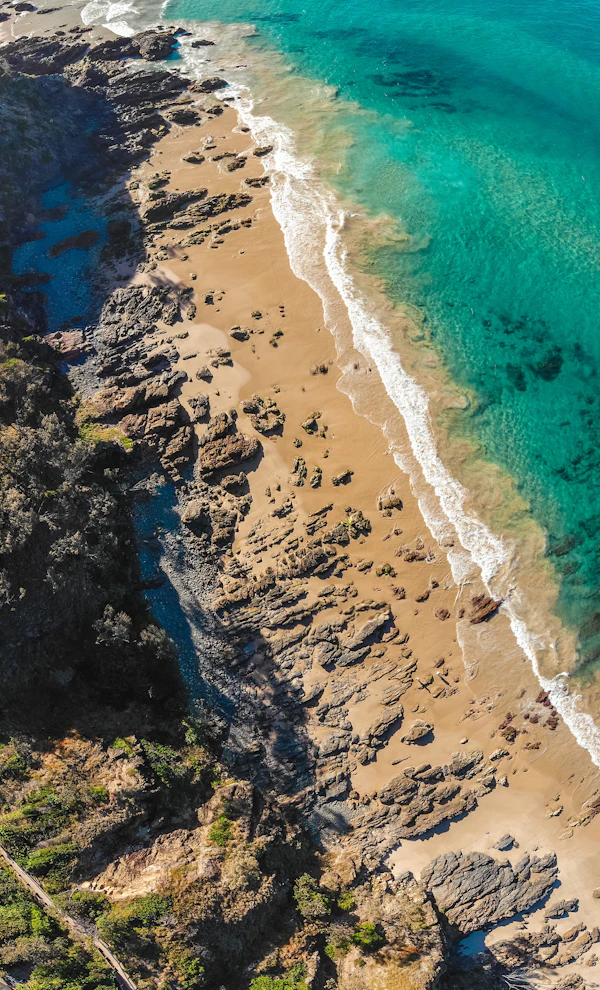
Both countries have genuinely excellent Caribbean beaches. Cuba’s best — Varadero, Playa Pilar on Cayo Guillermo, the beaches of Cayo Santa María — are legitimately world-class: fine white sand, warm Caribbean water, and a reef ecosystem that’s in better health than most of Mexico’s over-trafficked coastal sections. The best beaches in Cuba for 2026 covers the full ranking.
Mexico’s Caribbean beaches (particularly in the Riviera Maya) have the famous powdery white calcite sand and turquoise water that defines Caribbean beach imagery worldwide. Playa del Carmen and Puerto Morelos have good beaches, though sections of Cancún’s Hotel Zone have been noticeably affected by the Sargassum seaweed problem that has plagued the eastern Caribbean coast since 2015. Tulum’s beaches are beautiful but increasingly crowded. The Pacific coast beaches at Los Cabos and Huatulco play to a different strength entirely — dramatic, wilder, not for swimming in most cases.
The distinction: Cuba’s best beaches feel less crowded because the resort model concentrates guests within specific properties rather than spreading them along a public beach corridor. Mexico’s beaches are more accessible but more trafficked.
Round 2: Food 🍽
This is the most decisive round in the entire comparison, and it’s not close.
Mexican food is one of the world’s great cuisines — UNESCO-designated Intangible Cultural Heritage, and the only cuisine from the Americas to receive that recognition. The Yucatán specifically has its own distinct culinary tradition: cochinita pibil, sopa de lima, panuchos, papadzules. The street food scene in Playa del Carmen and Mexico City accessible by day trip is genuinely extraordinary. The restaurant quality at every price point in the Riviera Maya is the strongest of any comparable beach destination in the hemisphere.
Cuba’s food situation is more complex and less impressive. The revolution’s economic constraints, the US embargo, and supply chain limitations have historically produced a food culture that’s simpler and less varied than its neighbours. Havana’s paladar scene has improved significantly in the last decade, and Cuban food at its best — ropa vieja, congri, fresh seafood at the coast — is genuinely satisfying. But the all-inclusive food at Cuban beach resorts operates on a significantly lower bar than comparable Mexico options, and the variety at non-resort restaurants in beach areas is limited. The best paladares in Havana are worth seeking out — but they’re in Havana, not on the beach.
Round 3: Cost & Value 💰
Cost depends heavily on travel style, and the two countries diverge sharply here depending on whether you’re going independent or all-inclusive.
All-inclusive comparison: Cuba and Mexico are broadly comparable for all-inclusive resort prices — both range from $80–200+ per person per night depending on quality tier and season. Mexico’s all-inclusive scene has more variety at every price point; Cuba’s all-inclusive is more limited in option set.
Independent travel comparison: Mexico is more convenient (cards work, Airbnb functions, digital booking works) but doesn’t necessarily cost less than Cuba once you move off the all-inclusive circuit. Tulum’s boutique accommodation and restaurant scene is expensive by any global standard. Cancún’s mid-range hotels are competitive. Cuba’s casa particular system at $30–55/night for a private room with breakfast is genuinely affordable, and the $50-a-day Cuba budget is achievable for an independent traveler doing it properly. The honest summary is in the Cuba cost breakdown.
The wildcard: Cuba’s cash-only economy means the costs of managing your money — exchanging before travel, carrying a full trip’s worth — are real friction that Mexico’s card acceptance eliminates entirely.
Round 4: Cultural Authenticity 🎭
This is Cuba’s most decisive win in the whole comparison.
Cancún’s Hotel Zone is a 7-kilometre strip of international chains, American-style restaurants, and resorts that could be — in atmosphere if not in latitude — in Florida. It’s a very good version of what it is, but what it is isn’t Mexico in any meaningful cultural sense. Even Tulum, with its bohemian eco-aesthetic and jungle cenotes, has been substantially colonised by international aesthetic conventions and wealthy European travellers who’ve turned it into a very Instagrammable place that happens to have Mexican employees.
Playa del Carmen is better — a real town, an authentic local neighbourhood behind the Quinta Avenida tourist strip, actual Mexican daily life visible if you walk two streets off the beach. But the tourist-local divide is still sharp.
Havana is something else entirely. It’s one of the most culturally complete and genuinely distinctive cities in the Western Hemisphere — a UNESCO World Heritage Site that has been substantially preserved by the combination of its economic situation and a lack of the development pressure that has remade comparable Caribbean cities. Old Havana’s architecture, its music scene, its social dynamics, the particular texture of daily life — these are not recreations or tourist experiences. They’re a city that has continued to exist in a very specific way for a very specific set of reasons, and you can feel the difference. The first-timer’s guide to Havana is worth reading before you arrive.
Round 5: Water Activities & Diving 🤿
Mexico wins this round and it’s not a close contest.
Cozumel’s reefs are consistently ranked among the top five dive sites in the world. The visibility is extraordinary (40+ metres on good days), the reef health is among the best surviving in the Caribbean, and the combination of wall dives, coral gardens, and marine life diversity is genuinely world-class. Mexico’s cenotes — freshwater cave systems throughout the Yucatán — offer a completely different diving and snorkelling experience that’s unique to this part of the world: underwater cave systems with halocline layers and stalactite formations that look genuinely prehistoric. The River of Dreams cave system, the Dos Ojos cenote, the Gran Cenote — these are experiences available nowhere else on earth.
Cuba’s diving is genuinely excellent and significantly less well-known than it deserves to be — the Jardines de la Reina archipelago in southern Cuba is one of the Caribbean’s most pristine marine environments, with sharks, whale sharks seasonally, and coral health that far exceeds most of Mexico’s tourist-side reef. But access is restricted to live-aboard expeditions and limited operator slots, which puts it beyond most casual divers. The more accessible cayo-based diving is good but not Cozumel-calibre.
Snorkelling in Cuba is good from the northern cayos. Kayaking and fishing are Cuba’s stronger outdoor water activities for most visitors.
Round 6: Ease of Travel & Logistics ✈️
Mexico is straightforward. Book a flight, land, collect your bag, go. No tourist card, no e-visa for most nationalities, cards accepted at the airport and everywhere else, Airbnb confirmed and ready, Uber running at the terminal. The entire journey from home to beach is as frictionless as modern travel gets.
Cuba requires planning. A tourist card or e-visa must be arranged before travel. The tourist card situation has specific requirements depending on nationality and routing. Travel insurance with Cuban coverage must be sourced specifically. All cash for the trip must be organised before landing. Getting cash in Cuba is a logistics exercise in itself. The internet situation is limited. The getting-around logistics require a different approach to any other Caribbean destination.
None of this is insurmountable — millions of people navigate it every year — but it’s genuinely more demanding than Mexico. First-time Cuba visitors benefit from reading the Cuba travel tips before they arrive, ideally also the complete packing guide and the current Cuba travel situation.
“Cuba’s logistics require effort. That effort is itself a filter — the people who do it tend to be the travelers who get the most out of Cuba, because they came prepared to engage with a country rather than just a beach.”
Round 7: Safety 🛡
Cuba is among the safest countries in the Caribbean for tourists. Not theoretically safe — measurably safe. Violent crime against tourists is genuinely rare in a way that has very little to do with marketing. The absence of drug cartel activity (which defines Mexico’s more dangerous regions), a police presence that takes tourist safety seriously, and a cultural dynamic that makes violence against foreign visitors socially unacceptable in most contexts — these combine to produce a country where most visitors travel for two weeks and experience zero security incidents beyond the standard urban caution any major city requires. The honest Cuba safety assessment for 2026 covers what the actual risks look like.
Mexico’s safety picture is more complex and more variable. The tourist zones themselves — the Cancún Hotel Zone, central Playa del Carmen, Cozumel, most of Tulum — maintain a reasonable tourist-safety record that’s sustained by significant investment in private and state security. Outside those zones, the picture changes significantly. Mexico had around 30,000 homicides per year through the early-to-mid 2020s, and while the vast majority involve cartel activity with no tourist exposure, the risk level is higher than Cuba’s in absolute terms. The US State Department consistently maintains travel advisories for multiple Mexican states; Cuba consistently receives its mildest warning level.
Round 8: Nightlife & Entertainment 🎶
Mexico’s Yucatán nightlife runs from the excessive (Cancún’s Coco Bongo and the Fifth Avenue strip in Playa del Carmen) to the genuinely excellent: live music venues in Playa del Carmen, mezcal bars in Tulum with world-class DJs, and the kind of sophisticated evening culture that a well-developed international tourist scene inevitably produces. If nightlife is part of what you’re buying, Mexico delivers it at scale.
Havana’s nightlife is a different thing. The live music scene — son cubano, jazz at La Zorra y El Cuervo, salsa at Casa de la Música, the legendary Buena Vista Social Club venue — is genuinely world-class in a way that has nothing to do with how polished or expensive it is. You can hear extraordinary music in a room that looks like it hasn’t been updated since 1975, and that contrast is part of what makes it memorable. Havana’s nightlife rewards people who want to experience something authentic; it does not reward people who want a party destination with table service and a DJ booth.
Outside Havana, Cuba’s nightlife offering drops significantly. The beach resort areas don’t have the kind of independent evening culture that exists even in Playa del Carmen’s beach zone.

Round 9: Accommodation Variety 🏨
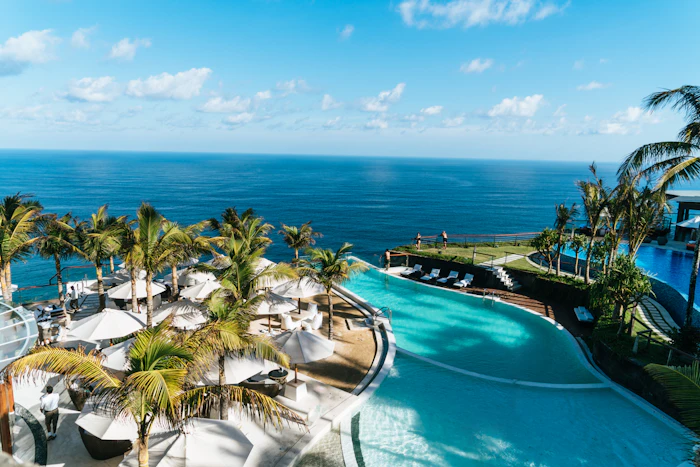
Mexico wins this round comfortably. The Yucatán accommodation landscape in 2026 includes everything from $25/night hostels to $2,000/night boutique eco-resorts in Tulum, with full Airbnb functionality, all major hotel chains, independent boutiques, and a complete range of options between all-inclusive and fully independent. Booking.com, Airbnb, Hostelworld, and direct hotel booking all function perfectly.
Cuba’s accommodation is more constrained. Airbnb doesn’t function normally in Cuba for most travelers. The digital booking infrastructure is limited. The real accommodation story is the casa particular system — private rooms in Cuban family homes — which is excellent, genuinely good value, and culturally rewarding, but requires more planning than simply opening an app. The hotel side ranges from genuine Havana luxury to budget state hotels under $60, with boutique colonial options in between. The adults-only all-inclusive category is covered for both destinations but Cuba’s is a narrower field.
Round 10: Couples & Honeymoon 💑
Both destinations work for couples, but for genuinely different reasons.
Tulum has become shorthand for romantic boutique travel — jungle cenotes, eco-chic boutique hotels with private plunge pools, mezcal at sunset, the kind of Instagrammable romance that a section of the market specifically seeks. It’s beautiful, it’s developed, and it delivers what it promises. Tulum as a honeymoon destination makes obvious sense.
Cuba for couples or honeymoon is a different proposition — more adventurous, less polished, but often more genuinely memorable. Planning a honeymoon in Cuba requires specific choices: the Paradisus Princesa del Mar’s Royal Service tier, a private colonial casa in Havana, the specific combination of beach time and city time that Cuba does better than Mexico’s primarily beach-focused resort towns. The romantic getaways in Cuba guide maps out the options; the luxury honeymoon Cuba itinerary shows what the high-end version looks like.
Round 11: Families with Children 👨👩👧
Mexico wins for families in the practical sense: Airbnb means booking a full apartment or villa without difficulty, the all-inclusive scene is heavily family-oriented, Xcaret and Xel-Há offer proper water parks and family attraction days, and the tourist infrastructure is built to handle children at every price point. The family destination comparison goes deeper on this specific question.
Cuba with children is more demanding. The all-inclusive beach resort option works fine for families — the family-friendly Cuba hotels with kids clubs exist and deliver. But independent travel in Cuba with children requires more planning around logistics, food availability, and the kind of spontaneous activities that apps make easy in Mexico. Traveling to Cuba with kids under 10 has specific preparation requirements that Mexico doesn’t impose.
Round 12: Solo Travel 🧍
Cuba is surprisingly good for solo travelers — the social dynamic in casas particulares, the ease of making contact with other independent travelers at paladares and on Viazul buses, and the particular openness of Cubans to conversations with foreigners creates a social environment that rewards solo travel. Solo travel in Cuba comes with specific advice worth reading.
Mexico has more infrastructure for solo travelers — hostels on Hostelworld, solo-friendly surf towns, and the general ease of navigating a country with full digital booking, card acceptance, and English widely spoken. Playa del Carmen particularly has a well-established solo traveler scene along the Fifth Avenue area.
Safety: solo female travel in Cuba is significantly less fraught with the kind of concerns that affect solo women in parts of Mexico’s tourist zones. This is a real factor for that traveler demographic.
The US Traveler Question — A Separate Section
For travelers from the United States, Cuba and Mexico aren’t just different destinations — they’re in different regulatory categories.
Mexico has no special requirements for US citizens beyond a passport. It’s the most popular international destination for Americans, with direct flights from dozens of US cities, no visa requirement, and zero financial restrictions on spending.
Cuba requires US travelers to travel under an OFAC license category. The most commonly used is “Support for the Cuban People,” which applies to independent travelers staying at casas and engaging with Cuban society directly rather than channeling money into state-managed all-inclusive resorts. Whether US citizens need a special license for Cuba in 2026 is a question worth answering specifically. No US-issued card works in Cuba. US travelers must bring all cash for the trip. The Cuba travel tips cover the full implications for American travelers specifically.
Americans visit Cuba legally every year — through legal license categories, through routes via Mexico or Panama, with the cash logistics sorted before landing. It’s genuinely more complicated than Mexico, and the financial restrictions (no US cards) add a layer that other nationalities don’t face. The question is whether the experience of Cuba justifies that additional friction — for many US travelers who’ve done it, the answer is emphatically yes. But it’s a more conscious choice than booking a Cancún resort.
The Final Scorecard
The Verdict — And Who Should Still Choose Cuba
Overall winner for most travelers: Mexico. The combination of food quality, ease of travel, card acceptance, accommodation variety, diving (Cozumel is genuinely world-class), family infrastructure, and the absence of regulatory complexity gives Mexico a practical advantage that’s real and significant for the majority of travelers planning a beach holiday. Mexico won five rounds; Cuba won three. That margin reflects genuine differences in what each destination offers.
But here’s the part that the scorecard doesn’t fully capture:
Cuba is the right choice if you are:
- A traveler who prioritises cultural depth and authenticity above convenience — Havana and the surrounding country is simply unlike anywhere else accessible from North America or Europe, and that uniqueness has real value
- A solo traveler, particularly a solo woman, for whom the safety gap between these destinations is a meaningful factor
- A couple who wants a genuinely memorable destination rather than a beautiful backdrop — the difference between a trip you enjoyed and a trip you still talk about five years later
- Someone who finds Mexico’s Riviera Maya tourist corridor too developed and wants something that hasn’t been turned into an international product yet
- A traveler who has done Mexico before and wants something significantly different
- A US traveler willing to manage the logistics because the destination itself justifies the friction
Cuba doesn’t win the scorecard. It wins for the specific traveler who values what Cuba specifically offers — and for that traveler, the margin of Mexico’s overall advantage becomes irrelevant.
Both Cuba and Mexico’s Yucatán appear as error fares multiple times per year. Cancún is one of the most competitive routes globally for cheap transatlantic and domestic US flights. Cuba routes from the UK, Canada, and (with more complexity) the US also surface genuine pricing mistakes with regularity. The error fare guide covers how to position yourself to catch these when they drop. For Cuba specifically, the cheapest ways to get to Cuba from the US, UK, and Canada is the starting point. For the cheapest month: the cheapest month to visit Cuba guide runs the flight and hotel data comparison.
