

Is Varadero Still Worth Visiting in 2026? An Honest Beach Lover’s Verdict
The beach is still excellent. Some of the resorts are still genuinely good. But Cuba’s economic situation has changed what a week here actually looks and feels like — and which resorts still earn their price. This is the version you need before you book.
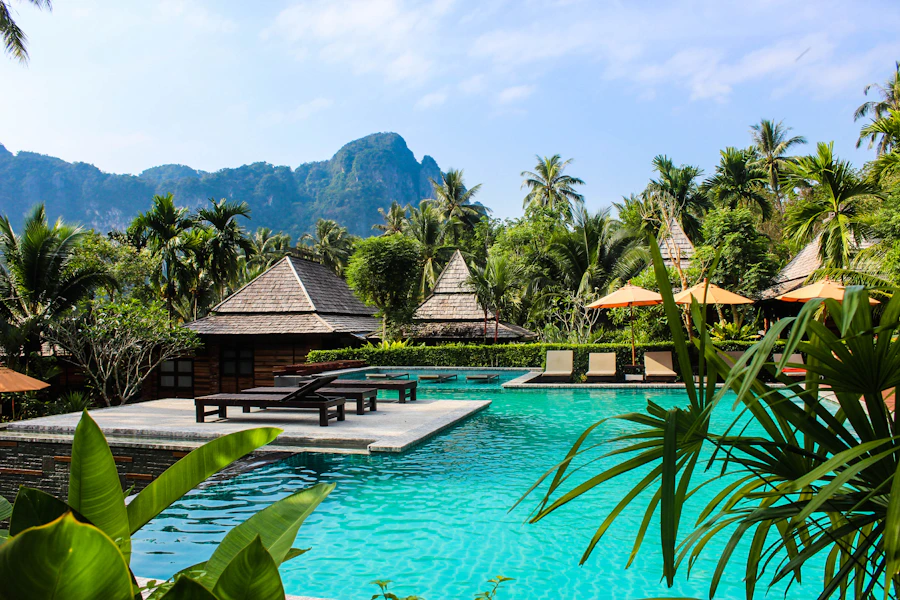
Is Varadero Still Worth Visiting in 2026? An Honest Beach Lover’s Verdict
The beach is still good. The resorts are mixed. Cuba’s economic situation has changed what a week here actually delivers.
Varadero has been Cuba’s flagship beach destination for decades — the name that travel agents worldwide reach for when someone says “I want Cuba but also a beach.” At its best, it delivers a genuinely good Caribbean beach holiday: 20km of white sand, warm water, direct international flights, and a range of resorts from budget-friendly to legitimately luxurious. At its worst, it’s a buffet loop that feels like being trapped in a cruise ship that doesn’t move.
In 2026, Varadero sits somewhere between those two versions — closer to the best for guests who’ve done their resort research, closer to the worst for guests who picked the wrong property or arrived with 2018 expectations. Cuba’s ongoing economic challenges have affected the resort supply chain in ways that show up most directly in food quality and facility maintenance. Some resorts have responded by investing heavily in their properties. Others have coasted on historical reputations while the actual experience declined.
This is an honest assessment from someone who takes the beach question seriously: whether Varadero in 2026 still justifies itself against the alternatives in the Caribbean and against the other Cuban beach destinations. The answer is yes, conditionally — but the conditions matter, and they’re more specific than they were five years ago.
The Honest Picture: What Varadero Is in 2026
Let’s start with what hasn’t changed. The Hicacos Peninsula is still one of the most beautiful stretches of Caribbean coastline in the region. The sand is still white and fine. The water is still warm, clear, and calm enough for easy swimming. The sunsets from the western-facing beach still turn the sky the particular shade of orange that makes people take the same photograph from the same angle every evening. The beach itself — the actual geological asset on which the entire destination is built — is still excellent and hasn’t meaningfully deteriorated.
What has changed is the resort product that sits on top of it. Cuba’s economic crisis (which predates COVID and has continued through it) has created real supply chain constraints for the all-inclusive food and beverage programs that are central to the Varadero proposition. Fresh produce availability, protein variety, and specialty restaurant ingredient sourcing have all been affected to varying degrees across different properties. The gap between resorts that have maintained investment and managed these constraints versus those that haven’t has widened significantly since 2019. In 2026, booking the right Varadero resort matters much more than it did when the category average was higher.
The current Cuba context is covered in our Cuba travel news 2026 guide. The power cut situation that affects some Varadero properties is covered in our Cuba power cuts 2026 guide. Together, they explain why the Varadero experience in 2026 requires more careful planning than a straightforward Caribbean booking.
The Beach Itself: Still One of the Caribbean’s Best
Varadero beach runs 20km along the northern coast of the Hicacos Peninsula, facing the Florida Straits. It consistently places in rankings of the Caribbean’s top beaches, and in 2026 that position is still earned. The sand throughout the peninsula is white, fine, and wide — wide enough that even in peak season there’s room to find a spot with space around you if you’re willing to walk past the first 500 meters from your resort’s beach access. The water is warm year-round, clear to the sandy bottom in normal conditions, and calm enough for non-swimmers to enjoy — the peninsula’s Atlantic exposure means there’s occasionally more wave action than calmer south-facing Caribbean beaches, but in most weather conditions Varadero delivers the flat, swimmable sea it’s known for.
The beach is technically public, but in practice the resort infrastructure owns most of the good frontage. Walking to Varadero beach from outside a resort means finding one of the access points between hotel properties — possible but not the straightforward “walk down to the beach” experience that non-resort Caribbean destinations offer. Guests staying at the all-inclusive hotels walk straight from their resort to the beach with their wristband already on, which is the way most visitors experience it.
How Varadero’s Beach Compares to Other Cuba Options
Within Cuba’s beach landscape, Varadero sits below the northern cayos (Cayo Coco, Cayo Guillermo, Cayo Santa María) in terms of raw sand and water perfection — those islands’ more remote locations and lower development density produce slightly better natural beach quality. Our Varadero vs Cayo Coco comparison and the Cayo Santa María vs Varadero comparison cover this in detail. But Varadero’s advantage is access, variety, and direct connections — its beach is genuinely good enough for any beach holiday purpose, and the gap between Varadero and the cayos is smaller than beach photography makes it look. The 15 best Cuba beaches ranked guide places every major option in context.

The Resorts: A Wide and Widening Quality Gap
Varadero’s 50+ resort properties span an enormous quality range — from budget all-inclusives with buffets and aging rooms to genuinely excellent 5-star properties with specialty restaurants, renovated facilities, and service that competes with the best in the Caribbean. In 2026, this range has expanded: the top tier has largely held quality and in some cases improved; the mid-tier and budget end has deteriorated at some properties as economic constraints bit harder. The decision of which resort to book has never been more consequential.
The Top Tier: Still Worth It
The properties at the eastern, quieter end of the Hicacos Peninsula — where Meliá, Paradisus, and Iberostar operate their flagship Cuba hotels — have maintained quality through investment and international brand standards. The Paradisus Varadero remains one of Cuba’s most consistently reviewed resorts for food quality, room quality, and service. The Meliá Varadero has continued to receive strong reviews for its beach position and overall polish. The Iberostar Selection Varadero has the resort’s signature “Emotion” quality level that outperforms the standard Iberostar properties elsewhere on the peninsula.
Our detailed review of the Iberostar Cuba resorts, the Meliá Cuba hotels, and the overall best Varadero beachfront hotels 2026 reviews give specific property-by-property assessments. Our Cuba 5-star resorts guide covers the very top end of the Varadero market. For those who want luxury specifically: the adults-only Cuba resorts and the Cuba spa resorts guide cover the premium options.
The Mid-Tier and Budget End: Be Selective
The mid-tier Varadero market — resorts priced at $100–140 per person per night — is where the quality variation is sharpest in 2026. Some properties in this bracket deliver good value: solid rooms, acceptable food, reliable beach access. Others are coasting on historical ratings that no longer reflect current reality. When researching mid-tier Varadero resorts, look specifically for reviews dated 2024 or 2025 rather than the pre-COVID years. The experience at a resort can shift dramatically in 18 months when supply chain issues affect a primarily buffet-based food program. The Cuba all-inclusive resorts ranked guide is the best current resource for navigating this.
For travelers whose primary concern is budget: the budget vs luxury Cuba comparison and the budget vs luxury upgrade analysis both make the case that in 2026’s Varadero specifically, the upgrade to the top-tier resorts is more justified than in previous years because the gap between the tiers has widened.
| Resort Tier | Typical Price 2026 | Food Quality | Rooms/Facilities | 2026 Verdict |
|---|---|---|---|---|
| Premium (Paradisus, Meliá top-tier) | $170–220pp/night | Strong — multiple restaurants | Well maintained | Worth booking |
| Upper-mid (Iberostar Selection) | $140–180pp/night | Good — maintained standard | Good | Worth booking |
| Mid-tier (standard Iberostar, Sol) | $110–150pp/night | Variable — check recent reviews | Variable | Research carefully |
| Budget (Club Amigo, lower Meliá) | $90–120pp/night | Below expectations | Aging in many cases | Many better options |
The Food Situation: The Honest Truth About All-Inclusive Dining in 2026
The most important thing to understand about Varadero’s all-inclusive food in 2026 is that it varies more than it appears to from marketing materials and older reviews. Cuba’s supply chain situation has made maintaining the variety and quality of food and beverage programs at large all-inclusive resorts genuinely challenging — fresh produce availability, meat and seafood variety, and alcohol brand selection have all been affected to varying degrees at different properties.
At the top-tier resorts, this has been mitigated by investment in their own supply relationships, more creative menu planning around available ingredients, and operational prioritization of food quality that international brand management enforces. The Paradisus Varadero, for example, has received consistent recent reviews praising its restaurant quality despite the broader supply context. At mid-tier and budget properties where international brand oversight is less rigorous, the buffet can become monotonous within 2–3 days — limited protein variety, repetitive side dishes, and inconsistent fresh fruit and vegetable availability.
Alcohol is a separate consideration. The standard all-inclusive bars at most Varadero resorts serve Cuban brands (Havana Club rum, Cristal beer, Bucanero) reliably — these are domestically produced and not subject to the same import supply constraints as international spirits. The Daiquiri and Mojito made with Havana Club is genuinely excellent. Where the bar experience degrades is in international spirit variety and the wine selection, which has become thinner at many properties. If cocktail and wine variety matters to your holiday experience, confirm recent bar quality at your specific property before booking.
Most Varadero all-inclusives market a selection of specialty restaurants — Italian, Japanese, steakhouse, seafood — as part of their offering. In 2026, these specialty restaurants operate with the same supply constraints as the main buffet, which means the “Japanese restaurant” may have limited fish variety and the “steakhouse” may have one or two cuts rather than a full menu. At the top-tier properties, this is managed well; at mid-tier properties, the specialty restaurants can feel like upmarket decor with standard buffet ingredients. If specialty restaurant diversity is important, look at recent TripAdvisor reviews specifically mentioning the restaurants in 2024–2026, not the overall hotel rating.

What’s Actually Changed in 2026 — and What Hasn’t
What’s Changed
- Food supply chains: The most impactful change since 2019. Cuban resorts source ingredients domestically where possible and internationally where needed. Both channels have been more constrained than pre-2019, affecting variety and sometimes quality at all-inclusive properties.
- Power reliability: Cuba’s energy situation has affected some resort areas. The major international-brand properties have backup generation that maintains service during outages, but the consistency and timing of backup power varies. This rarely affects the beach experience but can disrupt air conditioning, elevator service, and hot water at lower-tier properties. Full context in our Cuba power cuts 2026 guide.
- Tourism volume recovery: Post-COVID recovery has been slower than other Caribbean destinations, which means some resorts are operating with reduced staff. Service standards at properties with international brand management have largely held; at independently operated properties, reduced staffing shows.
- Price increases: All-inclusive rates at Varadero are 20–35% higher than pre-2019 equivalent periods, partly reflecting broader Caribbean inflation and partly reflecting reduced competition from lower-tier properties that have lost market share.
What Hasn’t Changed
- The beach: Still excellent. No degradation in sand or water quality over the period.
- Direct international flights: VRA airport still receives direct charters from Canada and major European markets. The convenience of flying directly to the beach destination without a Havana transfer is unchanged.
- The top-tier resort experience: The premium properties have invested through the economic constraints and largely maintained pre-2019 service standards at similar pricing.
- The Cuba factor: The combination of a genuinely interesting country and a good beach — unavailable at Dominican Republic, Cancún, or most other Caribbean resort destinations — is still what makes Varadero unique. The cultural access hasn’t diminished.
“The beach is the same. The water is the same. The sunsets are the same. What’s different is the research you need to do before booking a resort, and the reason for doing it.”
Activities: Water Sports, Day Trips, and What to Do Off the Lounger
Water Sports: Varadero’s Genuine Strength
Varadero’s water sports infrastructure is the most developed in Cuba, and this is genuinely where the destination wins against the less-developed northern cayos alternatives. The calm, flat conditions of the Florida Straits create excellent kite surfing conditions, particularly on the windier sections of the peninsula — Varadero has become Cuba’s most established kite surfing destination, with a growing number of qualified instructors and rental centers. Our dedicated kite surfing in Varadero guide covers the full picture for both beginners and experienced riders.
Beyond kite surfing: catamaran sailing tours to nearby coral reefs, glass-bottom boat excursions, jet ski rental, parasailing, and snorkeling boat trips all operate consistently from the main beach. Cuba’s wider diving landscape (the best diving is in more remote locations, not Varadero specifically) is in our Cuba scuba diving guide, while the snorkeling options accessible from Varadero are covered in our Cuba snorkeling guide.
Day Trips from Varadero
The day trip infrastructure from Varadero is one of the resort strip’s genuine advantages over the more isolated cayo destinations. A 2.5-hour road transfer connects Varadero to Havana for city day trips — the most popular excursion from Varadero hotels, and genuinely worthwhile for guests who haven’t spent time in the capital. Tour operators at every resort organize these. The full Havana context is in our ultimate Havana guide.
Other accessible day trips include the Cueva de Bellamar (accessible caves near Matanzas), the city of Matanzas itself (known as the “Athens of Cuba” for its literary heritage), and boat trips to the nearby mangrove lagoons. The mangrove boat tours deliver excellent birdwatching — Cuba’s endemic birds in natural habitat within an hour of the resort. Our Cuba birdwatching guide covers these.
Who Should Still Book Varadero — and Who Should Look Elsewhere
- Families with children — facilities, beach safety, and kids’ clubs at premium resorts are excellent
- Couples booking a top-tier all-inclusive — Paradisus or Meliá for a genuinely good resort week
- Travelers combining with Havana — the direct-to-resort flight plus easy Havana day trip is unmatched
- First-time Cuba visitors who want the beach holiday plus easy cultural access
- Kite surfers — Varadero has Cuba’s best conditions and instructor infrastructure
- Direct-flight travelers from Canada and Europe who don’t want to route through Havana
- Groups who want the all-inclusive social environment and organized entertainment
- Senior travelers who need comfortable resort amenities and easy beach access
- Want the best possible Caribbean beach — Cayo Santa María or Cayo Coco have better-quality sand and water
- Are primarily motivated by food quality — Dominican Republic or Mexico all-inclusives outperform Varadero’s average
- Are a US traveler — the OFAC “Support for Cuban People” license requires private sector accommodation, which all-inclusive resorts don’t fulfill
- Are backpacking or budget-traveling — the all-inclusive format doesn’t fit an independent style
- Want to experience Cuban culture as your primary goal — stay in Havana or Trinidad instead
- Can’t afford the top-tier resorts — the mid-tier experience in 2026 is often disappointing relative to its price
- Want true seclusion — Cayo Largo or a remote cayo is less busy
Varadero vs. the Wider Caribbean: Honest Positioning
Varadero is not the best beach holiday in the Caribbean. That distinction belongs to places with more pristine natural settings, better dive sites, or superior resort quality without Cuba’s supply chain constraints. Where Varadero is genuinely distinctive: it’s the only resort destination in the Caribbean that combines a good beach with access to a fascinating country. Cuba is not like any other Caribbean island. The experience of spending a week partly at the resort and partly exploring a country with this particular culture and history is something the Dominican Republic, Cancún, and Jamaica can’t replicate. For travelers who value both the beach and the place, Varadero’s position is still justified. For pure beach holiday purposes, comparable or lower prices in other Caribbean destinations may deliver more consistent food and facility quality.
The full comparison against competing destinations is in our Cuba vs Dominican Republic guide, the Cuba vs Mexico beach comparison, and the Cuba vs Jamaica guide.
🎯 The Honest 2026 Verdict: Still Worth It — With Specific Conditions
Varadero in 2026 is worth booking if you book one of the top-tier resorts. The beach is still excellent, the water sports infrastructure is strong, the Havana day trip access is a genuine advantage, and the premium properties have maintained quality through the challenging period Cuba’s economy has been through.
Varadero in 2026 is a more questionable value if you’re booking at the mid-tier or budget end of the market, where food quality variation and aging facilities represent a real risk at current all-inclusive prices. The gap between what you pay and what you get has widened at the lower end, and alternatives — either the northern cayos or a Havana-focused trip entirely — deliver better value in different ways.
The one thing that hasn’t changed and makes Varadero worth considering for any beach-focused Cuba trip: that white sand and warm water are still there, still genuinely beautiful, and still attached to one of the most interesting countries in the Caribbean. That combination is worth something, even in a year where the resort product on top of it requires more research than it used to. Use the honest 2026 Varadero hotel reviews and the Cuba all-inclusive rankings before you commit.
Frequently Asked Questions
The bottom line for 2026
Varadero still earns its place in the Caribbean beach conversation. The beach is genuinely excellent. The direct flights from Canada and Europe are a real convenience. The proximity to Havana creates a combination that no other Caribbean resort zone can replicate. And the top-tier resorts — the ones where international brands have maintained investment and management standards through Cuba’s challenging economic period — deliver a week that stands comparison with the best the Caribbean offers at equivalent price points.
What Varadero isn’t in 2026: an automatic, no-research-required booking where any all-inclusive at any price will deliver a good holiday. That version of Varadero may have existed at points in the past. It doesn’t exist now. Do the research, book the right property, arrive with current expectations rather than 2015-era ones, and Varadero will still give you an excellent week. Skip the research and book by price alone, and the experience may disappoint in ways that have nothing to do with the beach.
