

Cienfuegos Cuba Beaches: What You’ll Actually Find, What’s Worth Your Time, and How to Get to the Water
Playa Rancho Luna, El Nicho’s freshwater pools, the sheltered bay, and day-trip beaches near Trinidad — this is the complete, honest guide to swimming and the water around Cienfuegos in 2026.

Cienfuegos Cuba Beaches: The Complete Honest Guide
Playa Rancho Luna, El Nicho’s pools, the bay, and what’s within a day trip. Everything you need to know about the water around Cienfuegos.
Cienfuegos is one of Cuba’s most underrated cities, and that’s not hyperbole. The French colonial architecture around Parque José Martí is genuinely striking, the Punta Gorda peninsula at sunset is one of those views that earns its reputation, and the city sits at the meeting point of two completely different kinds of water experience — the sheltered Caribbean bay to the south and the Escambray Mountains to the north. What it isn’t, in any straightforward sense, is a beach destination.
That distinction matters if you’re deciding where to base yourself in Cuba. Varadero and the northern cays have the Caribbean-standard white sand and turquoise water that most people picture when they think “Cuba beach.” Cienfuegos has something more interesting and more complicated: a city beach (Playa Rancho Luna) that’s good but not spectacular, a freshwater spectacle in the mountains that outperforms any beach in the region, a protected bay that’s calmer than anything on the north coast, and it’s one hour from Playa Ancón — which is probably the best beach in the central region of Cuba.
This guide is honest about all of it. If you’re in Cienfuegos and want to get in the water, here’s exactly what to do, in what order, and with what expectations. It’s also honest about when Cienfuegos is worth skipping for water access in favor of somewhere else. Cienfuegos is genuinely a hidden gem — just not primarily for its beaches.
Cienfuegos as a Beach Destination — The Honest Picture
If you searched for “Cienfuegos Cuba beaches” hoping for an extended list of postcard-perfect white sand bays, this section is going to save you some disappointment and some planning time. Cienfuegos Province has access to some excellent water experiences — but several of the best ones require leaving the city, and the city’s own beach (Playa Rancho Luna) is genuinely decent rather than exceptional by Caribbean standards.
Here’s the honest framework:
- Playa Rancho Luna — The main local beach, 18km south of the city center. Grey-beige sand, sheltered water, a coral reef within swimming distance, and a working scuba dive center. Good for a half-day. Not where you go when you want the full Caribbean resort experience.
- El Nicho — A freshwater waterfall and natural pool complex in the Escambray Mountains, 50km north. Technically not a beach, but the best “swimming in natural water” experience in the region by a significant margin. Turquoise, cold, beautiful. Worth making a priority.
- The Cienfuegos Bay — The sheltered bay that the city sits on isn’t suitable for swimming due to water quality from the port, but the bay itself is extraordinary for sailing, kayaking, and late-afternoon waterfront walking along Punta Gorda.
- Playa Ancón — 80km east, near Trinidad. Cuba’s best mainland beach in this region by general consensus. White sand, turquoise water, good snorkeling. Worth the hour’s drive if beaches are a priority on your trip.
The practical reality for most visitors is that Cienfuegos is a 1–2 night stop on a 9-day Cuba itinerary or longer Cuba route, positioned between Havana and Trinidad. In that context, the city earns its place on the itinerary for its architecture, its food scene, and its combination of bay waterfront and mountain scenery — not primarily as a beach base. But if you allocate a day properly, the water experiences here are genuinely rewarding.
Cienfuegos doesn’t have Cuba’s best beach. It has something more interesting: a bay, a mountain waterfall, a dive site, and an hour’s drive to one of Cuba’s finest mainland stretches of sand.
The comparison with Trinidad is worth addressing upfront: Trinidad vs Cienfuegos is one of the most commonly asked questions about central Cuba. For beaches specifically, Trinidad wins (Playa Ancón is 10 minutes from the town center). For the city experience, Cienfuegos wins on architecture and bay scenery. Most travelers visit both.
Playa Rancho Luna — Cienfuegos’s Main Beach
Playa Rancho Luna sits on the southern coast of Cienfuegos Province, about 18 kilometers from the city center along the coast road — a 20–25 minute drive. It’s a curved beach inside a protected bay, which means the water is almost always calm regardless of what the weather is doing on Cuba’s exposed north coast. That’s its main practical advantage: reliable, safe swimming conditions for families with children and anyone who prefers flat water.
The beach itself is a mixture of light grey-beige sand with some darker patches and occasional pebbles at the edges. It’s well-maintained compared to some Cuban beaches, with the sand raked and cleared at the hotel end. The water color isn’t the electric turquoise of the northern cays — it reads more as medium blue-green — but it’s clean, warm (typically 26–29°C from April through October), and sheltered enough that children can wade in without concern about waves.
Snorkeling and the Coral Reef
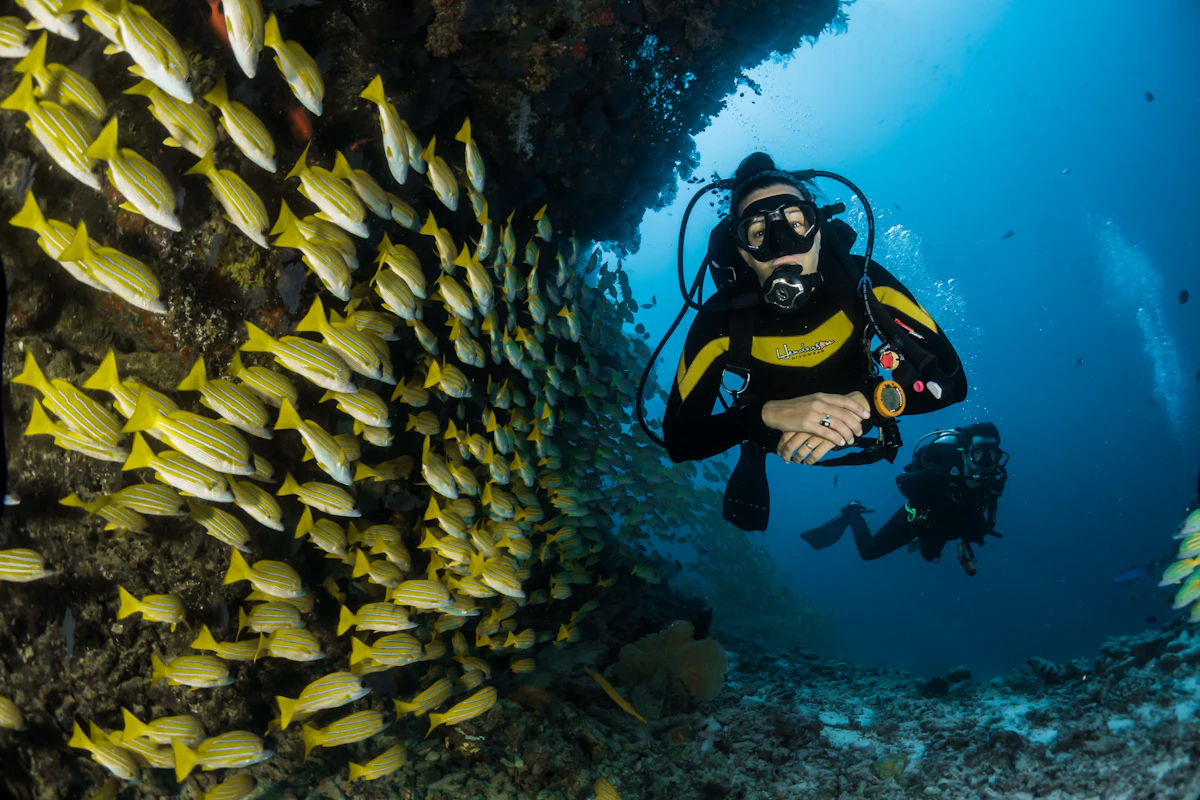
This is Rancho Luna’s most underappreciated feature. About 150–200 meters offshore, a coral reef shelf drops off into deeper water. The snorkeling here is genuinely good by Cuban standards — not Cayo Coco or Playa Ancón quality, but better than anything you’d expect from a beach this accessible to a major city. The reef has brain coral formations, fan coral, angelfish, parrotfish, sergeant majors, and the occasional sea turtle. Equipment rental is available at the beach from $3–5 for mask, snorkel, and fins. The Cuba snorkeling guide ranks the reef at Rancho Luna among the more accessible sites on the island for independent visitors.
Scuba Diving at Faro Luna
The Faro Luna dive center, operating from Rancho Luna since the 1990s, is one of the longest-established dive operations in Cuba. The dive site off Rancho Luna is characterized by a vertical wall that drops from 5 meters to over 30 meters within a short swim of the beach — making it appropriate for both beginners doing their first open-water dives and experienced divers looking for wall formations. The wall has black coral, sponges, and moray eels at depth. Dive prices run $30–45 for a single tank, with certification courses available. The complete Cuba scuba diving guide covers Faro Luna alongside the island’s other major dive sites.
Facilities and Practicalities
Rancho Luna has a small hotel (Hotel Rancho Luna), a beach bar serving mojitos and cold Cristal beer, sun lounger rental ($2–4 per day), changing facilities, showers, and a basic restaurant. The hotel guests have reserved sections of the beach but independent visitors can access the main stretch freely. There’s also the Rancho Luna Dolphinarium — shows happen daily, entry around $10 — which polarizes opinion on ethical grounds. Skip it if that’s your instinct; the reef and dive center are better uses of your time and money.
Getting there: a taxi from the city center costs $5–8 each way. Some travelers rent bicycles in Cienfuegos and cycle the 18km coast road — it’s flat and manageable in 45–60 minutes in the morning hours before the heat peaks. The Cuba transport guide explains bicitaxi options and how to negotiate rates for longer runs like this one.
Arrive before 10am to get the beach mostly to yourself and with better underwater visibility for snorkeling (the afternoon currents can stir up sand). The light for photos is best in the morning and early evening. Midday (noon–3pm) is when the beach gets most crowded and the sun is harshest. Consider the morning swim, a light lunch at the beach bar, and leave by 2pm — then return to the city in time for the Cienfuegos evening paseo along Punta Gorda. Pack your Cuba beach day kit the night before.
El Nicho — The Freshwater Alternative That Outdoes the Beach
El Nicho is in the Sierra del Escambray — the mountain range that dominates the northern horizon from Cienfuegos city — about 50 kilometers from the center. The drive takes around 90 minutes on a road that climbs steadily through coffee plantations and pine forest before arriving at one of the most photographed natural sites in Cuba. It is not a beach. It is something better.
The site is a series of waterfalls and natural pools carved into the limestone of the Escambray by the Hanabanilla River. The main pool directly beneath the largest waterfall is about 15 meters across and deep enough to swim in. The water is cold — significantly colder than anything you’ll find at Rancho Luna or Playa Ancón — turquoise in the shallows and darkening to green in the center, and clear enough to see the rocky bottom. There are secondary pools above and below the main fall, connected by short hiking paths through the jungle. The whole site takes 2–3 hours to properly explore.
The complete El Nicho guide covers all the practical details, but the key facts: entry is $8–10 per person, a local guide is technically mandatory and practically useful (they know which paths lead where), and the best light for the waterfalls is 10am–1pm when the sun is high enough to illuminate the spray without casting the pool in shadow. The El Nicho from Trinidad guide is also useful if you’re approaching from the eastern side.
Getting to El Nicho from Cienfuegos
There are two practical options. The first is an organized tour from Cienfuegos — most casa particular hosts can arrange this for $25–35 per person including transport and guide. Tours depart early (7:30–8am) to arrive before the heat and midday crowds. The second option is hiring a private taxi for the day ($50–70 for the round trip for the vehicle, shareable between 2–4 people). The El Nicho route guide explains the road in detail, including where the unpaved section begins and what to expect in wet weather.
There’s no public bus to El Nicho. The Viazul doesn’t go there. This is a private transport or organized tour situation, which adds cost but also means the site never gets genuinely overcrowded — visitor numbers are self-limiting based on transport capacity.
The mountain road between Cienfuegos and El Nicho passes through some of Cuba’s best remaining cloud forest. Cuba’s endemic bird species — including the Cuban tody, Cuban trogon, and bee hummingbird (the world’s smallest bird) — are resident in this forest. The forest section near the El Nicho access road is considered one of the best spots for the bee hummingbird in particular. If you have any interest in birds, bring binoculars and tell your driver to slow down on the forested sections of the mountain road.
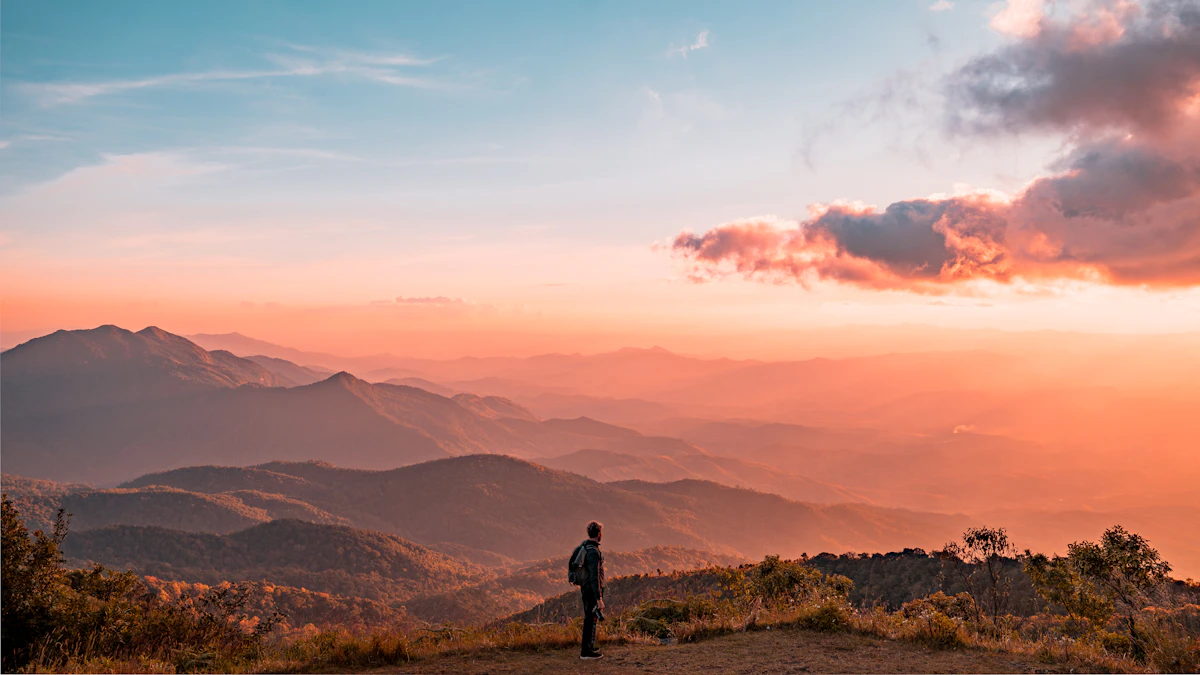
If you’re deciding between a day at Playa Rancho Luna and a day at El Nicho, the answer for most travelers is El Nicho — the freshwater experience is more unusual and more visually striking. Do both if you have two full days in Cienfuegos. Do El Nicho first if you only have one.
The Cienfuegos Bay — What It’s Good For and What It Isn’t
Bahía de Cienfuegos is one of Cuba’s most spectacular bodies of water from a scenery perspective. The bay is large — about 88 square kilometers — sheltered, and almost completely enclosed, with the city on its northern shore and the coast road running south along the Punta Gorda peninsula that juts into the center of the bay. The evening light on the water from Punta Gorda is the image most associated with Cienfuegos in travel photography.
What the bay is not, for practical swimming purposes, is clean enough to recommend getting into. The port operates at the bay’s northern end, and water quality in the main harbor area is affected accordingly. The southern reaches of the bay, further from the port, are cleaner, but the bay generally isn’t where tourists swim. This is worth knowing before you arrive expecting to step off the Punta Gorda promenade into the water.
What the Bay Is Actually For
The bay earns its place in a Cienfuegos itinerary through several other activities. Sailing on the bay is one of Cienfuegos’s strongest activities — the Club Náutico at Punta Gorda has sailing dinghies, and some operators offer sunset bay cruises from the marina. The bay is flat, protected, and large enough to make for a genuinely pleasant afternoon on the water without the chop of open ocean.
The Laguna de Guanaroca at the bay’s southeastern end is a separate lagoon accessible from the coast road. This is where flamingos are found — sometimes in large flocks — along with spoonbills, herons, and other waterbirds. The Guanaroca Lagoon boat tour is the best way to access the flamingo section of the lagoon — a small flat-bottomed boat through the mangroves with a local guide costs around $15–20 per person and is genuinely one of the most memorable wildlife experiences available from Cienfuegos. The flamingo tour guide for Cienfuegos has all the booking and transport details.
Kayaking on the bay is offered from several points along the Punta Gorda waterfront — typically $5–10 per hour for rental. The sheltered water makes it genuinely beginner-friendly. Fishing in the bay is popular with local Cienfuegos residents, particularly at the bay’s quieter southern reaches — ask your casa host about connecting with local boat fishermen if this interests you.
Day Trip Beaches from Cienfuegos — What’s Worth the Drive
Cienfuegos’s geographic position makes it a hub for reaching several of Cuba’s stronger beach and water experiences within a day trip. Here’s what’s realistic:

Playa Ancón is widely considered the best mainland beach in Cuba’s central region. White sand, warm turquoise water, a coral reef accessible by a short swim or snorkel tour, and a handful of beach bars and hotels. The full Playa Ancón guide covers it in detail. From Cienfuegos, the drive is about 1 hour via the road east toward Trinidad. Combine with a Trinidad afternoon on the same day — the town and the beach together make for a full and genuinely satisfying day out of Cienfuegos.
The Bahía de Cochinos — the Bay of Pigs — is primarily known for its 1961 history, but divers know it as one of Cuba’s top dive sites. The wall diving at Playa Girón drops precipitously and has excellent visibility. There are freshwater cenotes (sinkholes) along the coast road that are accessible for swimming. Cuba’s diving guide rates this area highly. The drive from Cienfuegos north and then west via Playa Larga is about 90 minutes. Better as an overnight trip than a rushed day trip, but possible.

The main local beach, already covered in detail above. Best used for a half-day morning swim and snorkel — the reef is the feature, not the sand. Accessible by taxi ($5–8 each way) or bicycle. The Faro Luna dive center makes it the most convenient base for scuba in the Cienfuegos area. Entry to the beach is free; facilities are basic but adequate. Better value than spending a full day here rather than doing El Nicho.

The freshwater swimming highlight of the entire Cienfuegos region. Natural pools carved by the Hanabanilla River inside the Escambray Mountains — turquoise, cold, and beautiful in a way that beach photos don’t capture. Getting to El Nicho requires organized tour or private taxi. The entry fee is $8–10. Most visitors spend 2–3 hours on site. If you only have time for one water excursion from Cienfuegos, this is the one to choose.
The most logical 2-day water itinerary from Cienfuegos: Day 1 — El Nicho morning (leave at 7:30am, back by 2pm) + afternoon at Guanaroca Lagoon for flamingos + Punta Gorda sunset walk. Day 2 — Morning at Playa Rancho Luna (leave at 8am, snorkel by 9am) + afternoon drive east to Trinidad and Playa Ancón, staying overnight in Trinidad. That’s four water experiences in two days using Cienfuegos as the base. The Viazul bus between Cienfuegos and Trinidad runs daily and takes about 1.5 hours if you’re making the move on Day 2.
Where to Stay in Cienfuegos for Beach Access
There are two meaningful choices for accommodation in the Cienfuegos area: staying in the city center (Parque José Martí area or Punta Gorda peninsula), or staying at Playa Rancho Luna itself.
City Center / Punta Gorda
This is the right choice for most visitors. Staying in the city means easy access to Cienfuegos’s genuine pleasures — the colonial architecture, the evening paseo, the restaurants along Punta Gorda, the bay views — while Rancho Luna is a taxi away. Casa particulares in Cienfuegos’s Punta Gorda district are consistently well-rated and offer bay views from rooftop terraces for $25–45 per night. The casa etiquette guide is worth reading before booking. Some of the most character-filled accommodation in Cuba is found in Cienfuegos’s Punta Gorda houses — colonial-era buildings overlooking the bay, available as casas particulares at budget-to-mid-range prices.
At Rancho Luna
Hotel Rancho Luna sits directly on the beach and makes sense if your primary goal is beach-and-dive access over multiple days. Rates run $60–90 per night for a double with breakfast. It’s convenient but isolated — you’re 18km from the city center, which means a taxi for every restaurant trip, every evening out, every El Nicho departure. For a 1-night beach-only stay this works; for a Cienfuegos base for multiple days it’s limiting. The all-inclusive vs independent travel comparison applies here: staying at the beach hotel is more convenient but more isolated than the city casa option.
For couples and honeymoon travelers, Cienfuegos’s Punta Gorda district has some excellent luxury casa particulares with private terraces over the bay — the sunset view from these properties is genuinely special and justifies the premium. The yacht charter experience in the bay is something a few Punta Gorda properties can help arrange, which makes Cienfuegos an underrated romantic destination for water lovers who don’t need a classic resort beach.
Best Time to Visit Cienfuegos for the Water
Cienfuegos is on Cuba’s south coast, which gives it a slightly different weather pattern from the north. The month-by-month Cuba weather guide covers the full picture; here’s what matters specifically for Cienfuegos and its water experiences:
- November–April (dry season): Best overall conditions. Lower humidity, almost no rain, clearer skies, and the most reliable conditions at El Nicho (the mountain road can be slippery after heavy rain). Sea temperatures at Rancho Luna are 25–27°C — comfortable but not the warmest. Tourist numbers peak in December–January.
- May–June: The transition period before the wet season properly sets in. Warm sea temperatures (27–29°C), lower tourist numbers, and generally still manageable weather. Good timing if you want El Nicho with fewer visitors and better wildflower coverage on the mountain road.
- July–October: Wet season and hurricane season. Heavy afternoon rain is common. El Nicho is sometimes inaccessible after significant rainfall due to road conditions. The bay and Rancho Luna remain swimmable — the sheltered geography protects them from Atlantic storm surf — but visibility for snorkeling decreases when rivers run high and silt the bay waters. September can be a sweet spot for budget travelers who don’t mind occasional rain in exchange for lower prices and empty beaches.
- Best for El Nicho specifically: March–May. The waterfall is fuller after some early wet season rain but the road is still reliable, and the vegetation is at its most lush without being waterlogged.
Sea temperature at Rancho Luna is warm enough for comfortable swimming year-round, though the winter months (December–February) feel cool to some visitors at 24–25°C. The Cuba in December guide addresses this for winter visitors, and the Cuba in January note is important — Cienfuegos accommodation books out months ahead during peak January season.
📋 Cienfuegos Beach Trip — Complete Checklist
- Sort Cuba visa and tourist card before flying
- Get Cuba-valid travel insurance — required at entry
- Book flights to Havana, then plan Viazul to Cienfuegos
- US travelers: confirm OFAC travel category
- Bring sufficient cash — USD, EUR, or CAD only
- Book a casa in Punta Gorda for bay views
- Ask casa host to book El Nicho tour on Day 1
- Pack snorkel mask and fins if you have them (or plan to rent)
- Bring reef-safe sunscreen — coral protection matters
- Pack full beach kit: towel, hat, water shoes, dry bag
- Pack a warm layer for El Nicho — the mountain air is cool
- Download offline maps — internet in Cuba is limited
- Bring sunburn treatment, antihistamine, motion sickness tablets
- Reserve Faro Luna dive spot if scuba is on the plan
- Book Guanaroca Lagoon flamingo boat tour in advance
- Check the full Cuba pre-trip checklist
Frequently Asked Questions
The honest conclusion on Cienfuegos beaches
If you visit Cienfuegos expecting a Caribbean beach postcard, you’ll be slightly underwhelmed by Rancho Luna. If you visit knowing that the city’s water offering is a combination of a decent beach, an extraordinary freshwater experience in the mountains, a flamingo lagoon, and a sheltered bay — and that Playa Ancón is an hour east — you’ll leave having done more with a day near the water than most resort travelers do in a week.
The sequence that works best: El Nicho first (it’s the most special and benefits from an early start), Guanaroca Lagoon second (late afternoon, when the flamingos are most active), Rancho Luna third (morning swim and snorkel), and Playa Ancón fourth (day trip east to Trinidad and stay overnight). That’s four genuinely different water experiences from one base city, which is a pretty good return on a Cienfuegos stop.
The city itself — the UNESCO architecture, the Punta Gorda sunset, the paladares, the bay views — does the rest of the work. Cienfuegos doesn’t need to be Cuba’s best beach destination to earn its place in a Cuba itinerary. It just needs to be what it is.
