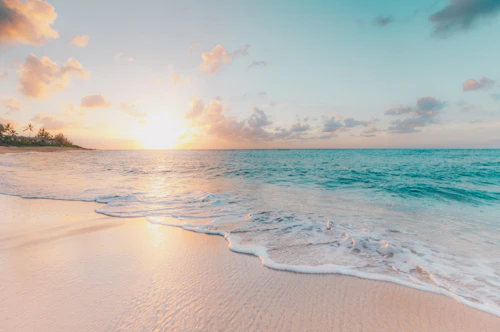
Deserted white sand Cuban beach with turquoise Caribbean water and palm trees and nobody around
🏖 Cuba Beach Guide · 2026

Crowded vs Quiet Beaches in Cuba: How to Escape the Tourist Trail

Varadero’s 20km hotel strip is beautiful and completely overrun. But Cuba has 3,570 km of coastline and most of it is empty. The beaches the package tours skip — Playa Ancón, Cayo Levisa, María la Gorda, Playa Maguana in Baracoa — are the ones that look like the photographs you came here to take.

🏖 Cuba-wide beach guide 🗓 Updated May 2026 ⏱ 14-minute read 🌊 12 beaches covered
Empty white sand beach with clear Caribbean water and palm trees
🏖 Cuba Beach Guide · 2026

Crowded vs Quiet Beaches in Cuba: How to Escape the Tourist Trail

Cuba has 3,570 km of coastline. Most of it is empty. Here’s where to find the beaches the tour buses don’t reach.

🗓 Updated May 2026 ⏱ 14-minute read

Cuba’s beach reputation is built almost entirely on two or three places: Varadero, the cays off the north coast, and occasionally Guardalavaca near Holguín. These are all legitimate beaches — genuinely good white sand, clear water, warm sea — and they receive the tourists that their reputation generates, which in peak season means rows of sunbeds extending to the horizon and bars with speaker systems audible from 200 meters away.

None of this is the complete Cuba beach picture. The island has more coastline than any other Caribbean nation, and the development concentration in the main resort zones means that most of it remains genuinely quiet. Getting to the quiet parts requires either being a different kind of traveler (independent rather than package), going at a different time (early morning, shoulder season, weekdays), or knowing specifically which beaches sit outside the tour bus circuits. This guide covers all three approaches, with specific beach names and the honest logistics of reaching each one.

3,570
km of Cuban coastline — more than any other Caribbean island
20km
length of Varadero’s tourist beach strip — Cuba’s most developed and most visited
7am
what time to arrive at any Cuban beach if you want it to yourself before the tour buses do
May–Oct
wet season months when resort beaches are at their quietest — dramatic crowd difference
🏝

Cuba’s Beach Landscape: What the Brochures Cover and What They Don’t

Why the crowded beaches got famous and what that means for everywhere else

Cuba’s resort beach development follows a specific pattern that was determined by the government’s post-1990 tourism investment priorities: concentrated, manageable zones where infrastructure could be built efficiently and tourist dollars captured in controlled environments. Varadero became the flagship; the northern cays followed; Guardalavaca in the east received a smaller version of the same model. The result: extraordinary concentration of tourism in a handful of places, and extraordinary quiet everywhere else.

The beaches that don’t appear on package holiday brochures aren’t inferior products. Playa Ancón near Trinidad has cleaner water than Varadero. Playa Maguana in Baracoa may be the most beautiful beach on the island. Cayo Levisa off the northwest coast is quieter, better for diving, and more genuinely Caribbean than Cayo Coco. The access logic differs — some require more planning, some require your own transport — but the quality argument often runs in the opposite direction from the visitor numbers.

🏖

The Crowded Beaches: Why They’re Busy and What to Expect

The famous three — Varadero, the northern cays, and Playas del Este — honest about what they deliver and their limitations
Busy Cuban resort beach with sunbeds, umbrellas and tourists along white sand with turquoise water
A busy resort beach on Cuba’s northern coast — the white sand and clear water are genuine; the crowd is the expected trade-off of the area’s popularity and proximity to major resort infrastructure. Photo: Unsplash
Varadero beach Cuba with hotels in background and white sand and turquoise water High Season: Packed Matanzas Province
Cuba’s Most Famous Beach
Varadero
📍 Hicacos Peninsula, Matanzas · 140km east of Havana
Varadero is 20 km of genuinely excellent white sand beach and some of the clearest water on Cuba’s north coast. The trade-off: 50+ hotels, thousands of daily visitors in peak season, a resort strip that resembles Cancún more than untouched Caribbean. The beach itself is good — wide, clean, well-maintained — but the context is relentlessly tourist-facing. The town behind the strip has some genuine character (the Dupont Mansion at the peninsula’s tip is worth seeing) but most visitors stay within the resort zone entirely. Worth visiting if you want infrastructure and all-inclusive comfort; hard to recommend if solitude is part of the brief.
Crowd LevelHigh in peak season
From Havana2.5 hrs by bus/taxi
Best SectorEastern tip past the resorts
Playas del Este beach near Havana with people and classic Cuban cars parked near beach Weekends: Very Busy Near Havana
Havana’s Local Beach Strip
Playas del Este
📍 20km east of Havana · Santa María del Mar, Guanabo, Boca Ciega
The beaches east of Havana — collectively known as Playas del Este — are Havana’s escape valve. On weekdays in off-peak months, Santa María del Mar and Guanabo are genuinely pleasant: the water is clear enough for snorkeling in spots, the sand is white, and the atmosphere is relaxed local rather than resort-industrial. On summer weekends and holiday periods, the crowds are extraordinary — Havaneros descend en masse and the beach access roads jam. The furthest east beaches (El Mégano, Guanabo) stay quieter than Santa María del Mar even in peak times because they require more effort to reach. As a quick Havana day trip on a Tuesday in November, excellent. On a Saturday in August, avoid.
Crowd LevelWeekends: Very high
From Havana40 min taxi, $12–15
Best TimeWeekday mornings
🌿

Quiet Beaches: Western Cuba

The Havana province alternatives and the northwest coast gems that most package tourists never reach
Cayo Levisa Cuba small island beach with clear turquoise water and no resort buildings Low Crowd Level Pinar del Río
Northwest Cuba · Day Trip from Viñales
Cayo Levisa
📍 Los Colorados Archipelago, Pinar del Río · Reached by 40-min boat from Palma Rubia
Cayo Levisa is what most people imagine when they picture a Caribbean island and don’t quite believe actually exists: a small mangrove-fringed cay accessible only by boat, with a coral reef within swimming distance of the shore, fine white sand, and no road access keeping the day-tripper numbers modest. There’s a small hotel on the cay (Cayo Levisa Hotel) that receives a limited number of guests, and day trips from the mainland — typically from Palma Rubia, a 2-hour drive from Viñales — are capped by the boat capacity. Combine with Viñales for one of the best independent Cuba itinerary combinations available: mountain landscape, tobacco farms, and then this specific quality of clear-water Caribbean day.
Crowd LevelLow (boat access only)
From Viñales2 hrs drive + 40 min boat
SnorkelingExcellent off-shore reef
Remote beach at Maria la Gorda Cuba with calm turquoise water and tropical vegetation Very Remote Far West Cuba
Western Tip Cuba · Divers’ Destination
María la Gorda
📍 Guanahacabibes Peninsula, extreme western Cuba · 4 hrs from Havana
María la Gorda sits at the far western end of Cuba, on the Guanahacabibes Peninsula which is simultaneously a UNESCO Biosphere Reserve and one of the most remote accessible stretches of coast on the island. The beach itself — sheltered, warm, calm-water Caribbean — is genuinely excellent for swimming and snorkeling even without diving equipment. But María la Gorda’s primary fame is as Cuba’s premier dive site for accessibility: the wall diving off the peninsula produces visibility of 30+ meters, coral coverage that hasn’t seen heavy diver pressure, and fish biodiversity that reflects the protected reserve status. Accommodation is limited to the Residencia Villa María la Gorda (simple, state-managed, functional), and the area is completely off the package tourist circuit. The logistics require either a rental car or private taxi from Havana — there’s no Viazul service — but the reward is an extraordinarily quiet beach in a protected wilderness setting.
Crowd LevelVery low
From Havana4–5 hrs by car
SpecialCuba’s best shore diving
🌿

Quiet Beaches: Central Cuba

The Caribbean south coast beaches that independent travelers reach but package tours generally skip
Playa Ancon Trinidad Cuba with calm clear water and few visitors and mountains in background
Playa Ancón near Trinidad — the only beach in Cuba where the Escambray mountains are visible on the horizon while you’re swimming. Photo: Unsplash
Remote Caribbean beach near Trinidad Cuba with clear shallow water and no crowds
The south coast beaches around Trinidad and Cienfuegos see a fraction of Varadero’s visitor numbers despite comparable water quality and scenery. Photo: Unsplash
Playa Ancon beach Cuba with calm Caribbean water and palm trees and trinidad mountains Manageable Crowds Sancti Spíritus
Cuba’s Best South Coast Beach
Playa Ancón
📍 12km south of Trinidad, Sancti Spíritus province
Playa Ancón is Cuba’s best open secret: a genuinely beautiful Caribbean beach that receives only a fraction of Varadero’s visitors because it sits on the south coast, requires a 12km taxi from Trinidad, and doesn’t have the resort infrastructure marketing machine working for it. The water is some of Cuba’s clearest on an accessible beach — the calm Caribbean south coast produces less surf and better visibility than the north — and the shore reef accessible from the beach gives snorkelers an experience comparable to what Varadero’s boat trips charge for. There are three hotels at Ancón (Trinidad del Mar, Brisas Trinidad, Club Amigo) but they’re smaller and less crowded than anything at Varadero, and the beach outside resort hours is genuinely quiet. Combine with two nights in Trinidad itself for arguably the best 48-hour Cuba beach-plus-culture combination available.
Crowd LevelModerate (much less than Varadero)
From TrinidadTaxi, 20 min, $5–8
SnorkelingShore reef access
Quiet Cuban beach near Cienfuegos with fishing boats and calm water Low Crowds Cienfuegos Province
Near Cienfuegos · Dolphin Shows Aside
Rancho Luna / Playa La Milpa
📍 18km south of Cienfuegos · Cienfuegos Bay coast
Rancho Luna sits south of Cienfuegos on the bay coast, a workable half-day trip from the city. The beach itself is pleasant — calm water, reasonable sand quality, decent snorkeling off the nearby reef — and visitor numbers are a fraction of the main resort beaches. The reason: Cienfuegos is primarily a city destination for independent travelers, and most move on to Trinidad rather than staying for the beach. This means that Rancho Luna and the adjacent Playa La Milpa get the specific Caribbean quiet that comes from being physically accessible without being on any tour package’s itinerary. The dolphinarium on the bay is a separate facility — skip that part.
Crowd LevelLow
From CienfuegosTaxi, 20–25 min
Best CombineWith Trinidad trip
🌿

Quiet Beaches: Eastern Cuba

The beaches that require the longest journey from Havana and reward it most completely
Remote beach near Baracoa Cuba with dense tropical jungle behind and clear blue water Very Remote Guantánamo Province
Cuba’s Most Beautiful Beach
Playa Maguana (near Baracoa)
📍 22km northwest of Baracoa · Caribbean coast, Guantánamo province
Playa Maguana is the beach that experienced Cuba travelers cite when asked which beach you should actually go to. It’s 22km from Baracoa on the northeast coast — a 30-minute taxi from Cuba’s oldest city — and it receives a very small number of visitors because Baracoa itself is one of Cuba’s least-visited destinations for the simple reason of distance and access (the only route in from the west involves a mountain road, the La Farola, that’s genuinely dramatic to drive). The beach: dark coconut palms behind white sand that shifts from medium to fine, clear Atlantic water with good visibility, and a specific quality of remoteness that comes from having jungle on three sides and open ocean on the fourth. The few casas near the beach and the one small hotel (Maguana) keep visitor numbers in the dozens rather than hundreds even in peak season.
Crowd LevelVery low
From BaracoaTaxi, 30 min
Access to BaracoaDomestic flight or La Farola road
Empty beach near Holguín Cuba with clear water and lush tropical vegetation Quieter than Varadero Holguín Province
Near Guardalavaca · Less-Visited Sections
Playa Esmeralda / Playa Pesquero
📍 Holguín province · East of Guardalavaca resort zone
Guardalavaca itself has resort concentration similar to Varadero, though on a smaller scale. The beaches immediately east and west of the main resort area — Playa Esmeralda (before the hotel zone) and Playa Pesquero (past it) — see dramatically fewer visitors than the central resort strip despite sharing the same clear water and similar sand quality. Both are accessible by local transport from the resort area and by private taxi from Holguín city (1.5 hours). The offshore snorkeling is particularly good at Playa Esmeralda — the Bahía de Naranjo lagoon area produces calm, clear conditions that favor underwater visibility. For visitors in the Holguín-Guardalavaca area who find the main beach too crowded, a 20-minute taxi ride either direction solves the problem immediately.
Crowd LevelModerate (much quieter than centre)
From Holguín1.5 hrs by taxi
SnorkelingGood at Esmeralda
Cayo Largo Cuba remote island beach with pristine white sand and turquoise clear water Low Crowds Isla de la Juventud
Cuba’s Remote Southern Island
Cayo Largo del Sur
📍 Southeastern Caribbean · Accessible by domestic flight from Havana
Cayo Largo del Sur is Cuba’s most remote beach destination for ordinary travelers — a small island in the Canarreos Archipelago, 175km south of the mainland, accessible only by domestic flight from Havana or by yacht. The beaches here (Playa Sirena, Playa Los Cocos, Playa Blanca) are some of the finest in Cuba: extra-fine white sand, warm shallow water over clear Caribbean flat, turtle nesting grounds that make dawn beach walks extraordinary. The island has a small resort zone (4–5 hotels) and absolutely nothing else — no towns, no local population, no infrastructure outside the tourism facilities. The visitor numbers are limited by the domestic flight capacity to the island, which naturally caps the beach crowding. This is the destination for travelers who want pure beach quality in a preserved Caribbean environment without the Varadero commercial machine.
Crowd LevelLow (flight-capped)
AccessDomestic flight from Havana, ~45 min
SpecialTurtle nesting, crystal water
🎯

How to Escape the Crowds on Any Cuban Beach

Six tactics that work regardless of which beach you’re on — timing, positioning, and knowing where to walk

“Every Cuban beach has a quiet section. The crowded part is always the part closest to the resort entrances, the car park, and the beach bars. Walking 400 meters in either direction changes the experience completely.”

The 7am Rule
Tour buses arrive at 10am. Resort guests sleep until 9am. The beach between sunrise and 8:30am is almost entirely yours regardless of how busy it gets later. Set the alarm and own the morning.
🚶
Walk Past the Sunbeds
Cuban beaches don’t end at the sunbed zone. Walk 300–500m beyond the last resort beach bar and the density drops dramatically. The sand is the same; the crowd evaporates.
📅
May or October Visit
The shoulder months — May, October, and November — have good weather and dramatically fewer tourists than December–March peak. Varadero’s main beach in October feels nothing like January.
🗺
Ask Your Casa Host
Every casa particular host within 30km of a beach knows the local swimming spots that day-trippers don’t reach. Ask specifically: “Is there a beach nearby that locals use rather than tourists?”
🚤
Boat to the Quiet Side
Many resort-area beaches have uninhabited cay beaches accessible by boat charter. The boat trip is 15–45 minutes; the beach on the other side is often completely empty. Available at most marina facilities.
🚲
Cycle Past the Resort Zone
Bicycle rental is available near all major beach resorts. Cycling along the coast past the hotel zone reaches beaches that are public access but invisible from the resort strip — these are typically where local families swim.
📊

Full Cuba Beach Comparison: Crowded vs Quiet at a Glance

Every beach covered in one table — crowd level, access, snorkeling, and what sets each apart
BeachRegionCrowd LevelAccess from HavanaSnorkelingBest For
VaraderoMatanzasHigh in peak2.5 hrs bus/taxiBoat tripsPackage tourists, full infrastructure
Playas del EsteNear HavanaWeekends: very high40 min taxiSome spotsQuick Havana day trip (weekday only)
Cayo Coco / CSMNorth caysResort-concentrated5 hrs + causewayResort toursAll-inclusive resort stays
Cayo LevisaPinar del RíoLow (boat only)2.5 hrs + boatExcellent shore reefQuiet day/overnight, best from Viñales
María la GordaFar westVery low5 hrs by carCuba’s best shore divingSerious divers, remote beach lovers
Playa AncónTrinidadLow-moderate5 hrs + 20 min taxiShore reef accessBest beach + culture combination in Cuba
Rancho LunaCienfuegosLow5 hrs + 25 min taxiModerateDay trip from Cienfuegos
Playa MaguanaBaracoaVery lowDomestic flight + 30 min taxiGoodCuba’s most beautiful remote beach
Playa EsmeraldaHolguínLow-moderateDomestic flight + 1.5 hrsVery goodQuieter alternative near Guardalavaca
Cayo Largo del SurSouth islandLow (flight-capped)45 min domestic flightExcellentBest beach quality, most remote accessible
🧳

Practical Notes: Getting to and Between Quiet Beaches

Transport, accommodation near quiet beaches, and what to bring that most Cuba beach guides overlook

Accommodation Near Quiet Beaches

The quietest Cuba beaches sit outside the main resort zones — which means your accommodation options shift away from all-inclusives toward casas particulares and small guesthouses. This is almost always a better experience than the alternative: a casa near Playa Ancón (12km south of Trinidad) or in Baracoa within taxi distance of Playa Maguana provides infinitely more local texture than a Varadero resort room. Your host knows the beach’s best snorkeling spots, the times when the tour boats arrive and depart, and whether there’s a specific section of coastline that locals use that doesn’t appear on any tourist map.

For the most remote beaches — María la Gorda, Cayo Largo del Sur — accommodation options are limited to the state hotel facilities that exist there. Research these before you go; booking is typically possible through Cuban tourist booking systems or through a travel agent who deals with Cuban properties.

What to Pack for Cuban Beaches (Beyond the Obvious)

The items that most Cuba beach guides don’t mention: reef-safe sunscreen (zinc oxide or titanium dioxide based — essential for swimming near coral), a dry bag for belongings at beaches without facilities, and cash in the right currency. Many beaches outside the resort zones have no card payment facilities at any nearby business. Bringing enough cash for the day’s food, drink, and transport is essential — there are no ATMs near Playa Maguana, no beach bars on Cayo Levisa that accept international cards.

🏖 Quiet Cuba Beach Planning Checklist

  • Chosen a destination: Playa Ancón / Cayo Levisa / Maguana / Cayo Largo / María la Gorda
  • Transport to the beach arranged in advance — no spontaneous arrival at remote spots
  • Casa particular near target beach booked via email direct (not resort)
  • Reef-safe (zinc oxide) sunscreen packed — coral protection is non-negotiable
  • Dry bag for valuables at beaches with no facilities or shade structures
  • Sufficient cash for the full day — no ATMs at remote beaches
  • Snorkeling mask and fins packed or rental confirmed at marina near destination
  • Return transport from beach confirmed — don’t assume taxis will be available
  • 7am wake-up set for early beach access regardless of which beach you’re going to
  • Insect repellent — beach mangrove edges can have mosquitoes at dawn and dusk
  • Travel insurance with medical cover confirmed — mandatory at Cuba border
  • Water and food for the day at remote beaches where facilities are minimal

Frequently Asked Questions

Questions travelers ask when planning Cuba’s quieter beach options
Is it possible to find a genuinely empty beach in Cuba?
Yes — multiple ones, all year round. Playa Maguana near Baracoa in any month except the school holiday peak. María la Gorda throughout the year. Cayo Levisa on weekdays outside December–March. Much of Cuba’s south coast. The formula: stay away from Varadero and the northern cays resort zones, arrive at any beach at 7am, or walk 400+ meters from the nearest resort entrance. Cuba’s total coastline of 3,570 km receives perhaps 15% of the tourist volume of comparable Caribbean island chains — the empty beaches genuinely exist and aren’t particularly hard to find with the right information.
What’s the best quiet beach for snorkeling in Cuba?
Cayo Levisa and María la Gorda are the most consistently cited for shore-accessible snorkeling quality. Cayo Levisa’s reef starts within 100m of the beach in calm conditions; the fish diversity and coral coverage are well above average for accessible Caribbean snorkeling. María la Gorda’s offshore reef system is technically Cuba’s most impressive for shore diving and snorkeling combined — the protected reserve status means the marine life is in better condition than most comparably accessible Caribbean reef sites. For those who can’t reach the far west or northwest, Playa Ancón’s shore reef and the Playa Esmeralda area near Guardalavaca both provide good snorkeling without requiring boat transport.
How does the timing of your Cuba trip affect beach crowding?
Dramatically. December through March is peak tourist season and all beach destinations are at their busiest. Varadero in January is completely overrun; even quiet beaches like Playa Ancón see their peak visitor numbers. May–June and October–November are shoulder months with significantly fewer visitors — the main resort beaches lose 40–60% of their usual visitors and the quieter beaches become genuinely empty. The wet season (July–September) brings rain and hurricane risk but beach crowds at their absolute minimum. If you specifically want quiet beaches and can tolerate the occasional afternoon shower, October is arguably the best Cuba beach month: post-hurricane-season, pre-Christmas, excellent water temperature, minimal crowds.
Are the quiet beaches safe for solo travelers and couples?
Cuba’s remote beaches are safe by Caribbean standards — the country’s investment in tourist safety extends to the coastline, and violent crime against beach visitors is genuinely rare. The practical caution for isolated beaches: don’t leave valuables unattended on the sand if you go swimming, which applies equally to Varadero and Playa Maguana. For solo female travelers specifically, the empty beaches around Baracoa and western Cuba are safer than many comparable Caribbean destinations — Baracoa’s local community is small and hospitable, and the remoteness itself discourages the beach vendor and jinetero attention that can be more persistent at busier resort beaches.
Can I reach quiet beaches without renting a car?
Most of them, yes. Playa Ancón: taxi from Trinidad, 20 minutes, $5–8. Cayo Levisa: private taxi to Palma Rubia + boat (arranged through your Viñales casa host). Playa Esmeralda: taxi from Guardalavaca resort, 20 minutes. Cayo Largo del Sur: domestic flight from Havana. Playa Maguana: taxi from Baracoa, 30 minutes. María la Gorda is the exception — it genuinely requires a car or organized private transfer from Havana or Viñales (4–5 hours). The rental car adds freedom and value for a comprehensive multi-beach itinerary, but most individual quiet beach destinations are accessible by private taxi without renting a car.

Where to actually go for a quiet Cuba beach

The short version: Playa Ancón if you’re combining with Trinidad and want the best beach-plus-culture pair in Cuba. Cayo Levisa if you’re doing Viñales and want a Caribbean day that genuinely surprises you. Cayo Largo del Sur if beach quality and remoteness are the whole point of the trip. Playa Maguana if you’re willing to get to Baracoa — which you should be, once.

The Varadero conversation is one of Cuba’s more exhausting travel clichés: experienced travelers disparage it, first-timers go and like the beach, package tourists book it year after year for reasons that have nothing to do with beach quality comparisons. It is a good beach in a heavily developed context. The other beaches in this guide are good beaches in contexts that are better, quieter, and — once you’ve seen them — considerably harder to forget.

About the author
Shahidur Rahaman
Shahidur Rahaman is a travel blogger and enthusiast based in the vibrant city of Havana, Cuba. Captivated by the world's hidden corners and colorful cultures, he writes with a passion for authentic experiences and meaningful connections made on the road. When he's not planning his next adventure, Shahidur calls the lively streets of Havana home — a city that fuels his love for storytelling every single day.

Leave a Comment