

Kayaking in Cuba: Where to Paddle and Who Offers the Best Tours
Mangrove tunnels, underground rivers, Caribbean sea kayaking, and flamingo lagoons — Cuba’s paddle scene is genuinely underrated and surprisingly varied.

Kayaking in Cuba: Where to Paddle & Who Offers the Best Tours
Mangrove tunnels, underground rivers, Caribbean sea kayaking, and flamingo lagoons — Cuba’s paddle scene is genuinely underrated and surprisingly varied.
Mention kayaking in Cuba and most people assume you mean paddling around a resort pool in a plastic sit-on-top. That assumption is understandable and mostly wrong. Cuba has a kayaking landscape that ranges from genuinely wild mangrove ecosystems on the Zapata Peninsula — one of the largest wetland systems in the Caribbean — to underground river paddling inside limestone cave networks in Viñales, to open-sea routes between the cayos of the northern archipelago with water clear enough that you can watch the reef from your cockpit.
The infrastructure is variable. The gear at resort-based rentals is basic. The best guided tours exist but take finding. And Cuba’s characteristic unpredictability — boat availability, weather windows, power cuts affecting logistics — means flexibility matters as much as planning. This guide covers the six best kayaking destinations on the island, who runs worthwhile tours at each, what the experience actually involves, and what to expect when you show up with a desire to paddle and a pair of reef-safe sunscreen in your drybag.
Cuba sits at the confluence of the Atlantic Ocean, the Caribbean Sea, and the Gulf of Mexico. It has the largest wetland system in the Caribbean (Zapata), 4,000+ small islands and keys in its northern and southern archipelagos, significant river networks in the east, and an underground karst landscape in the west that includes navigable cave rivers. For a country where kayaking infrastructure is still developing, the natural endowment for the sport is genuinely exceptional.
Zapata Peninsula & Bay of Pigs — Cuba’s Best Kayaking
The Zapata Peninsula is Cuba’s most important natural area — 4,000 square kilometres of wetland, mangrove forest, freshwater lagoons, and coastal habitat that together form the largest wetland ecosystem in the Caribbean and one of the most biologically important in the entire Americas. The Cuban crocodile (endemic and critically endangered) lives here. American flamingos gather in the shallow lagoons. Manatees move through the coastal waters. Over 150 bird species use the peninsula. For a naturalist-minded kayaker, there’s nowhere in Cuba that comes close.
The most accessible kayaking is around the Bahía de Cochinos (Bay of Pigs) coastline and through the mangrove channels near Playa Larga and Playa Girón. The bay itself is flat and sheltered — excellent for beginners — and the mangrove tunnels that weave through the coast offer a genuinely otherworldly paddling experience: canopies of red mangrove arching overhead, roots in the water creating an underwater architecture, and the particular silence of a forest that’s half submerged. On calm mornings, the water reflects the vegetation so precisely that the distinction between what’s above and below the surface becomes genuinely confusing.
The Laguna de las Salinas section of the peninsula — accessible with a guide and advance permission from the national park authorities — offers flamingo viewing from a kayak that’s unlike anything available at a resort. Early morning, low wind, the pink mass of birds visible from a distance before you can distinguish individual shapes. This requires a specialist eco-guide, advance booking, and an early start.
A note on wildlife: Cuban crocodiles inhabit the Laguna del Tesoro and surrounding channels. Guided tours respect the established zones. Independent paddling in areas marked for crocodile management is inadvisable regardless of what a non-specialist guide tells you.

Flamingo kayaking in Salinas requires going through Ecotur — the state eco-tourism agency with permits for the most sensitive zones. Book via a Havana-based tour operator before you travel, or at the Playa Larga visitor centre with enough lead time (same-day booking is often unavailable). The season matters: flamingos are most numerous November–April. Early morning departure (before 7am) dramatically improves both wildlife visibility and the paddling conditions before the wind comes up.
Viñales — Underground Rivers and Mogote Scenery
Viñales is best known to visitors for its mogotes — the dramatic limestone formations that rise from the valley floor like green-sided skyscrapers — and for horseback riding through the tobacco farms. What’s less talked about is the kayaking. The valley’s karst geology creates an underground river network, and the most accessible section is at Cueva del Indio near the village of San Vicente, where you can kayak or take a motorised boat through an illuminated section of cave river. The cave kayaking is a genuine experience: stone formations overhead, water from an underground source, the cave walls reflecting your paddle strokes. It’s short — around 20 minutes of paddling — but distinctive enough that it earns its place as one of Cuba’s more unusual paddle routes.
Beyond the cave, the river emerging from Cueva del Indio continues through the valley with mogote walls on both sides and the particular Viñales light filtering through the vegetation. Independent kayaking on this section requires organising through local guides in the village — ask at your casa particular in Viñales for current guide contacts. The full Viñales guide covers the valley’s wider activity options if you want to combine kayaking with horseback riding or hiking.
The honest limitation: Cueva del Indio’s kayaking is more tourism experience than paddle adventure — the cave section is short and guided (you don’t steer; the current takes you through). The real kayaking opportunity is the section of river outside the cave, which is more freely paddled with a local guide.
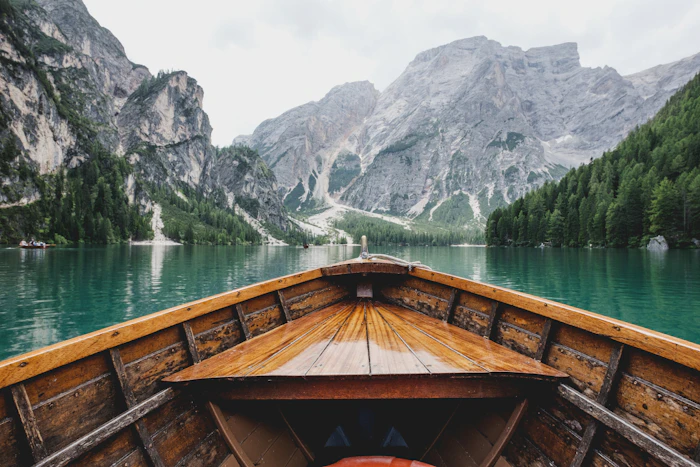

The Northern Cayos — Sea Kayaking in Clear Water
Cuba’s northern cayos are the places most international visitors come for beach holidays, and the kayaking available here is the most accessible on the island — almost every major resort offers sit-on-top kayaks as part of its water sports facilities. The quality of the sea conditions is what justifies their place on this list: shallow, glassy lagoons on the southern side of the cayos, excellent water clarity over healthy reef sections, and the particular quiet of being between islands with nothing but water and sky in every direction.
Cayo Guillermo has the best combination of beach quality and kayak-accessible reef. The sand bar that extends from Playa Pilar creates a shallow paddling area that’s genuinely striking — you can see the bottom at 4–5 metres depth without any optics. The mangrove channels on the cayo’s eastern side are worth exploring if your resort allows it — some restrict kayaks to the lagoon area for safety reasons, which is worth checking before you commit to this as a paddling destination. For context on the cayos generally, the Cayo Coco vs Cayo Guillermo comparison is worth reading before booking.
Cayo Santa María offers arguably the least crowded paddling on the cayos — the beach is longer, the resort density lower, and the mangrove channels on the southern side of the cayo involve some of the more interesting non-beach kayaking terrain available without a specialist guide. Wind exposure is the variable to manage: the exposed northern coast of any cayo can become genuinely challenging in winter trade winds, and afternoon winds make post-lunch paddling considerably harder than a morning session.
The snorkelling guide has significant overlap with cayo kayaking — the same sites often work for both, and combining a kayak transit with a snorkel stop is one of the better ways to structure a cayo morning.
Baracoa — Eastern Cuba’s River Kayaking
Baracoa is Cuba’s original city — founded in 1511, isolated by mountains until the 1960s, and retaining a cultural distinctiveness that sets it apart from anywhere else on the island. It also sits in the island’s wettest and most biodiverse region, surrounded by rivers that drain the El Yunque massif and the mountains of the Parque Nacional Alejandro de Humboldt. The Río Toa is Cuba’s most voluminous river and one of the last undammed rivers in the Caribbean — a serious piece of natural infrastructure that flows through primary rainforest before reaching the coast near Baracoa.
River kayaking on the Toa is available through local guides based in Baracoa — the tourism infrastructure here is less developed than Viñales or the cayos, which means you’re working with smaller operations, more variable equipment, and more authentic interactions. The Río Yumurí, accessible by boat from Baracoa and shorter than the Toa, offers a more contained river kayaking experience through a gorge with walls rising dramatically from the water. The Yumurí excursion is the more commonly offered tourist option and a good introduction to eastern Cuba’s river landscape without the full-day commitment of a Toa expedition.
Getting to Baracoa requires commitment — it’s roughly 230 km from Santiago de Cuba on roads that have improved but remain slow. Most independent travelers reach it via the Viazul bus from Santiago or by renting a car. Santiago de Cuba pairs well with Baracoa as an eastern Cuba itinerary, and both reward travelers willing to go further than the obvious circuit.
Trinidad Area — Coastal and River Paddling Near Cuba’s Best Colonial City
Trinidad is the colonial jewel of Cuba — cobblestone streets, intact 18th-century architecture, and a position between the mountains and the sea that means outdoor activities are available in every direction from the city centre. The kayaking opportunities cluster in two distinct zones.
Playa Ancón, 12 km from Trinidad’s centre, has the kind of Caribbean beach that earned Cuba its beach reputation — white sand, coral immediately offshore, calm waters. The small-scale tourism operations at Ancón offer kayak rentals and occasional guided excursions along the coast toward the mouth of the Río Agabama. The coastal paddling here is pleasant rather than spectacular — suitable for a relaxed half-day if you’re already based in Trinidad and want water time without a complicated expedition.
Topes de Collantes — the mountain nature reserve above Trinidad — has river and waterfall excursions where a section of river paddling can be integrated into hiking programmes. The Topes de Collantes hiking guide covers the full activity landscape; kayaking here is a complement to the hiking, not the main draw. The Trinidad travel guide has the full city context.
Cienfuegos Bay — Urban Kayaking with a Different Character
Cienfuegos — “The Pearl of the South” — sits on a bay that’s one of Cuba’s most dramatic: a wide, sheltered natural harbour surrounded by the Cienfuegos cityscape on one side and the Escambray mountains on the other. Kayaking on the bay itself is available from the marina and from a few operators near the Punta Gorda peninsula. The experience is different from anywhere else on this list — you’re paddling through a working Cuban cityscape, with the neoclassical architecture of the Paseo del Prado visible from the water and the occasional fishing boat crossing your path.
The bay also provides access to the coral reef structure at Playa Rancho Luna on the outer coast, about 18 km from the city centre. This stretch of coast has some of the better snorkel and sea kayaking conditions in central Cuba outside the cayos, with sheltered coves and reef accessible within paddling distance of the shore.
Cienfuegos kayaking is best treated as part of a broader visit to the city rather than as a standalone kayaking destination. The Trinidad vs Cienfuegos comparison helps with the broader itinerary decision if you’re choosing between these central Cuba destinations.
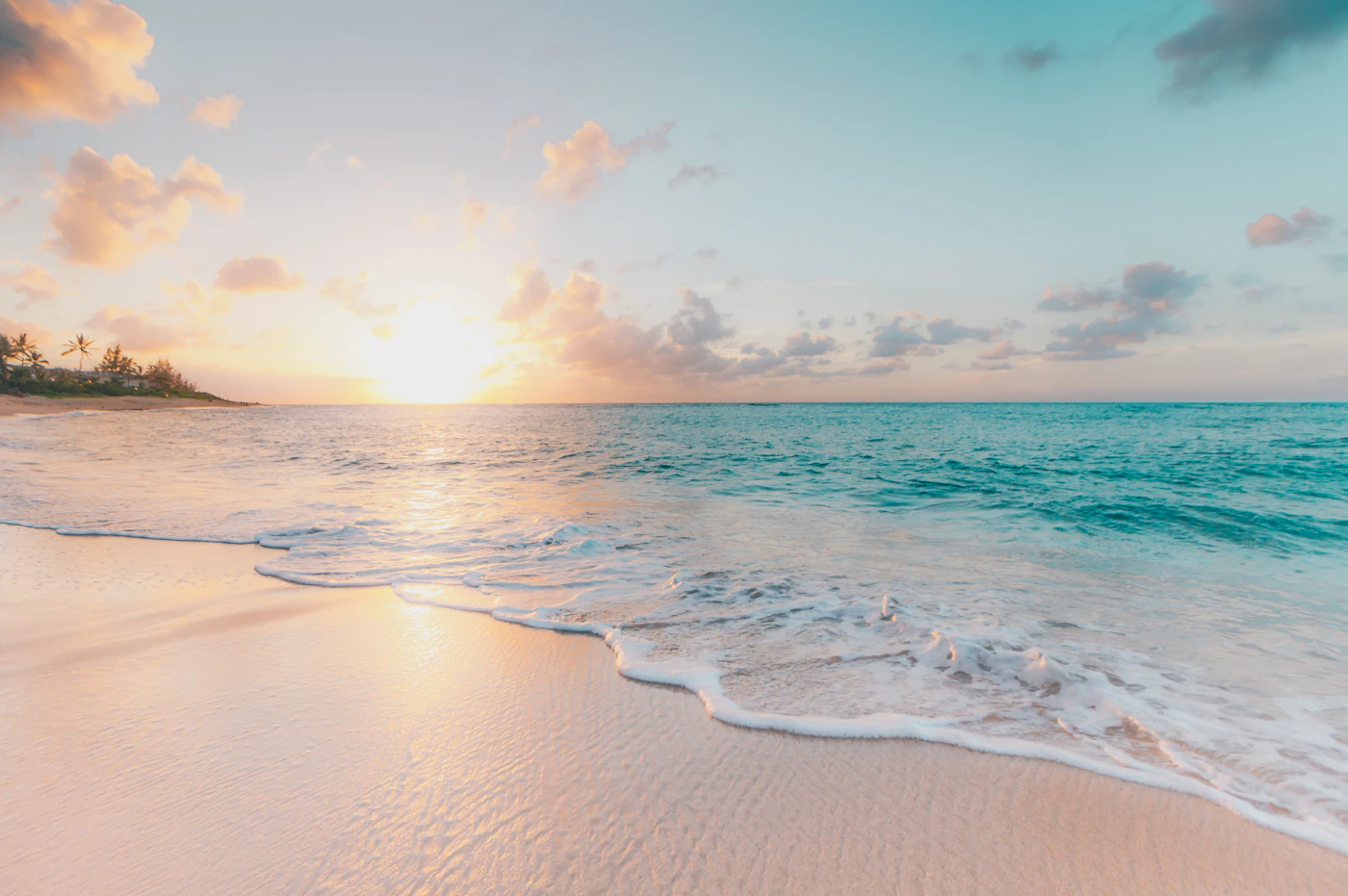
“The thing about kayaking in Cuba is that the country hasn’t turned its best paddling spots into a tourism product. That’s both an inconvenience and an advantage. The places that are inconvenient to reach are usually the ones worth reaching.”
Tour Operators & How to Book
State Operators — The Official Channels
Ecotur is the specialist state eco-tourism agency and the one with permits for the most sensitive natural areas — including flamingo kayaking in Zapata’s Laguna de las Salinas. Booking with Ecotur gives you access to zones that independent guides cannot legally enter. The trade-off is a more structured, less flexible experience. Ecotur can be booked through their Havana office or through authorised tour operators before you travel.
Cubanacan and Havanatur — the main state tour operators — offer packaged eco-excursions that include kayaking at Zapata, Viñales, and the cayos. These are more convenient for travellers who want everything arranged before arrival. Quality is consistent if not inspired; guides are knowledgeable about the ecology even if the paddling instruction is minimal.
Independent and Local Guides — The Better Experience
In Viñales, Baracoa, and around Trinidad, the best kayaking experiences come from local independent guides who operate outside the large tour operator system. Your casa particular host is almost always the best starting point — they know which guides are currently operating, which routes are accessible given current conditions, and what the realistic costs are rather than tourist-facing quotes. This network of informal recommendations is one of the genuine advantages of staying in casas rather than hotels when you’re pursuing active tourism in Cuba.
Asking in advance takes a little effort — a WhatsApp message to your casa host before you arrive, asking them to flag any recommended kayak guides in the area — can mean the difference between finding a genuinely knowledgeable local guide and spending a day navigating bureaucracy once you arrive. The basic Spanish guide is useful here: “¿Hay guías de kayak aquí?” (Are there kayak guides here?) will get you pointed in the right direction even in smaller towns.
Resort-Based Rentals
Every major beach resort — at Varadero, the cayos, and the larger Havana-area hotels with beach access — offers kayak rentals as part of the water sports facilities. Equipment is sit-on-top plastic kayaks in various states of maintenance. This is the easiest option and the least interesting one. It’s perfectly fine for a morning on the lagoon. It’s not what this guide is primarily for.
Cuba’s tourism operator landscape changes. Guides go in and out of official registration; state operations change their programme offerings; conditions at specific sites vary year to year. The Cuba travel news 2026 guide tracks the significant changes affecting tourists this year. Verify operator current status with your casa host or a recently-traveled contact rather than relying on information that may be 12+ months old.
The Gear Reality — What to Expect
Cuba is not a place with well-maintained touring kayaks, quality paddle gear, or the kind of equipment you’d find at an outfitter in Maine or the Scottish Highlands. This is not a criticism — it’s context that prevents a mismatch between expectation and experience.
Resort sit-on-tops are basic recreational kayaks in varying condition. Paddles are aluminium with generic plastic blades. PFDs (personal flotation devices) are available but may not be in great shape. For a morning of gentle paddling in a protected lagoon, this is entirely adequate.
Local guided tours — particularly in Zapata, Baracoa, and Viñales — typically use better-maintained equipment than resort pools because the activity is the product rather than a complimentary amenity. But “better” is relative. If you’re an experienced paddler accustomed to quality sea kayaks, you will notice the difference. If you’re a casual paddler who wants to experience Cuba’s natural waterways, you won’t much care.
Serious paddlers: Consider bringing your own paddle if you’re committed to quality stroke work. A carbon or fibreglass take-apart travel paddle packs down to carry-on size and transforms any rental boat into a more functional vessel. Your own PFD similarly adds both safety and comfort. The Cuba packing guide covers the carry-on constraints if you’re trying to bring additional gear.
What Kayaking in Cuba Costs
| Option | Location | Duration | Cost (per person) | Includes |
|---|---|---|---|---|
| Resort kayak rental | All beach resorts | Per hour | $8–20/hr | Basic sit-on-top, paddle (no guide) |
| Flamingo kayaking (Zapata) | Laguna de las Salinas | Half day | $35–55 | Specialist eco-guide, transport to site |
| Mangrove tour (Zapata) | Playa Larga / Girón | Half day | $25–40 | Guide, kayak, basic snorkel option |
| Cave river (Viñales) | Cueva del Indio | 2–3 hrs | $15–25 | Cave entry, short cave section, guide |
| Valley river (Viñales) | San Vicente area | Half day | $20–35 | Local guide, kayak on river section |
| Cayo sea kayaking (guided) | Cayo Coco / Guillermo | Half day | $30–50 | Guide, equipment, snorkel stop |
| Río Yumurí (Baracoa) | Near Baracoa | Half day | $25–40 | Boat/kayak combo, local guide |
| Río Toa full day (Baracoa) | Toa Valley | Full day | $45–65 | Specialist guide, lunch, full river section |
All prices are approximate and in USD. Cuba operates a cash economy — tour fees are almost always paid in cash. The cash in Cuba guide covers how to manage the money side. For budget-conscious travelers, the Cuba on $50 a day guide shows how kayaking and outdoor activities fit into the overall daily budget.
What to Bring for Kayaking in Cuba
The Cuban crocodile (Crocodylus rhombifer) and the American crocodile (Crocodylus acutus) both inhabit the Zapata wetlands. Guided tours operate in zones established as safe. Don’t paddle into unmarked channels, don’t swim in areas your guide hasn’t cleared, and don’t dismiss local warnings about specific water bodies as being over-cautious. This is not precautionary hyperbole — it’s the standard advice from Zapata’s protected area staff. Cuba’s general safety for tourists is good; specific wildlife awareness in protected areas requires specific attention.
Best Time to Kayak in Cuba
Cuba’s dry season (November–April) is the optimal window for kayaking across every destination on this list. Water temperatures are pleasant (25–28°C), wind conditions are generally calmer in the mornings before the trade winds build in the afternoon, and the risk of sudden weather deterioration is significantly lower than in the wet season.
The wet season (May–October) brings afternoon thunderstorms, higher humidity, and the genuine hurricane risk from August through October. Kayaking is still possible during wet season mornings — and in some areas like the Zapata mangroves, the post-rain water clarity can be exceptional — but planning around afternoon weather requires flexibility that isn’t always available with pre-booked tours.
For month-by-month weather data, the full guide has the detail. The off-season Cuba argument addresses why some travelers deliberately choose September despite the weather constraints — the crowd reduction and price drop can be significant for resort-based kayaking.
For river kayaking specifically: water levels matter. The Río Toa in Baracoa paddles better in the wetter months when water levels are higher. The Viñales cave river operates year-round but can be affected by drought conditions in particularly dry years. Check with local operators when you arrive rather than assuming published seasonal information is current.
