

Holguín vs Guardalavaca: Which Should You Base Yourself In, and Is the Question Even the Right One?
A city with real Cuban life versus a beach strip with genuinely good water. This guide compares them honestly on beaches, food, culture, activities, and cost — and tells you when you should stop comparing and just do both.

Holguín vs Guardalavaca: The Honest Head-to-Head
City life vs beach resort. Culture vs Caribbean water. Here’s the complete comparison and when to do both.
The question “Holguín or Guardalavaca?” turns up regularly when people plan their eastern Cuba itinerary, usually because they’ve booked flights into Frank País Airport (HOG) and noticed these are the two main options in the region. The framing — city versus beach, which one? — isn’t quite right, but it’s a useful starting point.
Holguín is Cuba’s fourth largest city and the provincial capital: parks, palimpsest streets, genuine local food scenes, cultural events, and a walkable city center that doesn’t perform for tourists. Guardalavaca is a beach resort area about 60 kilometers to the north, where some of Cuba’s best all-inclusive hotels sit behind stretches of white Caribbean sand that hold their own against anything in the region. One is undeniably more interesting as a destination in the Cuban sense; the other has considerably better water.
This guide runs the head-to-head comparison across six categories, gives you an honest tally, and then does what any good travel guide should do: tells you that most visitors with five or more days in the region should stop treating this as a choice and plan to do both. The city and the beach are an hour apart. They complement each other. The comparison is really about which one deserves more of your time — and that depends on who you are and what you’re after.
Jump to section
How These Two Places Actually Relate to Each Other
Holguín city sits in the center of Cuba’s Holguín Province, surrounded by low hills and sugar cane plains at about 130 meters above sea level. It has the feel of a mid-sized Cuban city that hasn’t been fully shaped by tourism: its seven city parks are genuinely used by residents rather than staged for visitors, its paladar scene is developing at a pace driven by local appetite rather than tour group itineraries, and its famous Loma de la Cruz — a hilltop cross with 465 steps and panoramic views across the city — is somewhere Holguineros climb on weekends rather than a ticketed attraction.
Guardalavaca is about 60 kilometers north, on the northeastern coast. It’s actually a cluster of three beaches — Playa Guardalavaca, Playa Esmeralda, and Playa Pesquero — along a 20-kilometer coastal strip that has developed differently from Cuba’s other major resort zones. Where Varadero has one long uniform beach strip, Guardalavaca has multiple distinct bay beaches, smaller hotel complexes (by Caribbean standards), and a more fragmented layout that makes it feel less like a resort factory and more like a series of beach communities with a few large hotels mixed in. The complete Guardalavaca beach review goes through each one in detail.
Frank País International Airport (HOG) sits just outside Holguín city and serves both destinations. Direct international flights arrive from Canada, the UK, and Germany, primarily serving the resort market. The transfer to Guardalavaca takes 60–75 minutes; to the city center, 15–20 minutes. Most package holiday travelers go directly from HOG to Guardalavaca and never see Holguín. Most independent travelers who base in Holguín do the beach as a day trip. The best approach — given the hour’s distance — is to plan for time in both.
Holguín is a city that happens to be an hour from great beaches. Guardalavaca is a beach that happens to be an hour from a genuinely interesting city. The framing changes what you notice.
Compare this with the classic Holguín-Santiago tension on a longer eastern Cuba trip: the Holguín vs Santiago de Cuba comparison is actually a harder choice, since both are cities and you have to pick one as a base. Holguín vs Guardalavaca is easier: they’re different things, and the default answer for anyone with five or more days is both.
Round 1: Beaches
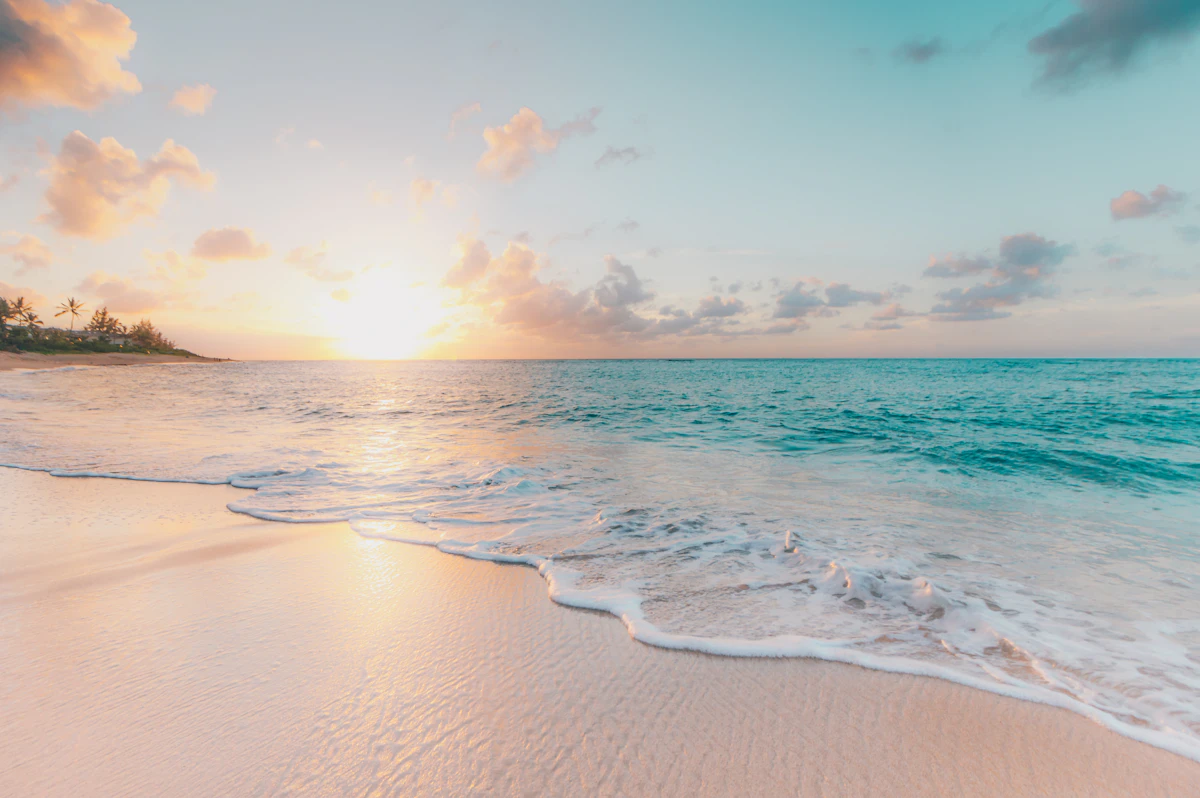
This round has only one winner. Holguín doesn’t have beaches. Guardalavaca has three of them, and they’re among the best on the island’s northern coast. The 15 best beaches in Cuba lists Playa Esmeralda and Playa Pesquero consistently. For anyone whose trip is primarily about Caribbean water, Guardalavaca wins the destination comparison by default and isn’t close.
What makes Guardalavaca’s beaches particularly strong is their water clarity. The northeast coast gets more open-ocean water exchange than the shallower waters around Varadero, and the coral reef system off Playa Esmeralda and the nearby dive sites ranks among the better ones in the country. The reef health here has benefited from the area’s smaller tourist footprint compared to the north coast cays.
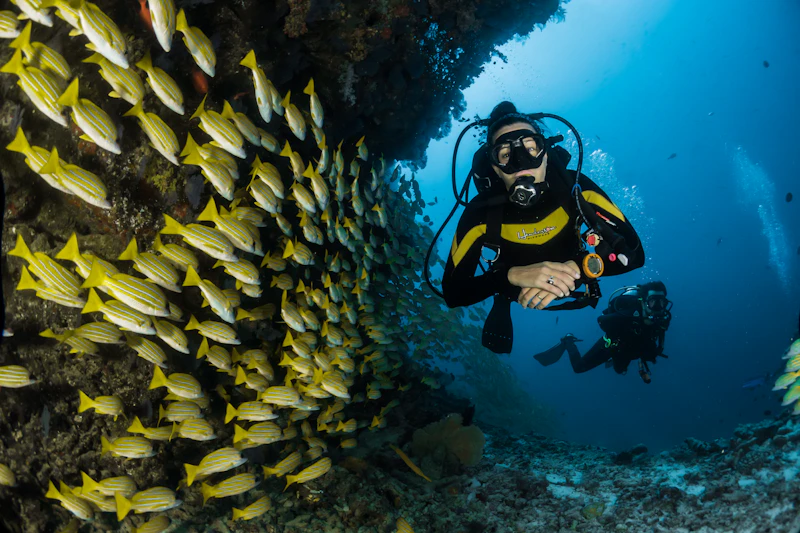
The dive sites off the Guardalavaca coast include the Corona de Lucía reef, wall diving at 20–30 meters depth, and several wreck dives near shore. Eagle rays appear on some of the deeper sites; sea turtles are resident on the shallower reefs. Deep-sea fishing from Guardalavaca is also excellent — marlin and dorado are the primary catches in season. If water activities are what you’re optimizing for, Guardalavaca’s coast is one of Cuba’s strongest options outside the northern cays.
Round 2: Culture, City Life, and Authentic Cuba
Holguín wins this round easily. For travelers who want the Cuban cultural experience — walking unmarked streets, sitting in a park without being approached by anyone selling anything, eating in a paladar where the other tables are Holguineros rather than tourists — the city delivers in a way that few Cuban destinations outside Havana and Trinidad can.
Two specific notes: the Chorro de Maíta burial site near Guardalavaca is genuinely worth visiting. It’s Cuba’s largest pre-Columbian cemetery, discovered in the 1980s, with 108 burial sites excavated on site and an interpretive museum. If you’re based in Guardalavaca, it should be on the list. But it’s a day trip within the Guardalavaca area, not a reason to choose Guardalavaca as a cultural base.
Holguín also has a legitimate nightlife and music scene. Casa de la Trova, the traditional music venue found in most Cuban cities, is particularly active here. The Fiesta de la Cultura Iberoamericana — a major Latin American cultural festival — runs in Holguín every October, drawing performers and visitors from across the continent. If your trip overlaps with it, it changes the calculus: Holguín in October is not the same city as Holguín in February.
Round 3: Food and Where to Eat
Holguín wins this clearly. All-inclusive dining has its convenience argument, but if you care about eating well in Cuba, a city with an active paladar scene beats a resort strip by default. Eastern Cuba’s food is actually distinctive — the province has a stronger indigenous and Spanish colonial culinary heritage than Havana, and the freshwater and saltwater fish available in local restaurants here are excellent. For the full picture of Cuban food, Holguín’s paladar circuit is one of the better places to explore it outside the capital.
One practical note for travelers committed to Guardalavaca: some of the resort complexes now allow day visitors at their restaurants for a fixed price. If you’re staying independently (casa particular or smaller hotel outside the all-inclusive system) in the Guardalavaca area, this is worth investigating. It’s not food tourism, but it solves the “where do I eat” problem when beach options are limited.

Round 4: Activities and Day Trips
This one genuinely is a tie, because both destinations have real activity options in different categories. Holguín’s activities are land-based and culturally driven; Guardalavaca’s are water-based and nature-driven. Neither set is obviously superior — it depends entirely on what you want to do.
The day trip from Guardalavaca to Holguín city is worth building in regardless of where you’re based. The drive takes about an hour and passes through agricultural countryside that gives you a better sense of the province than the beach resort zone does. Going the other way — day trip from Holguín to the beach — is equally standard and works on either schedule.
One underappreciated day trip from either base: Gibara. This small fishing town on the coast north of Holguín was the location for the Cine Pobre (“Poor Cinema”) festival and has a notable film and cultural history, a working fishing port, and significantly fewer tourists than Guardalavaca. Among the hidden gems of eastern Cuba, Gibara is one that rewards the detour.
Round 5: Accommodation Options and Value
The accommodation comparison is a genuine tie because the right answer depends entirely on your travel style. If you’re an all-inclusive traveler who wants everything on one bill and beach access from your room, Guardalavaca delivers that cleanly. If you travel independently, prefer casa particulares, and want accommodation that doesn’t double as a buffet arrangement, Holguín is the better base by some distance.
The all-inclusive vs independent travel comparison applies here more directly than in most Cuban destination questions, because Guardalavaca is almost entirely all-inclusive infrastructure while Holguín is almost entirely independent-friendly. The budget vs luxury resort question within Guardalavaca is worth investigating if you’re going the all-inclusive route — the gap between a 3-star and 5-star property here is more significant than at Varadero.
| Accommodation Type | Holguín | Guardalavaca | Notes |
|---|---|---|---|
| Budget (<$35/night) | ✓ Many casas | ✗ Limited | Holguín wins at budget level |
| Mid-range ($35–80) | ✓ Good options | Limited outside resort | Independent hotels in both |
| All-inclusive resorts | ✗ None | ✓ Dominant format | Guardalavaca’s core offering |
| 5-star resort | ✗ None | ✓ Iberostar Esmeralda etc. | Some of Cuba’s best resort hotels |
| Casa particular | ✓ Excellent | Limited | City casas are a stronger experience |
The Scorecard and Who Should Choose Which
Holguín edges the comparison on points — but that’s slightly misleading, because the category where Guardalavaca wins outright (beaches) is the one most package holiday travelers are specifically booking for. If the reason you’re going to eastern Cuba is Caribbean water and sand, Guardalavaca is the right base and Holguín is the day trip.
Choose Holguín if you…
- Want to experience a Cuban city rather than a resort zone
- Travel independently and prefer casas to all-inclusives
- Are interested in culture, music, local food, and city life
- Are using Holguín as a base for exploring eastern Cuba (Santiago, Baracoa, Gibara)
- Are on a tighter budget and want to eat in paladares rather than pay resort prices
- Are traveling as a solo traveler or backpacker
Choose Guardalavaca if you…
- Are primarily on a beach holiday and want to maximize water time
- Travel with a package that includes resort accommodation
- Are going with young children who need calm swimming conditions and hotel facilities
- Want to dive or snorkel seriously
- Are planning a honeymoon or romantic beach trip
- Prefer the all-inclusive format for simplicity
The real answer for most people: do both
Given that Frank País Airport serves both, and they’re an hour apart, the question of “which one” shouldn’t arise for anyone with five or more days in eastern Cuba. The sensible template: land at HOG, transfer to Holguín city for 2 nights (explore the city, eat in paladares, climb Loma de la Cruz), then transfer to Guardalavaca for 3–4 nights (beach, diving, day trips, Chorro de Maíta). Or reverse the order. This is what the 9-day Cuba itinerary and the 15-day Cuba route both recommend for eastern Cuba stays.
A private taxi between Holguín city and Guardalavaca costs $25–35 for the car (one way). The journey is about an hour on a reasonable road. Viazul doesn’t connect them directly — it stops in Holguín city but not at the beaches. For the Guardalavaca to Holguín run, the resort tour desk can arrange transfers as day trips, or negotiate a taxi directly for the same or lower price. The road is straight and flat. Getting around Cuba in this region is primarily by private taxi.
📋 Eastern Cuba (Holguín + Guardalavaca) Pre-Trip Checklist
- Get your Cuba visa and tourist card sorted before flying
- Book flights to HOG — direct routes from Canada, UK, Germany
- US travelers: confirm OFAC category
- Get Cuba-valid travel insurance — compulsory at entry
- Bring sufficient cash in USD, EUR, or CAD
- Book Holguín casa particular in Parque Calixto García area
- Book Guardalavaca resort or casa in advance — books out early in peak season
- Arrange HOG-to-city transfer in advance
- City to Guardalavaca taxi: $25–35, negotiate before you go
- Pack full beach kit: reef-safe sunscreen, snorkel gear, dry bag
- Bring binoculars — eastern Cuba has excellent birdwatching
- Download offline maps — internet in Cuba is unreliable
- Book diving at the Guardalavaca dive center in advance if diving is priority
- Plan Chorro de Maíta visit from Guardalavaca (half-day is enough)
- Read the full Cuba travel checklist for everything else
- Check Cuba travel news 2026 for any current situation updates
Frequently Asked Questions
The honest recommendation
If someone has to pick just one: the beach wins for anyone flying in for a set package holiday with limited flexibility. The Guardalavaca coast is genuinely beautiful, the diving is good, and a week at Playa Esmeralda is a perfectly complete beach holiday. Nothing is missing from the water experience.
But if there’s flexibility in the itinerary, the pairing works better than either alone. Holguín for two nights delivers something no resort can replicate: the ordinary rhythm of a Cuban city that isn’t performing for you, food that costs what Cuban food actually costs, and a hilltop view of the whole province that puts the geography in perspective. Guardalavaca delivers the Caribbean water experience that most of eastern Cuba’s visitors came for. Together, they make a more honest version of what Cuba actually is — a country with both a genuine culture and an extraordinary coastline.
Plan for both. The hour between them is one of the easier drives in Cuba.
